Sixteen military veterans will commence their appointments as dedicated wardens across eight MARA Junior Science Colleges (MRSMs) on July 1, 2026, in what represents a significant escalation of efforts to fortify institutional discipline and curtail bullying within Malaysia's premier boarding schools. The expansion follows a successful pilot programme conducted at MRSM Besut and MRSM Balik Pulau, which commenced in October 2025, demonstrating the viability of deploying former armed forces personnel in residential oversight roles.
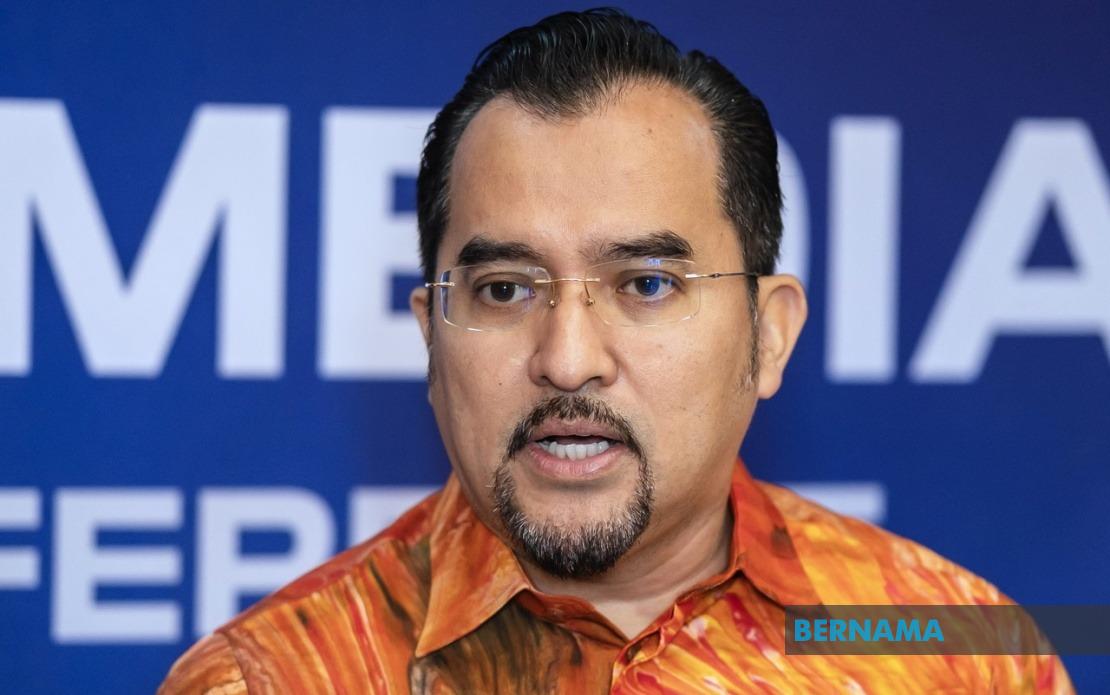
Mara Chairman Datuk Dr Asyraf Wajdi Dusuki articulated the strategic rationale behind the initiative, emphasising that the deployment of retired military professionals would serve as a stabilising force within student dormitories. The appointment cycle reflects a deliberate, phased approach rather than a rushed implementation—a methodological choice intended to ensure quality and appropriateness of placements across Malaysia's 58 MRSMs eventually. The broader rollout will incorporate all institutions in stages, with subsequent phases scheduled for January 2027, signalling institutional commitment to systematic institutional reform.
The current phase encompasses 32 wardens distributed across the eight participating colleges, with each institution receiving two male and two female supervisors. The gender-balanced staffing model acknowledges contemporary safeguarding best practices and ensures representatives capable of addressing diverse student welfare concerns. Male wardens will transition into their posts during the initial July launch, while female appointments will follow subject to completion of equivalent evaluation procedures, with 162 women having submitted applications for consideration.
The recruitment framework reflects extraordinarily rigorous vetting standards, departing substantially from conventional hiring norms within educational administration. Candidates undergo sequential screening administered jointly by Glokal Link Sdn Bhd, a MARA subsidiary, in collaboration with the Veterans Affairs Department (JHEV), TalentCorp, the MARA Secondary Education Division, and the Malaysian Armed Forces Psychology and Counselling Section. This multi-agency approach distributes responsibility and introduces multiple checkpoints designed to prevent unsuitable individuals from accessing positions involving unsupervised contact with minors.
Physical interviews conducted on June 15 and 16 at MARA's Higher Skills Institute in Kepong examined 147 candidates, predominantly comprising 139 male applicants who had progressed through preliminary screening administered by JHEV and TalentCorp. The selection process explicitly restricts consideration to formally recognised military veterans who honourably completed their service obligations and were not dismissed due to misconduct, serious disciplinary violations, or criminal convictions that would compromise their standing as veterans. This gatekeeping function ensures baseline character assessment before candidates advance to subsequent evaluation phases.
The assessment battery employed during selection extends considerably beyond conventional interviews, incorporating psychometric evaluation through MyNext OCEAN and RIASEC testing, military-specific psychological assessments, mental health screening, body mass index evaluation, cardiovascular fitness testing via bleep protocols, and multi-panel interviews conducted by representatives from collaborating agencies. This comprehensive evaluation architecture acknowledges the sensitive nature of warden responsibilities and reflects institutional determination to identify individuals demonstrating not merely military background but psychological suitability for nurturing roles involving adolescents. Such thoroughness represents recognition that former military credentials alone do not guarantee capacity for empathy-based residential supervision.
An additional layer of screening incorporates verification of veteran status, criminal history checks conducted by the Royal Malaysia Police (PDRM), and cross-referencing against the child sexual offenders registry—measures that situate the MRSM warden programme within broader child protection frameworks increasingly prevalent across Southeast Asian institutions. Final psychological evaluations administered by Malaysian Armed Forces specialists specifically target risk factors potentially undermining student safety, including impulse control assessment, evaluation of boundary-setting capacity between wardens and students, and analysis of candidates' psychological suitability for hostel environments characterised by close proximity and authority relationships.
Datuk Dr Asyraf Wajdi underscored that appointment letters remain contingent upon satisfactory completion of all screening components, with no offer extended before comprehensive vetting concludes. This procedural framework explicitly rejects expedited appointment practices that might compromise thoroughness for administrative convenience. The emphasis on integrity and lawful compliance reflects heightened public scrutiny surrounding institutional safeguarding, particularly following various disciplinary incidents reported at Malaysian boarding schools over preceding years. Parent communities and educational stakeholders have increasingly demanded transparent, evidence-based appointment processes for personnel exercising authority over residential student populations.
The initiative addresses longstanding concerns regarding bullying and disciplinary lapses within MRSM environments, institutional issues that have periodically featured in media reporting and parental advocacy campaigns. Armed forces veterans, theoretically positioned to establish structured routines and model discipline through their military training experience, represent one approach to addressing these systemic challenges. However, the extensive psychological screening undertaken reflects institutional awareness that military background, whilst providing valuable structural competencies, requires complementation through demonstrated emotional intelligence, child safeguarding awareness, and psychological resilience.
The staged expansion framework extending to all 58 MRSMs by phases suggests institutional learning embedded within the deployment strategy. Rather than attempting simultaneous nationwide implementation, MARA's incremental approach permits assessment of programme effectiveness, identification of operational challenges, and refinement of protocols before broader scaling. This evolutionary implementation model aligns with contemporary best practices in institutional change management, particularly relevant within educational contexts where disruption must be minimised and stakeholder confidence carefully cultivated.
For Malaysian parents and students, this initiative signals administrative responsiveness to residential safety concerns whilst demonstrating commitment to evidence-based personnel selection. The involvement of military psychology specialists and PDRM screening represents institutional acknowledgment that protecting adolescents requires multidisciplinary expertise extending beyond traditional educational administration. Regionally, the MRSM warden programme may serve as a prototype for other Southeast Asian boarding school systems seeking to strengthen residential supervision whilst maintaining rigorous safeguarding standards.
The appointment cycle commencing July 1 will provide practical indicators regarding implementation effectiveness, wardens' adaptation to educational environments, and measurable changes in disciplinary metrics and student wellbeing indicators. Subsequent phases scheduled for January 2027 will incorporate lessons derived from these initial appointments, allowing programme refinement before expansion to additional institutions. The institutional commitment to completing all screening before finalisation of appointments reflects recognition that public confidence in the initiative depends substantially upon transparent, methodical deployment processes rather than merely the veterans' credentials themselves.

