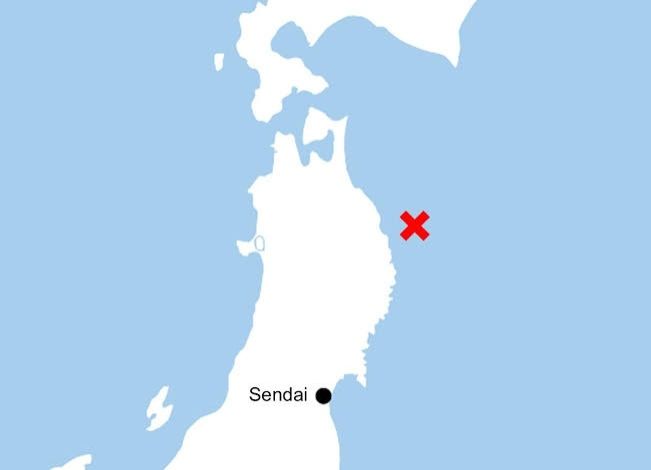
A significant 7.2-magnitude earthquake jolted northern Japan on Thursday morning, rattling communities across a wide region but causing only minor property disturbances and no reported injuries. The seismic event occurred offshore from Iwate prefecture on Honshu's eastern coast at 7:30 am local time, with tremors reaching as far as Tokyo, several hundred kilometres away. The Japan Meteorological Agency initially recorded the magnitude at 6.9 before upgrading the measurement to 7.2, locating the epicentre at a depth of 44 kilometres below the seafloor. Authorities did not issue a tsunami warning following the event, allowing residents to return to their normal routines without the additional concern of sea-level hazards.
While the quake's strength generated considerable alarm among residents, eyewitness accounts painted a picture of disruption rather than disaster. Mutsumi Shimohata, a 61-year-old employee at a food processing company in nearby Hashikami in Aomori prefecture, described receiving a smartphone alert moments after the shaking began. The tremor lasted long enough to unsettle her, though her home sustained only cosmetic damage—a picture frame toppled from its place. Her workplace experienced more substantial if still manageable consequences: the building's automatic door mechanism failed and portions of ceiling material collapsed, prompting management to order all staff to remain home on standby pending safety assessments. This pattern of minor damage repeated across the affected area, with kitchen cabinets spilling their contents and shop shelves surrendering goods to gravity in scenes captured by Japanese television cameras.
The broader impact on daily life revealed the resilience of Japan's infrastructure and emergency systems. Shinkansen bullet train services experienced interruptions in certain corridors, reflecting the transportation network's sensitivity to seismic disturbance. A primary school in Hashikami closed temporarily as a precautionary measure following the quake. The fire departments in Hashikami and the nearby city of Hachinohe fielded at least four emergency calls, including reports of people trapped within a lift and several instances of stuck doors. A tanker truck overturned, though reports did not specify the extent of spillage or environmental consequence. Television footage of Hachinohe showed traffic proceeding normally with traffic lights operating as intended, underlining how quickly conditions returned to baseline functioning.
Japan's sophisticated earthquake intensity measurement system provided precise documentation of the shaking's severity across different locations. In Aomori prefecture, the tremor registered at the upper end of the six-level on Japan's seven-point Shindo intensity scale, a classification indicating that unsecured standing became difficult or impossible, furniture topple risks increased substantially, and window breakage was likely. According to JMA guidelines, individuals at this intensity level may find themselves thrown off their feet despite attempting to maintain balance. Such conditions create particular hazards in workplace and school environments where crowds of people occupy confined spaces. The measured response from authorities reflected understanding of these risks: Prime Minister Sanae Takaichi directed all government ministries and agencies to coordinate with prefectural authorities while publicly urging residents in heavily shaken areas to remain vigilant for possible aftershocks of comparable magnitude.
Japan's position within the Pacific Ring of Fire creates the geological conditions that make such seismic events routine rather than exceptional within the archipelago's experience. Situated atop four major tectonic plates where the Pacific plate subducts beneath the continental plate, the island nation ranks among the world's most seismically active regions. The country's 125 million inhabitants typically endure hundreds of earthquakes annually, with Japanese territory accounting for approximately 18 percent of all seismic activity recorded globally. Most of these events cause no discernible disruption, yet Japan's earthquake history carries profound cautionary lessons about the potential consequences when major fault ruptures do occur near populated areas.
The psychological and institutional memory of catastrophic seismic disaster continues to shape Japan's approach to earthquake preparedness and response. The 2011 Tohoku earthquake, measuring 9.0 magnitude and originating beneath the seafloor, unleashed a tsunami that killed or left missing approximately 18,500 people while simultaneously destroying the Fukushima Daiichi nuclear facility, creating lasting environmental and public health concerns. That disaster, now more than a decade past, continues to inform how Japanese authorities assess and communicate about earthquake risk. More recently, on April 20 of this year, a 7.7-magnitude tremor struck Japan's north-central region, injuring at least 10 people and producing strong shaking even in Tokyo. That April earthquake prompted officials to issue a special advisory warning of heightened risk for earthquakes reaching magnitude 8.0 or greater, a cautionary message maintained for one week before being withdrawn.
The absence of significant damage or casualties from Thursday's earthquake reflects multiple intersecting factors beyond simple geological luck. Japan's stringent building codes, developed through decades of earthquake engineering research and refined after each major disaster, require structures to withstand considerable lateral forces and vertical accelerations. Advanced warning systems that transmit alerts to smartphones and emergency services within seconds of seismic detection allow people to take protective actions before strong shaking arrives. Regular public education campaigns ensure that most Japanese citizens understand basic earthquake safety protocols such as taking shelter under sturdy furniture or against load-bearing walls. Nuclear regulatory authorities maintain continuous monitoring of all facilities, and Thursday's earthquake triggered no abnormalities at regional nuclear power stations, confirming that safety systems functioned as designed.
Thursday's seismic event carries implications extending beyond Japan itself to other densely populated regions along the Pacific Ring of Fire where comparable geological hazards exist. Southeast Asian nations including Indonesia, the Philippines, and Malaysia experience their own earthquake risks, though typically less frequently than Japan. The manner in which Japan's emergency management and building standards mitigated potential harm offers instructive precedent for other countries facing similar tectonic hazards. Government spokesman Minoru Kihara confirmed that as of official reporting time, no human casualties had been documented, while authorities committed to continued monitoring and damage assessment in the hours following the event. Prime Minister Takaichi's public reminder that residents remain alert for additional earthquakes demonstrates how even in a seismically sophisticated nation, maintaining public vigilance represents an ongoing necessity rather than a temporary response to exceptional circumstances.

