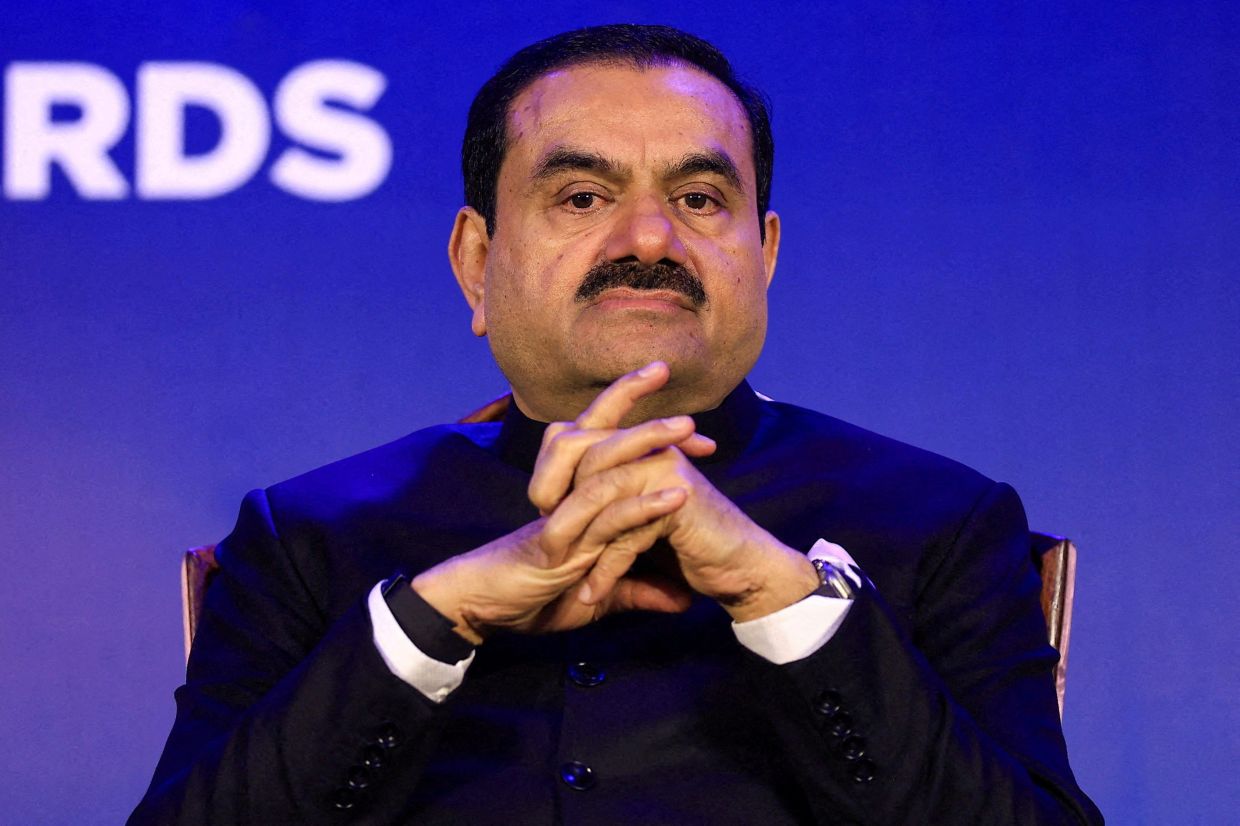
The legal battle surrounding Indian billionaire Gautam Adani has entered a new phase, with his defence team formally petitioning a Brooklyn federal judge to cancel all remaining criminal charges against him. The request, filed on Wednesday (June 24), comes after the US Department of Justice announced last month that it would cease pursuing the prosecution—a dramatic reversal that has significant implications for one of the world's most prominent business leaders and India's corporate landscape.
Adani faced serious allegations dating to 2024 when US prosecutors charged him with orchestrating a bribery scheme targeting Indian government officials. According to the charges, the objective was securing approval for a solar energy project through one of his subsidiaries. Compounding these allegations, prosecutors claimed Adani then deceived American investors by misrepresenting his company's commitment to anti-corruption safeguards and ethical business conduct. The charges struck at the heart of investor confidence in transparency and governance within the Adani Group, one of India's largest conglomerates with substantial international exposure.
Adani's lead counsel, Robert Giuffra, submitted the dismissal request to US District Judge Nicholas Garaufis, advancing two principal legal arguments. First, Giuffra contended that the federal court lacked proper jurisdiction because the alleged wrongdoing occurred in India and fell outside the legitimate scope of American legal authority. Second, he argued that the prosecution would struggle to substantiate the bribery allegations beyond reasonable doubt, particularly given the jurisdictional complexities of prosecuting crimes allegedly committed abroad. These arguments reflect a common defence strategy when challenging US criminal cases involving overseas conduct.
The Adani Group has consistently and firmly maintained its innocence throughout the proceedings, rejecting all allegations of impropriety. This steadfast denial has become a cornerstone of the company's public communications and legal defence strategy, signalling to stakeholders, investors, and the Indian government that leadership views the charges as baseless and the prosecution as misguided. The group's unified response reflects the high stakes involved—not merely for the business empire itself, but for Adani's personal reputation and his standing within Indian industry and politics.
A critical factor in this unfolding situation is that Judge Garaufis retains authority to approve or reject the dismissal request. While the Justice Department's decision to drop the case suggests prosecutorial confidence that conviction would be unattainable, judicial approval of the dismissal is not automatic. The judge must evaluate whether the government's decision to abandon prosecution serves the interests of justice and whether legal grounds exist to formally terminate the charges. This final approval step adds an element of uncertainty, though such judicial rejection of dismissal motions is relatively uncommon in circumstances where prosecutors themselves have withdrawn from the case.
According to Giuffra's correspondence with the court, the Justice Department's decision emerged only after extended periods of negotiation, detailed discussions, and multiple meetings between government prosecutors and the legal representatives of Adani and his co-defendants. These interactions suggest a methodical reassessment of the prosecution's viability and merit, indicating that prosecutors likely concluded that conviction was problematic or that diplomatic and legal considerations favoured withdrawal. The timeline and nature of these discussions underscore the complexity and sensitivity surrounding the case within government circles.
Beyond the criminal proceedings, Giuffra has also requested that Judge Garaufis formally vacate the civil charges initiated by the US Securities and Exchange Commission. This request followed a settlement in which Adani committed to paying US$6 million in penalties, while his nephew Sagar Adani agreed to pay US$12 million. The SEC settlement, while imposing financial consequences, represented a resolution that did not require either defendant to admit wrongdoing or liability—a favourable outcome often termed a "without admission of guilt" settlement. Removing the formal civil charges would provide additional closure and vindication for the defendants.
Parallel to these criminal and SEC matters, the Adani Group confronted additional regulatory obligations in the United States. Adani Enterprises Limited separately negotiated a settlement with the US Treasury Department to address allegations that the company violated American sanctions laws pertaining to Iran. Under this separate agreement, Adani Enterprises consented to remit US$275 million to federal coffers, substantially exceeding the SEC settlements. This sanctions violation settlement, though significant in financial terms, reflects a separate dimension of scrutiny that American authorities had directed toward Adani's corporate operations and their compliance with US foreign policy restrictions.
The cascade of legal and financial resolutions unfolding across multiple US regulatory and prosecutorial bodies illustrates both the scale of scrutiny the Adani Group faced and the determination of leadership to resolve outstanding disputes. For Malaysian and Southeast Asian business observers, the Adani situation offers instructive lessons about the reach of US legal jurisdiction over international business activities, the importance of rigorous compliance frameworks, and the reputational costs of regulatory entanglement. The high visibility of Adani's legal challenges has already prompted regional companies and investors to reassess their own governance standards and American exposure.
For India's broader investment climate, the trajectory of Adani's case matters considerably. As one of India's pre-eminent industrial groups with operations spanning ports, energy, infrastructure, and financial services, any sustained reputational damage at Adani reverberates through confidence in Indian business governance more generally. International investors scrutinise how India's government and regulatory agencies respond to corporate misconduct allegations, and the resolution of the Adani matter will influence perceptions of Indian institutional credibility. The Justice Department's decision to withdraw prosecution potentially strengthens Adani's position domestically and may attenuate lingering investor concerns, though the settlements with US agencies demonstrate that some regulatory accountability did attach to the group.
The formal dismissal, if approved by Judge Garaufis, would represent a substantial vindication for Adani and mark a turning point in a bruising series of legal engagements. However, the financial settlements already executed and the underlying compliance issues exposed through investigation suggest that the business environment surrounding Adani operations will remain subject to heightened regulatory attention from multiple jurisdictions. The resolution trajectory—from criminal charges toward dismissal while accepting financial settlements on ancillary matters—creates a mixed outcome that neither fully exonerates nor thoroughly penalises the defendants, reflecting the genuine complexity and contested legal theories that evidently characterised prosecutors' evaluation of viable charges.

