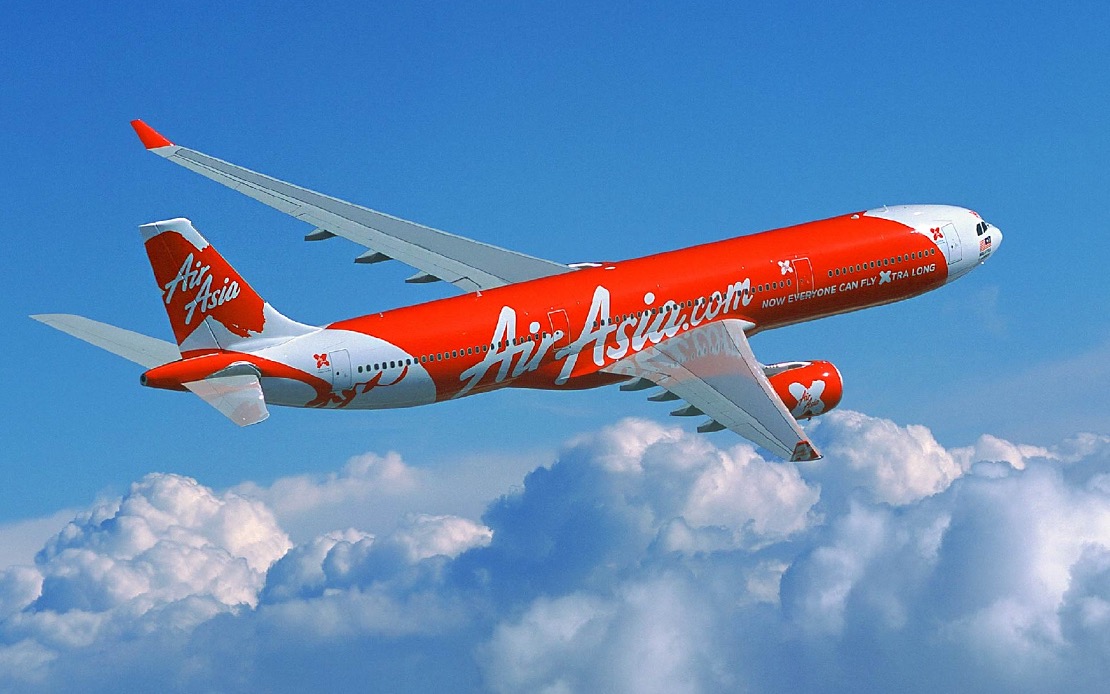
AirAsia has commenced operations on a new direct route connecting Jakarta with Kota Bharu, marking a significant development in Malaysia's push to strengthen regional air connectivity and bolster tourism arrivals from Indonesia. The inaugural service, designated flight AK2354 and operated by a 180-seat Airbus A320 aircraft, touched down at Sultan Ismail Petra Airport on Tuesday afternoon, carrying 117 passengers and achieving an initial load factor of approximately 63 per cent. The milestone represents more than a mere addition to flight schedules; it reflects a strategic effort to position Kelantan as an accessible gateway for the neighbouring Indonesian market and capitalise on the momentum of the Visit Malaysia 2026 campaign.
Indonesia stands as one of Malaysia's most valuable tourism source markets, and this direct air link eliminates the need for transfers through larger hubs, thereby reducing travel friction and encouraging spontaneous tourism decision-making. Passengers on the inaugural flight included travellers from Indonesia, Thailand, the Philippines and several other nations, alongside Malaysians returning home, demonstrating the route's potential to serve multiple customer segments. The diverse passenger mix on day one underscores how new regional connections can catalyse movement across borders and support the broader ecosystem of Southeast Asian travel.
Tourism Malaysia's leadership views the Jakarta-Kota Bharu service as instrumental in realising the Visit Malaysia 2026 objectives, which emphasise connectivity and accessibility for regional visitors. According to the Tourism Malaysia director-general Mohd Amirul Rizal Abdul Rahim, the new route addresses a critical gap in Malaysia's regional infrastructure by offering easier access to Kelantan's distinctive cultural, heritage and ecological offerings. This positioning is particularly relevant because international market research consistently shows that accessibility—measured in flight convenience, travel time and cost—significantly influences visitor choice of destination. By removing intermediary connections, AirAsia's service directly addresses one of the primary barriers that prospective Indonesian visitors face when considering a Kelantan sojourn.
Kelantan's tourism potential extends well beyond conventional leisure attractions. The state possesses a rich tapestry of cultural landmarks and natural wonders that appeal to increasingly discerning regional travellers. Iconic venues such as Pasar Siti Khadijah, the historic Kampung Laut Mosque, the artisanal hub at Kampung Kraftangan and the geological formations of Stong Geopark represent the kind of distinctive experiences that differentiate Kelantan from competing destinations. Kelantan Tourism director Azwan Ab Rahman emphasised that the Jakarta connection would elevate awareness of these attractions among Indonesian travellers whilst positioning Kota Bharu as a valuable transit point for onward journeys into southern Thailand and the East Coast's resort island networks. This positioning strategy recognises that many regional visitors follow multi-country itineraries, and Kelantan's location makes it a logical entry or pivot point.
The health tourism dimension merits particular attention, as it represents a rapidly growing and high-value segment of the regional tourism economy. Medical tourism from Indonesia to Malaysia has expanded substantially over recent years, driven by Malaysia's reputation for quality healthcare, competitive pricing and customer service. The new route facilitates easier access for Indonesian patients and their accompanying family members seeking treatments ranging from routine procedures to specialist interventions. Tourism Malaysia's officials noted that this service will strengthen people-to-people connections between the nations whilst supporting the expansion of medical tourism—a sector that generates substantial economic returns whilst addressing real healthcare needs across the region.
AirAsia's commitment to serving underutilised routes reflects a deliberate strategic approach to unlocking economic potential in secondary cities and regional centres. General Manager Datuk Captain Fareh Mazputra articulated the airline's philosophy of connecting overlooked destinations with major regional hubs to catalyse development opportunities. This approach differs markedly from purely route-profit maximisation strategies, and instead prioritises ecosystem development—the notion that improved connectivity attracts business investment, tourism growth and trade expansion in ways that ultimately benefit all stakeholders. For Kelantan specifically, the arrival of direct international service enhances the state's competitive positioning within Malaysia's tourism landscape and signals confidence in its medium-to-long-term potential.
The broader aviation context reveals intensive capacity development between Malaysia and Indonesia. As of April 2026, some 634 weekly flights operate between the two nations, collectively offering over 114,806 seats per week. The Jakarta-Kota Bharu addition represents an incremental but symbolic enhancement to this connectivity web, addressing a specific geographic pairing previously served only through connecting services. This data underscores how Malaysia-Indonesia tourism is underpinned by substantial air infrastructure investment and growing demand for seamless travel between the countries. The addition of frequency and direct routing into secondary cities like Kota Bharu demonstrates that both market and supply-side actors recognise opportunities beyond the Jakarta-Kuala Lumpur corridor.
For Malaysian policymakers and regional observers, this development embodies broader patterns reshaping Southeast Asian tourism and connectivity. The Visit Malaysia 2026 campaign explicitly aims to position the country as a premier regional destination whilst channelling visitor flows across diverse states and municipalities rather than concentrating tourism in established centres. New routes like Jakarta-Kota Bharu materialise this vision by improving accessibility and reducing the friction that previously channelled Indonesian travellers primarily toward Peninsular Malaysia's western core. The economic implications extend beyond hotel occupancy and dining establishments; they encompass employment generation, skills development in hospitality and tourism services, infrastructure maintenance and local entrepreneurship in tourism-adjacent sectors.
Looking ahead, the success of this route will hinge on several factors beyond mere air capacity. Marketing efforts targeting Indonesian travellers must effectively communicate Kelantan's distinct cultural identity and attractions, distinguishing it from competing East Coast alternatives. Ground infrastructure—including signage, hospitality training and tourism service quality—must meet international standards to ensure visitors translate their arrival into positive experiences and repeat visitation or recommendations. Additionally, complementary initiatives such as visa facilitation, digital payment acceptance and multilingual service provision will amplify the route's impact. The initial 63 per cent load factor provides a reasonable foundation, though sustainable growth will require sustained marketing investment and consistent operational reliability.
The Jakarta-Kota Bharu route exemplifies how targeted air connectivity can function as a catalyst for regional development and intercultural exchange. As the Visit Malaysia 2026 campaign unfolds, initiatives like this direct service will prove essential to realising the campaign's ambitious visitor targets and ensuring that tourism-driven economic benefits distribute across Malaysia's diverse regions rather than concentrating in traditionally established hubs. For Indonesia, the route facilitates easier cultural and commercial engagement with Malaysia's East Coast, whilst contributing to the regional integration agenda that both governments have prioritised. In the context of Southeast Asian aviation liberalisation and rising middle-class tourism demand, the emergence of secondary-city routes like this represents not merely a commercial development but a meaningful shift in how the region's growth is distributed and experienced.

