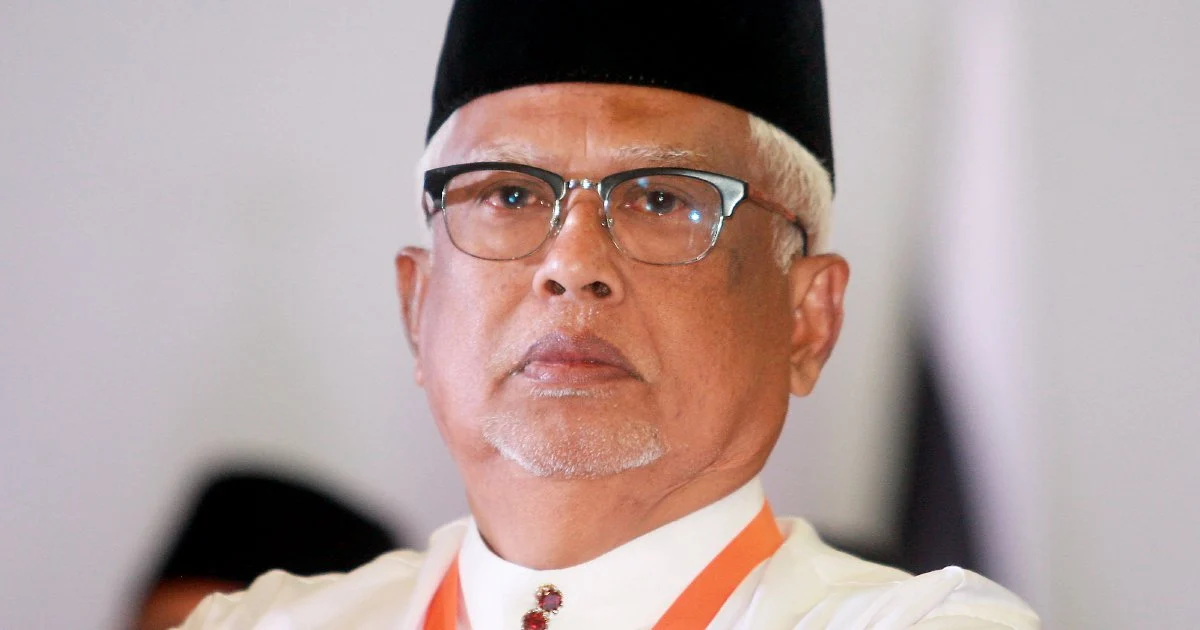
An Amanah party leader has confronted PAS over the apparent disconnect between its public criticism of Bersatu and its electoral strategy in Johor, highlighting a contradiction that threatens the fragile unity of the country's political opposition and raises questions about coalition credibility ahead of key state contests.
The challenge underscores mounting tension within the Islamic-led coalition supporting Perikatan Nasional, with Amanah questioning how PAS can simultaneously level serious allegations against Bersatu while deploying organizational resources to ensure its candidates win state assembly seats. This tension reflects deeper fractures in Malaysian opposition politics, where coalition partners often struggle to balance public positioning against internal party interests and electoral calculations.
The Johor state election has become a critical testing ground for these competing pressures. As one of Malaysia's most populous states and a traditional stronghold of established political parties, Johor represents significant electoral stakes for all major coalitions. For PAS, which has pursued an increasingly independent political trajectory while maintaining formal ties to PN, the Johor contest presents a delicate balancing act between preserving relationships with coalition partners and responding to criticism from within its own ranks and from rival opposition figures.
Amanah's intervention adds another layer to the existing complexity of Malaysian opposition politics. The party, which emerged from the PKR split in 2015 and has positioned itself as a reformist Islamic alternative to PAS, sees the contradictions in PAS's approach as emblematic of broader problems with PN's coherence and trustworthiness as a political force. By publicizing these inconsistencies, Amanah aims to undermine PN's credibility while simultaneously bolstering its own appeal to voters seeking principled political leadership.
The allegations referenced in this dispute, though not detailed in public statements, likely relate to governance concerns or policy differences that have animated debate within PN in recent months. Perikatan, formed in 2020 as a successor arrangement to the earlier failed Pakatan Harapan government, has experienced recurring tensions between its component parties over power-sharing, ministerial portfolios, and ideological direction. These internal conflicts frequently spill into public view, undermining the coalition's presentation as a unified political force capable of providing stable governance.
PAS's apparent strategy of supporting Bersatu candidates while avoiding complete endorsement of PN's broader policy platform reflects a tactical approach common in Malaysian politics. The party seeks to benefit from coalition cooperation on candidate selection and voter mobilization without fully committing to the party's controversial positions or accepting responsibility for all its actions. However, this approach carries political risks, as it exposes PAS to charges of hypocrisy or dishonesty from both rivals and internal critics.
For Malaysian voters, particularly those in Johor, these political maneuvers raise fundamental questions about the authenticity of party principles and coalition commitments. In a political landscape where trust in institutions has eroded over successive cycles of government change and policy reversals, voters increasingly scrutinize whether parties genuinely believe the positions they espouse or merely adopt convenient stances based on electoral advantage. Amanah's challenge to PAS thus resonates beyond intra-party politics to touch on broader citizen concerns about political integrity.
The Johor election also carries implications for the national political trajectory and the shape of government formation after the next general election. Strong performances by PN components in Johor could strengthen their negotiating position in future federal coalition discussions, while poor results might weaken their claims to represent viable governing alternatives. This mathematical reality drives candidate selection decisions and explains why PAS would continue backing Bersatu even amid tensions, as state-level electoral gains remain valuable regardless of inter-party disputes.
Bersatu, as Perikatan's political anchor and the party leading the coalition's federal-level strategy, faces additional vulnerabilities from allegations that weaken its appeal to swing voters and provide opposition parties with ammunition for campaign messaging. The party's support base, while solid in certain constituencies, remains insufficient for independent electoral dominance, making it dependent on PAS cooperation and support. This dependency dynamic influences how thoroughly Bersatu can address or respond to allegations that might embarrass coalition partners.
The broader context includes Malaysia's challenging political economy, where economic pressures, religious sensitivities, and competing visions for the nation's future create persistent instability among governing coalitions. These structural tensions make it difficult for any multi-party alliance to maintain discipline and consistency across diverse policy areas while managing competing party interests and member expectations. Amanah's challenge to PAS reflects these endemic difficulties rather than representing a unique failure specific to any single party.
Moving forward, the resolution of this dispute—or its continued unresolution—will offer important signals about PN's actual cohesion and whether it represents a genuine political realignment or merely a temporary arrangement of convenience. Malaysian voters, particularly those in Johor and other states approaching electoral contests, will be watching whether parties prioritize short-term electoral advantage over the policy consistency and principled leadership that increasingly shape voting behavior in contested political environments.

