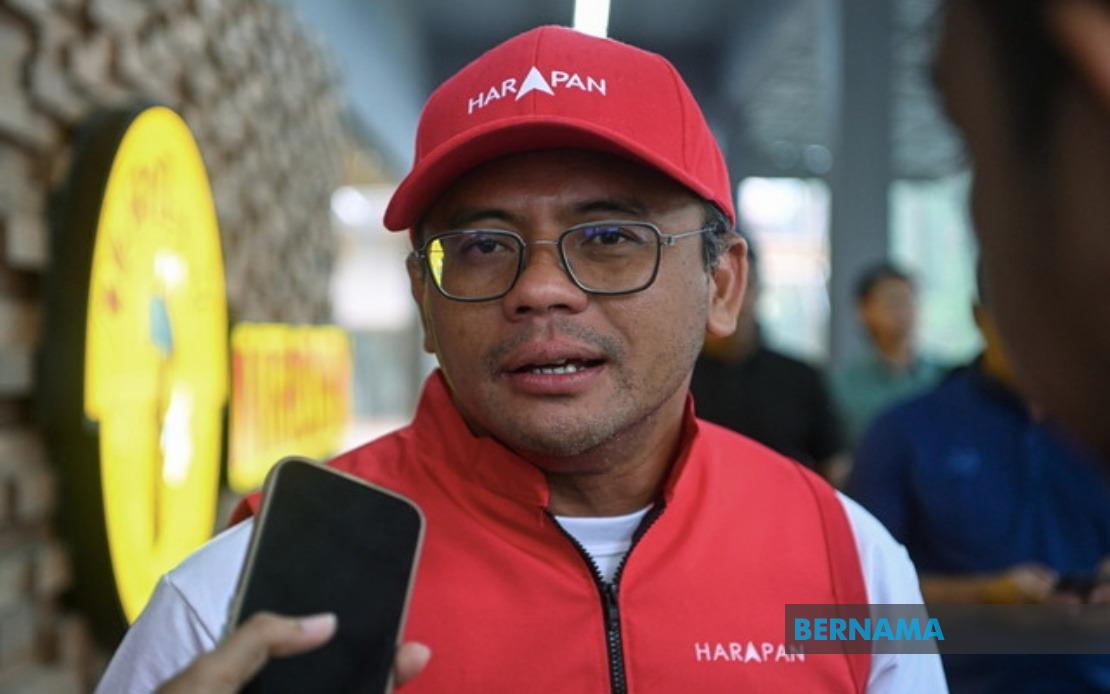
Datuk Seri Amirudin Shari, the election director for Pakatan Harapan, has made an earnest appeal to the state's eligible voters to participate in the Negeri Sembilan state election on August 1, emphasizing the importance of fulfilling their civic responsibilities during what is expected to be a pivotal electoral contest. Speaking in Port Dickson after campaigning alongside Linggi candidate and Negeri Sembilan Menteri Besar Datuk Seri Aminuddin Harun, Amirudin highlighted the unique circumstances facing voters in the state and urged them to overcome any obstacles, including challenging weather conditions, to return home and cast their ballots.
The Selangor Menteri Besar's message carries particular significance given the logistics of voter participation in Malaysia's state elections. Unlike voters in Johor, where significant distances often necessitate lengthy journeys to return home for polling day, most Negeri Sembilan residents who work in the Klang Valley face considerably shorter commutes, making participation logistically feasible despite the additional effort required. This geographical advantage distinguishes the forthcoming election from recent contests in other states, where voter participation rates have been affected by travel difficulties and the costs associated with returning home specifically to vote.
Amirudin's appeal reflects the broader challenge facing electoral processes across Malaysia: ensuring adequate voter turnout despite the practical demands placed on citizens who may have relocated for employment or other reasons. The Klang Valley's role as an economic hub means that Negeri Sembilan residents employed in manufacturing, services, and other sectors are concentrated within reasonable travelling distance, potentially allowing for higher participation rates than in more geographically dispersed constituencies. However, mobilizing voters still requires conscious effort and messaging, particularly in an environment where competing demands on citizens' time and attention can reduce election participation.
The state election will see approximately 889,490 eligible voters casting ballots across Negeri Sembilan's constituencies. This voter roll comprises 867,151 ordinary voters, complemented by 16,884 military personnel and their spouses, and 5,455 police personnel who are entitled to participate. The inclusion of uniformed service personnel underscores the cross-sectional nature of electoral participation in Malaysia, spanning civilians and members of disciplined forces who maintain political neutrality while exercising their voting rights. These figures suggest a substantial mandate for whichever coalition secures victory in the state.
Pakatan Harapan is positioning itself strategically ahead of the election by organizing community engagement and spiritual mobilization efforts. The coalition plans to hold a 'Munajat Perdana', a special prayer gathering scheduled for the evening of July 30, which will be attended by Prime Minister Datuk Seri Anwar Ibrahim. Such events serve multiple purposes within Malaysia's political culture: they provide platforms for addressing voter concerns, allow party leadership to connect with grassroots supporters, and appeal to the spiritual dimensions of citizenship that resonate with many Malaysian voters across religious and cultural communities.
The inclusion of Anwar Ibrahim at this preparatory event signals the federal government's investment in the Negeri Sembilan contest. His presence underscores the significance of the state election not merely as a local exercise but as a potential barometer of public sentiment toward the Pakatan Harapan administration. State elections in Malaysia increasingly carry implications for national political dynamics, as they indicate whether coalition governments can maintain or expand support following their assumption of office at the federal level. A strong performance in Negeri Sembilan would provide momentum heading into potential future national elections, while a disappointing result could suggest electoral consolidation challenges.
The electoral calendar has been structured to allow early voting on the Tuesday preceding the August 1 polling day, accommodating voters who face scheduling constraints or work commitments that might otherwise prevent their participation. This procedural mechanism reflects accumulated experience with voter participation challenges in Malaysian elections and represents an effort to expand the accessibility of the franchise. Voters taking advantage of early polling provisions help distribute the logistical burden on election commissions while expanding the overall window for participation.
Amirudin's framing of voting as a responsibility rather than merely a right reflects a civic education approach common in Malaysian political discourse. By characterizing ballot-casting as a duty citizens owe to their state and community, leaders seek to elevate participation beyond individual preference and position it as a social obligation. This rhetorical strategy acknowledges that many voters must balance electoral participation against competing demands—workplace obligations, family responsibilities, travel expenses—and attempts to motivate participation by appealing to broader notions of civic contribution and collective self-governance.
The Negeri Sembilan election occurs within Malaysia's broader political landscape, which has witnessed significant realignments and electoral volatility over the past decade. The state's voting patterns have historically reflected national trends, though local dynamics around leadership and development priorities also shape outcomes. The prominence of incumbent leadership personalities, including Aminuddin Harun's profile as Menteri Besar, means that elections become forums for endorsing or rejecting specific political figures alongside evaluating parties and coalitions. Voter participation levels will thus indicate not only general enthusiasm for the democratic process but also specific assessments of state and national governance under current administrations.
The weather-related challenges Amirudin referenced deserve particular attention in the Malaysian context, where monsoon conditions and sudden tropical downpours can create genuine barriers to voting. The August 1 date falls during a period when unpredictable precipitation can affect transportation and access to polling stations. By acknowledging these environmental factors while still urging participation, Amirudin validates voters' concerns while reframing them as surmountable obstacles rather than legitimate reasons for abstention. This rhetorical approach seeks to maintain turnout rates despite legitimate physical challenges to accessing polling stations.
The administrative scope of the Negeri Sembilan election, encompassing nearly 900,000 eligible voters across multiple constituencies, reflects the state's population and economic significance within Malaysia's federal structure. Negeri Sembilan's position as a strategically located state—bridging the Klang Valley with regions further south—makes its electoral outcome relevant to broader assessments of political support across west-central Peninsular Malaysia. A consolidation of Pakatan Harapan support in Negeri Sembilan would contribute to the coalition's narrative of maintaining and expanding its post-2018 electoral gains, while any slippage might raise questions about sustainability of the coalition's governance mandate.

