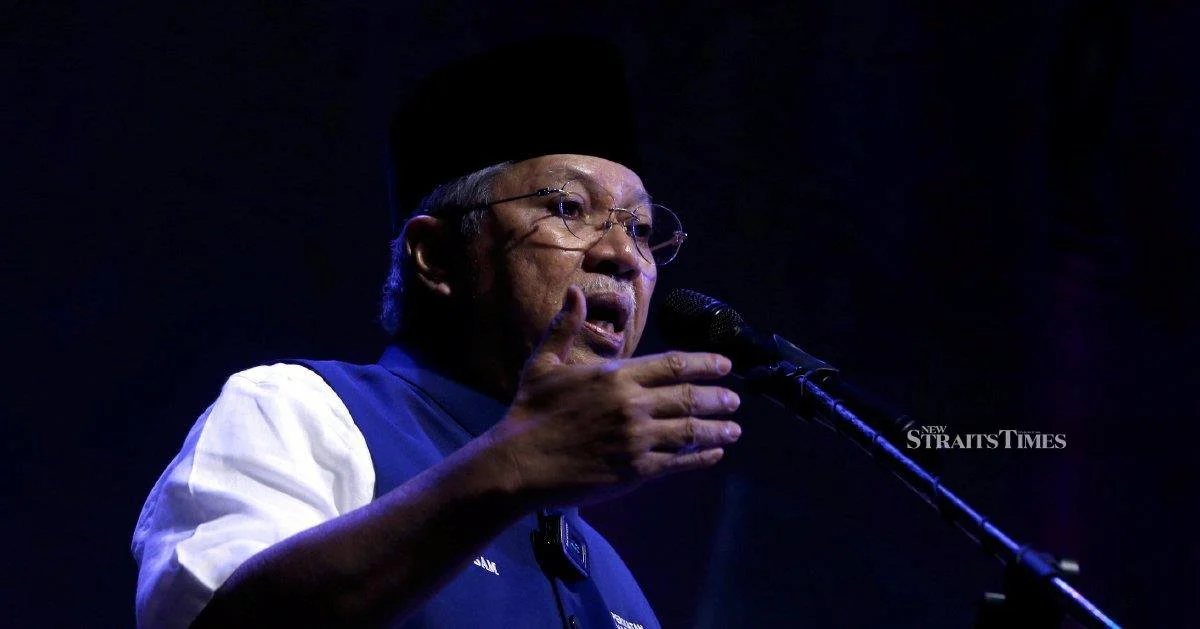
Bersatu faces mounting pressure to maintain composure and resist making hurried pronouncements regarding the latest developments unfolding within Perikatan Nasional, according to appeals from senior figures in the coalition's ranks. The call for restraint underscores the fragility of the opposition alliance at a critical juncture, with tensions simmering just beneath the surface of the partnership.
The advisory comes against a backdrop of persistent friction within PN, the alternative coalition seeking to challenge the Madani government's authority in Parliament. Internal disagreements have become increasingly difficult to contain, particularly as different component parties within the alliance pursue divergent strategic objectives. The coalition, which comprises Bersatu, PAS, and Perikatan components, has historically struggled to maintain unified positioning on key policy matters and parliamentary tactics.
Bersatu, as the party founded by former Prime Minister Mahathir Mohamad, occupies a complex position within PN. The party has previously demonstrated independence in its decision-making, occasionally creating friction with coalition partners over matters ranging from supply-and-confidence arrangements with the Madani government to broader ideological directions. This independent streak, while potentially beneficial to party autonomy, has occasionally complicated PN's collective messaging and strategic coherence.
The timing of calls for calm suggests recent developments have triggered concerns about coalition stability among leadership circles. In Malaysian coalition politics, public disagreements and unguarded statements frequently escalate minor disputes into major schisms that threaten government formation and parliamentary outcomes. The advice to exercise restraint reflects hard-learned lessons from previous coalition breakdowns that destabilised national politics.
For Malaysian readers, PN's internal dynamics carry significant implications for parliamentary mathematics and legislative agenda-setting. While Madani currently commands sufficient numbers to govern, the stability of the opposition coalition affects the government's policy flexibility and its ability to implement initiatives without surprise parliamentary challenges. Coalition ruptures on the opposition benches can paradoxically strengthen a government's position, though unpredictability in parliamentary behaviour also creates uncertainty for long-term policymaking.
The broader context involves PN's evolving relationship with the federal government and regional power consolidation efforts. Some PN parties have demonstrated interest in constructive engagement with Madani on specific issues, while others maintain more confrontational stances. These competing approaches within the coalition create consistent friction over parliamentary tactics and public positioning, particularly ahead of any anticipated electoral contests.
Bersatu's leadership faces genuine pressure from multiple directions. The party must satisfy its own base while maintaining alliance viability with partners who possess different electoral bases and policy preferences. In Malaysian political culture, parties that appear weak or compromised within coalitions often suffer voter desertion, creating incentives for occasional public displays of independence that risk destabilising the entire alliance structure.
The appeal for restraint also reflects calculations about media dynamics and public perception. In contemporary Malaysian politics, hastily issued statements often generate extended media cycles that amplify minor disagreements into apparent major ruptures. Party leaders increasingly understand that disciplined, measured communication strategies preserve greater flexibility for subsequent negotiations and strategic adjustments than do public declarations that become difficult to walk back without losing face.
Historical precedent suggests PN faces genuine challenges to long-term cohesion. Previous Malaysian coalition experiments—including BN's evolution and PKR's internal management—demonstrate that ideologically disparate parties struggle to maintain unity without either clear electoral prospects or institutionalised conflict-resolution mechanisms. PN has developed some such mechanisms, but their effectiveness remains untested under sustained stress.
For Malaysians observing this dynamic, the quiet appeals for restraint signal that PN tensions exceed normal coalition friction. Senior figures apparently view public eruptions as genuinely threatening to alliance viability, warranting preventive diplomatic interventions. This suggests substantive disagreements exist regarding strategic direction, not merely procedural matters subject to easy resolution through negotiation.
The Southeast Asian context adds another dimension. Regional political observers increasingly view Malaysia's coalition politics as reflecting broader democratic maturation, where multiple strong parties must negotiate complex power-sharing arrangements. PN's stability matters for regional Southeast Asian political balance and for assessing how Malaysian democracy manages competitive multi-party systems without institutional breakdown.
Looking forward, whether Bersatu and PN partners sustain restraint depends substantially on external events and upcoming electoral timelines. Coalition discipline typically tightens when elections loom, as parties recognise unified opposition maximises electoral competitiveness. Conversely, periods without clear electoral horizons often witness increased coalition friction as parties pursue individual strategic interests without electoral incentive for unity. The current appeal for calm may therefore represent a temporary expedient rather than a resolution of underlying tensions likely to resurface periodically.

