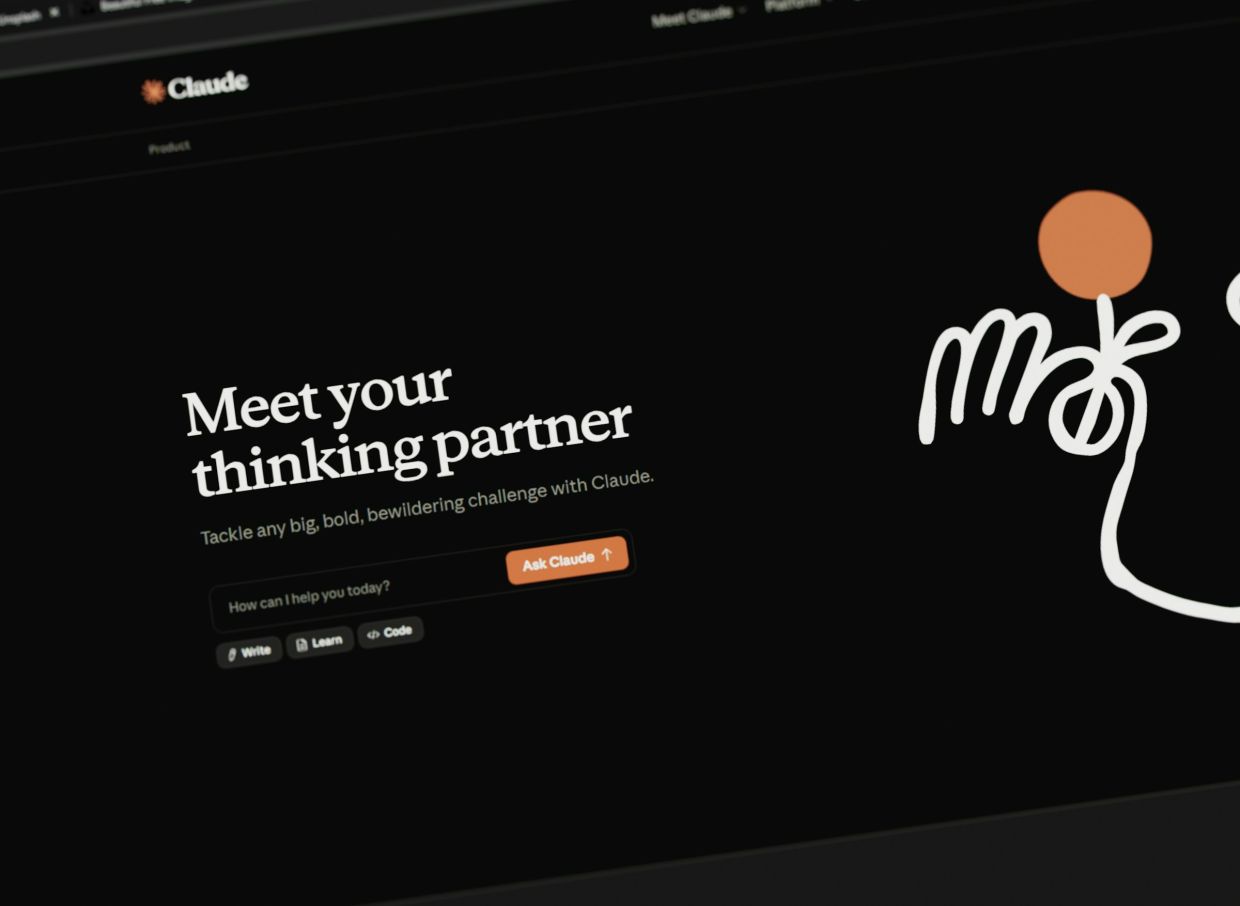
Anthropic PBC has taken a significant step toward embedding artificial intelligence deeper into workplace communication systems with the introduction of Claude Tag, unveiled on June 23. The new feature represents a substantial upgrade from the company's existing Slack presence, positioning Claude as an active participant in team communications rather than simply a tool users summon when needed. The capability allows Claude to observe conversations happening within Slack channels and take autonomous action based on user-defined parameters, fundamentally changing how the AI can operate within collaborative work environments.
The technical scope of Claude Tag extends across several practical workplace functions that teams currently juggle through multiple tools and manual processes. The system can continuously scan channel activity to identify posts relevant to a user's responsibilities, automatically generating alerts when significant messages appear. Beyond passive monitoring, Claude can contribute directly to discussions by inserting comments into ongoing conversations when appropriate, effectively operating as an always-present team member who understands context and business priorities. The feature also includes capabilities for debugging and fixing code errors, a critical function for technical teams working within Slack's increasingly developer-friendly ecosystem.
Anthropologic leadership emphasizes how dramatically this approach has already reshaped internal operations. Cat Wu, the company's head of product for Claude Code and Cowork, disclosed that approximately 65 percent of Anthropic's own product team's code now originates from Claude Tag's internal version. This statistic carries significant implications for enterprise customers considering adoption—it suggests the company has sufficient confidence in the tool's reliability and accuracy to stake its own product development pipeline on it. Wu characterized the shift as transformative for how the organization manages daily workflows, implying that teams using Claude Tag should anticipate comparable operational changes.
For Claude Tag to execute more sophisticated responsibilities, users must connect the system to their existing digital infrastructure. This integration architecture requires linking the AI to data sources including calendar systems and email accounts, enabling Claude to develop a richer understanding of user context and priorities. Such connectivity means Claude can cross-reference Slack discussions with existing commitments, understand communication history through email context, and make more informed decisions about when and how to intervene in conversations. The approach reflects a broader industry trend toward AI systems that operate across multiple enterprise platforms rather than functioning within isolated silos.
Anthropicís strategic positioning of this feature occurs within a highly competitive landscape where both Anthropic and rival OpenAI have invested substantially in professional-grade AI tools aimed at capturing business customers. Over the past year, both companies have pursued parallel strategies of expanding AI capabilities across diverse sectors including financial services, healthcare, and technology infrastructure. These efforts serve dual purposes: they generate revenue from enterprise clients while simultaneously demonstrating the practical utility needed to justify the companies' substantial valuations in investor discussions. Anthropic's current valuation of US$965 billion (RM4 trillion) reflects investor expectations that the company will successfully monetize its AI capabilities across enterprise markets.
Anthropicís trajectory toward becoming a major public company influences its product strategy considerably. The Claude Tag launch represents exactly the kind of professional workflow automation that sophisticated investors expect from a company seeking initial public offering status. By demonstrating that Claude can materially improve team productivity and reduce time spent on routine tasks, Anthropic builds a compelling narrative around its business model's scalability. Enterprise adoption metrics for Claude Tag will likely feature prominently in any future IPO prospectus, making the success of this particular feature important to the company's financial future.
The timing of Claude Tag's release carries additional significance given concurrent regulatory and geopolitical developments affecting Anthropic's product roadmap. Just two weeks before unveiling Claude Tag, Anthropic restricted access to its most advanced AI models, Fable 5 and Mythos 5, following a Trump administration order designed to prevent foreign nationals from accessing cutting-edge American AI technology. This regulatory intervention created immediate product challenges for Anthropic's development team. Wu acknowledged that Fable 5 represented the company's first choice for powering Claude Tag, as it surpasses the capabilities of alternative models across critical dimensions including coding proficiency and autonomous task execution.
The constraint imposed by geopolitical restrictions forced Anthropic to reconsider its underlying technical architecture. Instead of Fable 5, the company will implement Claude Tag using a combination of Opus 4.8, released in May, alongside other available models. While Wu stated that Fable 5 represents the optimal choice for Claude Tag's intended applications, the company appears confident that Opus 4.8 provides sufficient capability for enterprise functionality. However, this substitution likely means that early Claude Tag users will experience a product that does not fully embody Anthropic's vision for the feature, at least until geopolitical circumstances potentially change.
The practical implications for Southeast Asian businesses require careful consideration. While Claude Tag will initially roll out to Anthropic's enterprise and team subscription users, the feature eventually reaches broader markets as adoption patterns stabilize. Malaysian companies operating in technology, professional services, and knowledge work sectors should anticipate that AI-assisted Slack integration will gradually become standard within competitive industries. The productivity gains Anthropic claims—derived from internal experience where 65 percent of code creation now involves Claude—suggest that early adopters may gain meaningful competitive advantages. However, organizations must also navigate implementation challenges, particularly around data security and compliance when connecting Claude Tag to sensitive corporate information streams.
Clonde Tag simultaneously represents both continuity and transformation within Anthropic's Slack strategy. The company previously offered Claude within Slack, but Claude Tag's autonomous monitoring and action capabilities constitute a meaningful departure from reactive AI assistance. This evolution reflects industry-wide momentum toward agentic AI systems that operate proactively rather than waiting for human instruction. For Malaysian organizations, this feature rollout signals that the era of AI tools functioning purely as on-demand assistants is gradually ending, with increasingly autonomous systems becoming integrated into workplace infrastructure. Teams should begin developing governance frameworks and ethical guidelines for AI systems that operate with greater autonomy, as the technology will soon demand management approaches distinct from traditional software tools.

