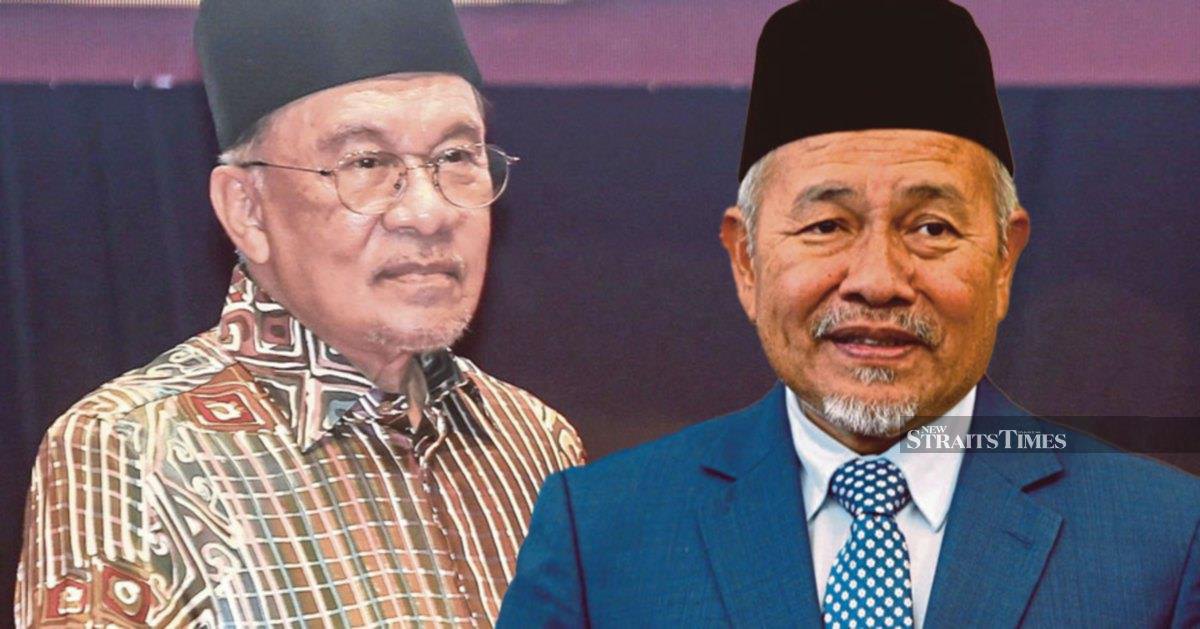
Prime Minister Datuk Seri Anwar Ibrahim has escalated a political dispute with the opposition by formally demanding a retraction from PAS deputy president Datuk Seri Tuan Ibrahim Tuan Man over remarks made outside Parliament that Anwar characterises as defamatory. The letter of demand signals a hardening of tensions between the ruling coalition government and the Islamist opposition party, reflecting the increasingly acrimonious tone of Malaysian politics.
The demand centres on statements attributed to Tuan Ibrahim that were reportedly made outside the parliamentary chamber during proceedings last month. While the precise content of the alleged remarks remains the subject of dispute, Anwar's legal action indicates he views the comments as damaging to his reputation and character. The timing of the demand coincides with sustained political friction between the Prime Minister and PAS, the country's largest opposition party, which has sought to challenge the legitimacy and competence of Anwar's administration.
This escalation reflects a broader pattern in Malaysian politics where parliamentary opposition and public disputes increasingly spill over into legal proceedings. The resort to letters of demand is a common precursor to defamation suits, serving both as a formal notice and as a tactical manoeuvre to establish a legal record. For Anwar, the action reinforces his administration's willingness to pursue legal remedies against critics, a stance that carries significant implications for press freedom and political discourse in the country.
PAS, under the leadership of president Abdul Hadi Awang, has positioned itself as the primary parliamentary opposition to Anwar's coalition government. The party has consistently attacked the government's policies, governance record, and the Prime Minister's personal conduct. Tuan Ibrahim, as deputy president, is a senior figure within PAS's hierarchy and frequently serves as a spokesperson for the party's position on government matters. His alleged remarks thus represent not merely individual opinion but potentially reflect broader party strategy.
The incident underscores the fragile nature of Malaysian political alliances and the ease with which disputes can escalate from parliamentary debate into legal confrontation. The coalition government, comprising Pakatan Harapan and Barisan Nasional parties alongside other partners, has maintained a relatively slim parliamentary majority that requires careful management. Every act of opposition criticism and government response contributes to the overall political temperature and can influence coalition cohesion.
For regional observers, the dispute illustrates the intensity of Malaysian electoral and political competition as the country approaches potential future elections. The use of legal instruments against political opponents reflects patterns seen elsewhere in Southeast Asia, where the boundaries between legitimate political contestation and legal action remain contested and fluid. International watchdog groups have previously raised concerns about the weaponisation of defamation law against political figures in the region.
Tuan Ibrahim has not immediately responded publicly to the letter of demand, though PAS typically responds to government criticism through its own media channels and parliamentary statements. The party has historically been forthright in its criticism of Anwar and his coalition partners, particularly on matters of Islamic governance, secular policies, and alleged corruption. Whether Tuan Ibrahim chooses to retract the statements, clarify his position, or contest the defamation claim will shape the trajectory of this dispute.
The legal dimensions of this matter warrant careful examination. Malaysian defamation law, rooted in both common law traditions and statutory provisions, places significant burdens on public figures seeking to establish defamation. Anwar, as Prime Minister, occupies the highest political office and courts have generally held that public figures must demonstrate malice and deliberate falsehood rather than mere inaccuracy. This higher threshold reflects international norms regarding freedom of expression and political debate.
The parliamentary privilege doctrine also complicates matters. While statements made within Parliament receive legal protection against defamation claims, remarks made outside the chamber enjoy no such immunity. This distinction explains why the timing of Tuan Ibrahim's alleged comments outside Parliament rather than inside the legislative chamber is legally significant. Anwar's legal team has clearly assessed that the statements fall outside privileged parliamentary speech and therefore constitute actionable defamation.
For Malaysian media and civil society organisations, this episode raises important questions about the health of political discourse and the appropriate mechanisms for resolving disputes between senior political figures. The preference for legal action over political debate, while technically within the law, may discourage robust public discussion and parliamentary accountability. Opposition figures may become more circumspect in their criticism if they face legal consequences, potentially narrowing the space for legitimate political opposition.
The broader context includes Anwar's previous legal battles, including past defamation actions and his own experiences as a plaintiff and defendant in political disputes. His willingness to pursue legal remedies suggests confidence in his legal position but also reflects his administration's zero-tolerance approach to public criticism. This approach contrasts with the convention in some democracies where political leaders accept criticism as inherent to democratic participation.
As this matter develops, the response from PAS and other opposition parties will likely influence the political narrative around press freedom and political accountability in Malaysia. Whether this letter of demand leads to a negotiated resolution, a public retraction, or full-scale litigation will have implications extending beyond the immediate parties involved, affecting the broader culture of political discourse and the willingness of public figures to engage in robust debate.

