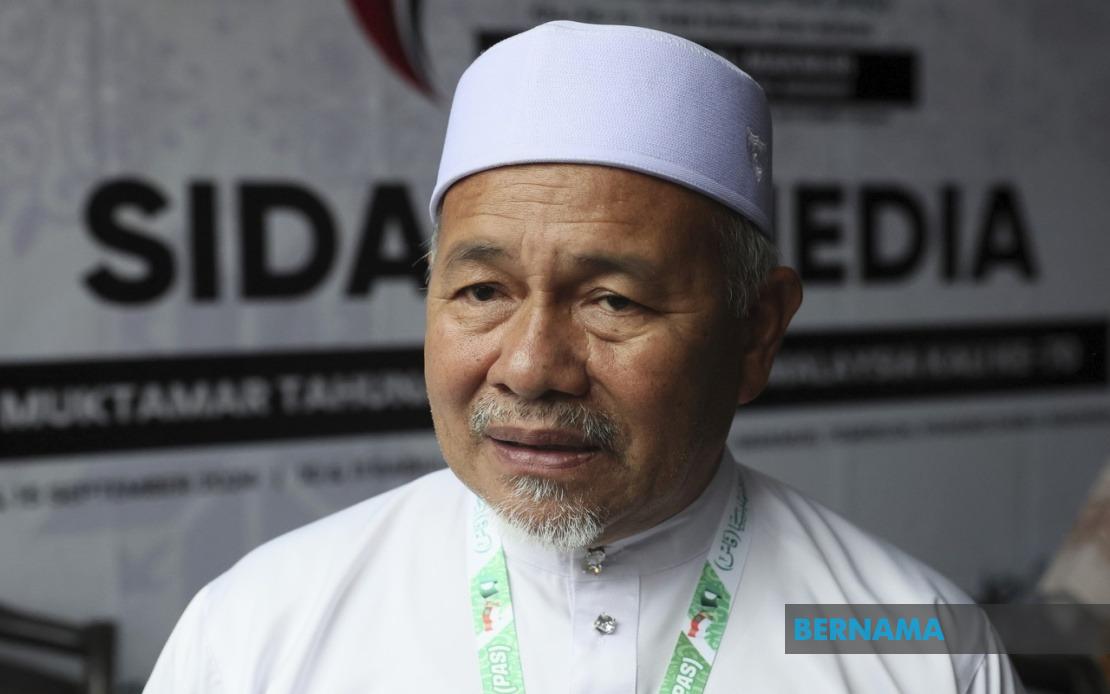
Prime Minister Datuk Seri Anwar Ibrahim has escalated a political dispute with PAS deputy president Datuk Seri Tuan Ibrahim Tuan Man by issuing a formal letter of demand through his legal counsel, seeking redress for comments he characterises as defamatory and damaging to his reputation.
The legal action centres on remarks allegedly made by Tuan Ibrahim outside Parliament on June 14, which were subsequently amplified through social media platforms and reached a broader audience beyond the parliamentary chamber. This distinction between the initial utterance and its digital republication is significant in Malaysian defamation law, as it extends the potential liability and demonstrates how modern communications infrastructure can magnify political speech far beyond its original context.
According to Datuk SN Nair, the Prime Minister's lawyer, the letter of demand contains multiple specific requirements that Tuan Ibrahim must fulfill within a compressed timeframe. The most immediate demand is for unconditional withdrawal of the contested statements, coupled with a formal public apology that would restore Anwar's public standing. Beyond these remedial measures, the demand also stipulates that Tuan Ibrahim provide written assurance against repeating similar allegations in the future, effectively creating a constraint on his political speech and communications.
Financial compensation forms another critical component of the legal claim. The demand seeks damages from the PAS politician, along with coverage of the Prime Minister's legal costs incurred in pursuing the matter. The financial dimension reflects the gravity with which Anwar's legal team views the alleged reputational harm, translating political injury into quantifiable monetary terms that would need to be settled through the courts if the matter proceeds.
The 48-hour response window granted to Tuan Ibrahim represents an unusually compressed deadline in civil disputes, underscoring the urgency and seriousness that the Prime Minister's office attaches to the matter. This brief period effectively forces a rapid decision: either comply substantially with the demands or face the prospect of full litigation. Nair's explicit warning that legal proceedings would commence immediately upon expiration of this window leaves no ambiguity about the consequences of non-compliance.
This confrontation occurs against a backdrop of complex political dynamics in Malaysia. While Anwar's Pakatan Harapan coalition relies on cooperation from various political forces to maintain parliamentary stability, the PAS-led Perikatan Nasional remains a significant opposition bloc. The resort to legal mechanisms rather than purely political negotiation suggests that direct engagement has proven unsuccessful or that Anwar perceives the statements as crossing a threshold that demands formal legal redress.
For Malaysian readers and Southeast Asian observers, the case illustrates how defamation law operates as a tool in political disputes and the tension between free speech protections and reputation protection in Malaysia's legal framework. Defamation claims, particularly those involving senior political figures, invariably attract intense scrutiny regarding whether they represent legitimate reputation protection or potential abuse of legal mechanisms to silence political criticism.
The timing of the letter of demand, released publicly on July 30, signals that Anwar's team is willing to conduct this dispute in the public sphere rather than through quiet legal channels. This transparency demonstrates confidence in the legal position while simultaneously amplifying the political dimensions of the conflict. Public disclosure of legal demands often functions as an additional pressure mechanism beyond the formal legal requirement.
Tuan Ibrahim's response to this demand will carry significant implications for PAS strategy and its relationship with the government. Compliance would represent a substantial political setback and public humiliation for the deputy party president. However, non-compliance triggers litigation that could extend over months or years while attracting continued media attention and creating ongoing legal vulnerability.
The defamation suit also raises broader questions about the boundaries of parliamentary and political speech in Malaysia. While remarks made within Parliament receive absolute privilege and cannot form the basis for defamation claims, statements made outside the chamber enjoy no such protection. This distinction emphasises how the location and venue of political commentary carry legal consequences that politicians must navigate carefully.
From a regional perspective, this dispute exemplifies recurring patterns across Southeast Asia where political leaders employ defamation law in high-stakes political conflicts. Courts across the region increasingly grapple with balancing political speech rights against reputation protection, establishing precedents that influence how regional democracies manage political discourse and legal accountability.
The matter remains unresolved pending Tuan Ibrahim's response within the stipulated timeframe. How he navigates this legal pressure—whether through capitulation, negotiated settlement, or fighting the claim through litigation—will signal important information about both PAS's political standing and the evolving relationship between Anwar's administration and opposition forces in Malaysia's parliament.

