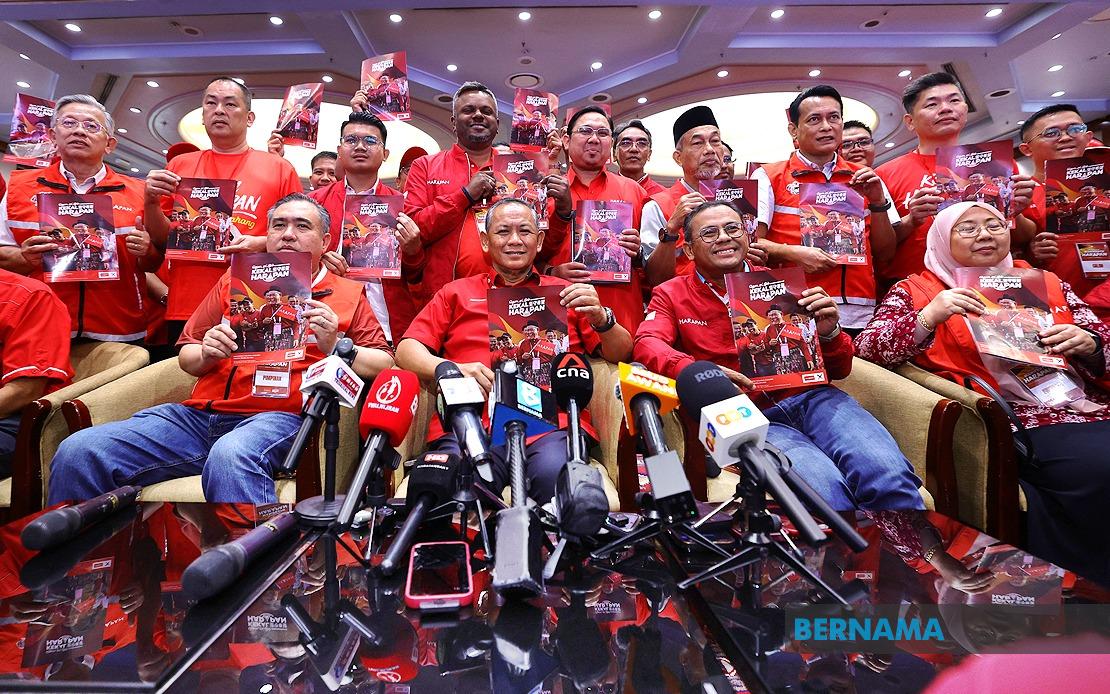
Prime Minister Datuk Seri Anwar Ibrahim will bolster Pakatan Harapan's campaign efforts in Negeri Sembilan this Wednesday, according to PH Negeri Sembilan chairman Datuk Seri Aminuddin Harun. The party leader is scheduled to appear at multiple campaign events in Sikamat and Paroi alongside senior party officials and grassroots machinery as the coalition seeks to consolidate support ahead of the 16th state election.
Aminuddin confirmed Anwar's participation will proceed as planned despite the Prime Minister's absence from Tuesday evening's manifesto launch in Seremban. This timing adjustment reflects the demanding schedule facing Malaysia's top political leader, who manages both his role as Prime Minister and his responsibilities as Pakatan Harapan chairman during the critical pre-election period. The party has emphasised that Anwar's Wednesday presence carries strategic significance for motivating voters and party workers.
The Pakatan Harapan manifesto unveiled Tuesday charts an ambitious vision across multiple policy domains. Administrative efficiency and institutional stability form the foundation, reflecting the coalition's emphasis on competent governance. Complementing this are commitments to bolster citizen prosperity, develop a resilient and competitive economic landscape, and expand educational opportunities across the state. Housing availability and affordability remain central concerns, particularly for younger Malaysians priced out of traditional property markets.
Youth empowerment and women's advancement feature prominently throughout the manifesto, signalling PH's intent to address demographic shifts and evolving social expectations. Family welfare initiatives are positioned as essential infrastructure for social cohesion. Tourism development is earmarked as an economic driver, while preservation of customary heritage acknowledges the state's indigenous cultural identity. These dual priorities—modernisation and tradition—reflect attempts to appeal to diverse constituencies within Negeri Sembilan.
Agricultural modernisation receives explicit attention within the manifesto framework, recognising farming's ongoing importance despite broader economic diversification. Strategic infrastructure projects are positioned as catalysts for regional development and connectivity improvements. Social unity and harmony, framed as foundational principles rather than afterthoughts, suggest PH's commitment to managing Malaysia's plural society thoughtfully. Together, these pledges constitute a comprehensive policy platform designed to differentiate the coalition from opposition alternatives.
Aminuddin, who is himself contesting for the Linggi seat, articulated the party's determination to translate manifesto commitments into tangible outcomes. His assertion that Pakatan Harapan has adequately prepared its policy architecture reflects confidence in the coalition's organisational readiness. By stressing the intention to deliver on promises, party leadership attempts to reframe political engagement around accountability and concrete results rather than vague aspirations or rhetorical flourishes.
The campaign trail encompasses senior figures across Pakatan Harapan's diverse membership. DAP secretary-general Anthony Loke, simultaneously contesting the Chennah seat, brings the Democratic Action Party's electoral machinery to bear. Selangor Menteri Besar Datuk Seri Amirudin Shari's participation as PH election director coordinates nationwide strategy with Negeri Sembilan specifics. PKR secretary-general Datuk Dr Fuziah Salleh and Amanah vice-president Datuk Dr Mohd Hatta Md Ramli represent their respective parties' contributions to the coalition effort, demonstrating that Pakatan Harapan functions as a functioning multi-party alliance rather than a single monolithic structure.
Negeri Sembilan holds particular significance within Malaysia's electoral geography. The state election result carries implications for broader coalition dynamics and may influence calculations around federal stability. Coalition performance here provides crucial momentum or corrective signals ahead of potential national parliamentary developments. For opposition parties contesting the Negeri Sembilan seats, the state presents opportunities to contest PH dominance and regain lost ground from previous electoral cycles.
The electoral timeline provides limited time for campaign consolidation. Early voting commences July 28, permitting poll-bound voters to cast ballots before the official polling date. The August 1 election day itself represents the culmination of weeks of campaigning, manifesto dissemination, and mobilisation efforts. This compressed schedule means campaign appearances by high-profile figures like Anwar carry outsized significance in reaching audiences and crystallising messaging before voters make final decisions.
For Malaysian voters and observers, the Negeri Sembilan contest offers insight into current political mood and coalition viability. Results will provide indicators regarding urban-rural voting patterns, youth engagement levels, and whether established party alignments remain stable or face disruption. The state's diverse demographic composition—encompassing Kuala Lumpur commuters, mining-heritage communities, and agricultural zones—makes it representative of broader Malaysian electoral dynamics, rendering the outcome particularly instructive for assessing national political trajectories during an uncertain period for Malaysian governance.

