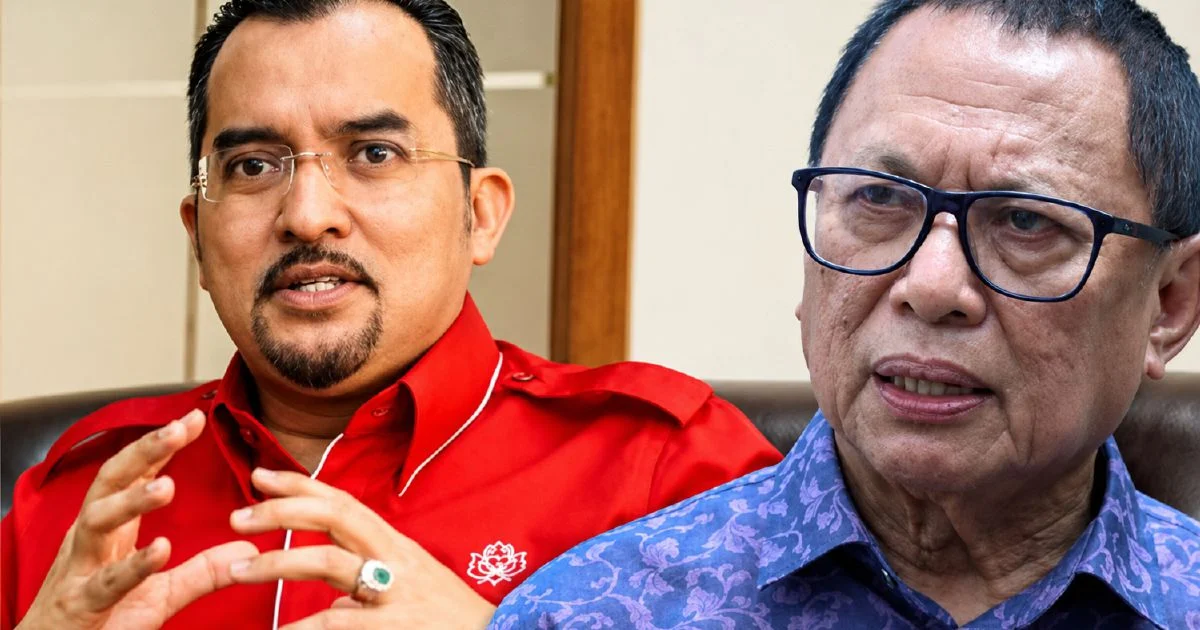
The Umno party hierarchy has descended into open confrontation after Datuk Dr Mohd Puad Zarkashi announced his departure, prompting a sharp and uncharacteristic public rebuke from Datuk Dr Asyraf Wajdi Dusuki, the party's secretary-general. The exchange marks a significant deterioration in party discipline and internal cohesion at a time when Umno continues navigating Malaysia's complex political landscape and negotiating its position within the federal government coalition.
The nature of Puad Zarkashi's claims regarding royal involvement and his departure timing remains central to the dispute. Senior party figures like Asyraf Wajdi rarely engage in public dispute with departing members, suggesting the allegations levelled merit substantial concern within the party leadership. The willingness to respond with force indicates the matter extends beyond routine internal disagreement into territory touching on institutional credibility and party governance.
Puad Zarkashi's exit occurs during a period of considerable instability for Umno, which has faced sustained criticism over internal management, leadership transitions, and its broader alignment within Pakatan Harapan-led administration structures. The timing compounds existing tensions within the party apparatus, where factional divisions concerning strategic direction and resource allocation persist. For Malaysian political observers, the incident exemplifies ongoing struggles within Umno between different power centres seeking to influence party trajectory and policy orientation.
The invocation of palace-related matters in any Malaysian political dispute immediately elevates sensitivity around the issue. Constitutional conventions surrounding the monarchy remain sacrosanct within the political culture, making accusations touching on royal affairs particularly inflammatory. Asyraf Wajdi's forceful response suggests he views such claims as crossing fundamental boundaries regarding appropriate political discourse and party member conduct.
Within Umno's organisational structure, the secretary-general position holds significant authority over party administration, enforcement of party discipline, and communication of official positions. When a figure occupying this role engages publicly against party members, it typically signals that the target's conduct is deemed incompatible with party values or acceptable behaviour. The strength of Asyraf Wajdi's reaction underscores the gravity with which leadership treats the allegations or circumstances surrounding Puad Zarkashi's departure.
For Southeast Asian political analysts tracking Malaysian developments, internal ruptures within Umno carry implications extending beyond the party. As the dominant component within Malaysia's Malay-Muslim political consciousness, Umno's institutional stability directly affects government formation, coalition management, and policy implementation at federal level. Visible conflicts between senior figures potentially undermine the party's project to consolidate support ahead of anticipated electoral contests.
Puad Zarkashi's profile as a party figure with established parliamentary or organisational credentials means his departure represents a loss of experience and perceived legitimacy. The subsequent public dispute between him and Asyraf Wajdi further damages the party's public presentation during a period when unified messaging around economic management and federal-state cooperation remains strategically important. The spectacle of senior officials trading accusations diminishes collective party authority.
The confrontation also reflects deeper questions about Umno's evolving internal culture. Historical party norms traditionally discouraged senior members from airing disputes through mainstream media channels, preferring internal resolution mechanisms and private channels for managing disagreements. The public nature of the current exchange suggests erosion of these conventions, potentially opening pathways for additional public disputes among competing factions.
Regional observers noting Malaysian political developments recognise that Umno's stability affects broader ASEAN political dynamics. The party's role in government ensures its institutional health carries consequences for Malaysia's participation in regional forums, bilateral negotiations, and collective positioning on transnational issues. When party leadership becomes consumed by internal management crises, Malaysia's ability to project consistent regional policy positions potentially weakens.
The allegations surrounding palace connections merit particular attention given Malaysia's constitutional architecture. Any suggestion of inappropriate interaction between political parties and the institution of monarchy invokes sensitive constitutional questions regarding the sovereign's role in political processes. Asyraf Wajdi's strong response may partly reflect concern that such allegations, if circulated widely, could damage the party's relationship with royal institutions that traditionally maintain careful distance from partisan political controversy.
Looking forward, the sustainability of Umno's coalition arrangement depends partially on internal stability and perceived competence among its leading figures. This public dispute between Asyraf Wajdi and Puad Zarkashi creates an impression of institutional dysfunction precisely when the party requires unified presentation to maintain coalition partner confidence and public support. How party leadership manages subsequent reconciliation efforts, if pursued, will determine whether this incident represents a momentary crisis or a deeper fracture within the organisation.

