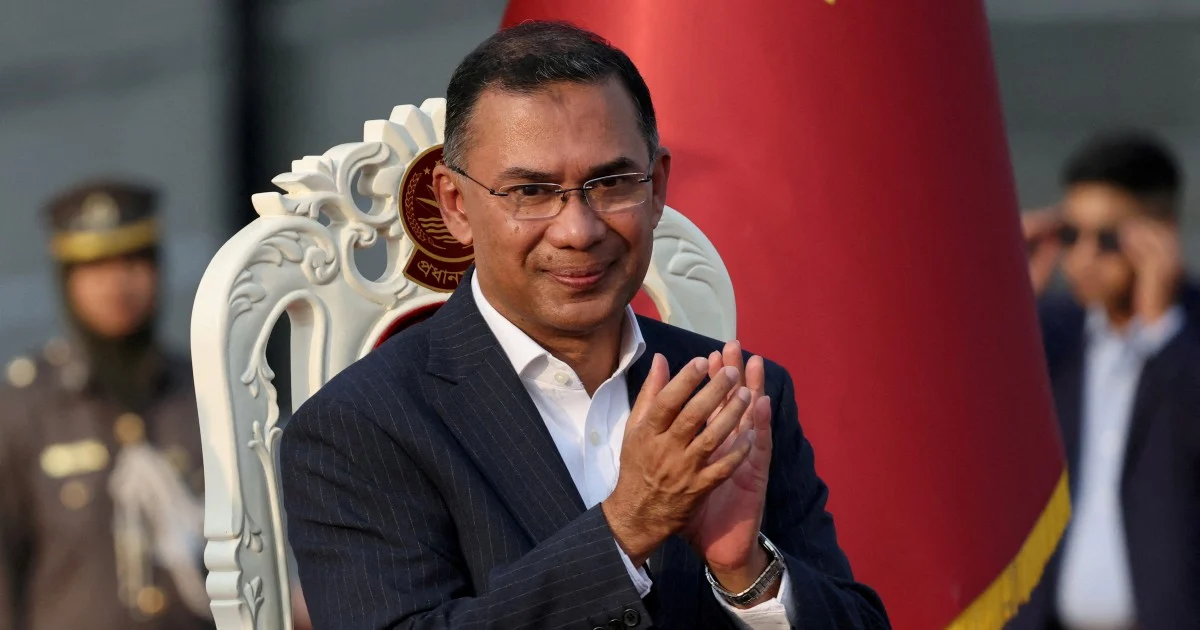
Bangladesh Prime Minister Tarique Rahman touched down at Sepang today, beginning a carefully orchestrated diplomatic visit that signals renewed momentum in the relationship between Dhaka and Kuala Lumpur. The arrival marks a significant moment for both nations as they seek to elevate their partnership beyond traditional frameworks and unlock new avenues for collaboration across economic, security, and cultural domains. The visit underscores Bangladesh's strategic interest in strengthening ties with key Southeast Asian economies at a time when regional geopolitics are shifting and nations are reassessing their international positioning.
The timing of Rahman's visit carries particular relevance given the evolving dynamics within South Asia and the broader Indo-Pacific region. Bangladesh, as the eighth most populous nation globally and a major economic hub in South Asia, has long recognized the importance of cultivating robust relationships with Southeast Asian neighbours. Malaysia, with its role as a significant economy and ASEAN member, represents a natural partner for Bangladesh in advancing shared interests and creating frameworks for deeper engagement. This official visit provides the platform for both governments to translate goodwill into concrete mechanisms for cooperation.
Bilateral relations between Malaysia and Bangladesh have historically been marked by cordial diplomatic exchanges and people-to-people connections forged through shared religious and cultural values. However, officials from both nations have increasingly acknowledged the potential for expanding ties beyond these traditional foundations. The visit presents an opportunity to explore partnerships in sectors ranging from trade and investment to tourism, education, and technological innovation. Bangladesh's expanding middle class and growing consumer market present compelling opportunities for Malaysian businesses seeking regional expansion, while Malaysian expertise in various sectors could facilitate Bangladesh's development agenda.
Economic cooperation stands as a critical pillar of the discussions expected during Rahman's stay. Two-way trade between the nations, while existing, remains below its potential given the size of Bangladesh's economy and the complementary nature of their respective business sectors. Malaysian companies have expressed interest in participating in Bangladesh's massive infrastructure development projects, while Bangladesh's skilled workforce and manufacturing capabilities offer advantages for Malaysian investors exploring diversification options. Bilateral investment frameworks could be revisited to remove impediments and create more favorable conditions for cross-border business activities.
The security dimension of the relationship also warrants attention during high-level visits such as this. Both nations face transnational challenges including human trafficking, maritime security concerns, and counterterrorism operations that necessitate enhanced intelligence sharing and operational coordination. Malaysia's experience in managing maritime security in the Strait of Malacca and Bangladesh's role in the Bay of Bengal present opportunities for developing joint protocols and capacity-building initiatives. Regional stability hinges partly on nations within the area developing robust mechanisms for addressing shared security challenges collaboratively.
Cultural and educational exchanges represent another avenue for deepening the bilateral relationship. Many Bangladeshi students pursue higher education in Malaysia, and this educational pipeline has created substantial alumni networks that often translate into lasting professional and business connections. Expanding scholarships, facilitating student mobility, and establishing institutional partnerships between universities could amplify these soft power benefits and create more avenues for knowledge transfer and intellectual collaboration. Cultural festivals, literary exchanges, and youth engagement programs can further cement people-to-people bonds that form the foundation for enduring state-to-state relationships.
The visit also occurs against the backdrop of ASEAN's broader engagement with South Asian nations through the ASEAN Regional Forum and East Asia Summit frameworks. Bangladesh's Observer status in ASEAN and its participation in regional mechanisms provide context for bilateral discussions. As Malaysia chairs or participates in various ASEAN working groups, Rahman's visit offers opportunities for exploring how the two nations can coordinate positions on regional issues and contribute more meaningfully to the architecture of regional governance.
Tourist and tourism infrastructure development merit consideration in bilateral deliberations. Bangladesh possesses significant tourism potential through its historical sites, natural resources, and cultural heritage, yet it remains underutilized by international visitors. Malaysia's developed tourism industry and expertise in destination management could prove valuable in helping Bangladesh develop and market its attractions more effectively. Reciprocally, Malaysian tourists represent a significant market opportunity for Bangladesh, and improved air connectivity and hospitality infrastructure could boost visitor flows in both directions.
The digital economy and technology sectors increasingly feature in bilateral agendas between Southeast Asian and South Asian nations. Bangladesh's growing technology startup ecosystem and Malaysia's position as a regional fintech hub suggest complementary opportunities. Joint ventures in software development, digital innovation, and e-commerce platforms could generate mutual benefits and position both nations competitively within the broader digital economy. Government-to-government cooperation in establishing technology parks and innovation hubs could accelerate this process.
Energy security and sustainability initiatives also warrant discussion as both nations confront the challenges of balancing development needs with environmental imperatives. Bangladesh's significant investments in renewable energy and Malaysia's expertise in energy efficiency and technology transfer create grounds for cooperation. Joint research initiatives and capacity-building programs in green technology could support both nations' climate commitments while fostering technological advancement and economic opportunity.
Political scientists observing regional dynamics note that strengthened Malaysia-Bangladesh relations contribute to a more multipolar Asia where multiple centers of influence maintain active dialogues rather than orbiting around traditional power centers. This diversification of relationships enhances regional stability and ensures that smaller and mid-sized economies retain meaningful agency in shaping their strategic environments. Rahman's visit exemplifies this principle in practice.
The success of this official visit will ultimately be measured by the concrete outcomes—whether through memoranda of understanding, enhanced trade protocols, expanded educational partnerships, or joint initiatives addressing shared challenges. Beyond the immediate deliverables, however, the visit itself signals to regional and international observers that Malaysia and Bangladesh view their relationship as sufficiently important to merit high-level engagement and ongoing institutional development. As both nations navigate an increasingly complex regional landscape, deepening their partnership serves mutual interests while contributing to broader Southeast Asian stability.

%22%2F%3E%3C%2Fpattern%3E%3C%2Fdefs%3E%3Crect%20width%3D%22100%25%22%20height%3D%22100%25%22%20fill%3D%22url(%23ph55gaog)%22%2F%3E%3Crect%20width%3D%22100%25%22%20height%3D%22100%25%22%20fill%3D%22url(%23ph55gaop)%22%2F%3E%3Ctext%20x%3D%2250%25%22%20y%3D%2250%25%22%20text-anchor%3D%22middle%22%20dominant-baseline%3D%22central%22%20fill%3D%22rgba(255%2C255%2C255%2C0.95)%22%20font-family%3D%22Georgia%2C%20'Times%20New%20Roman'%2C%20serif%22%20font-weight%3D%22700%22%20font-size%3D%22320%22%20letter-spacing%3D%22-0.02em%22%3EMUDA%3C%2Ftext%3E%3C%2Fsvg%3E)