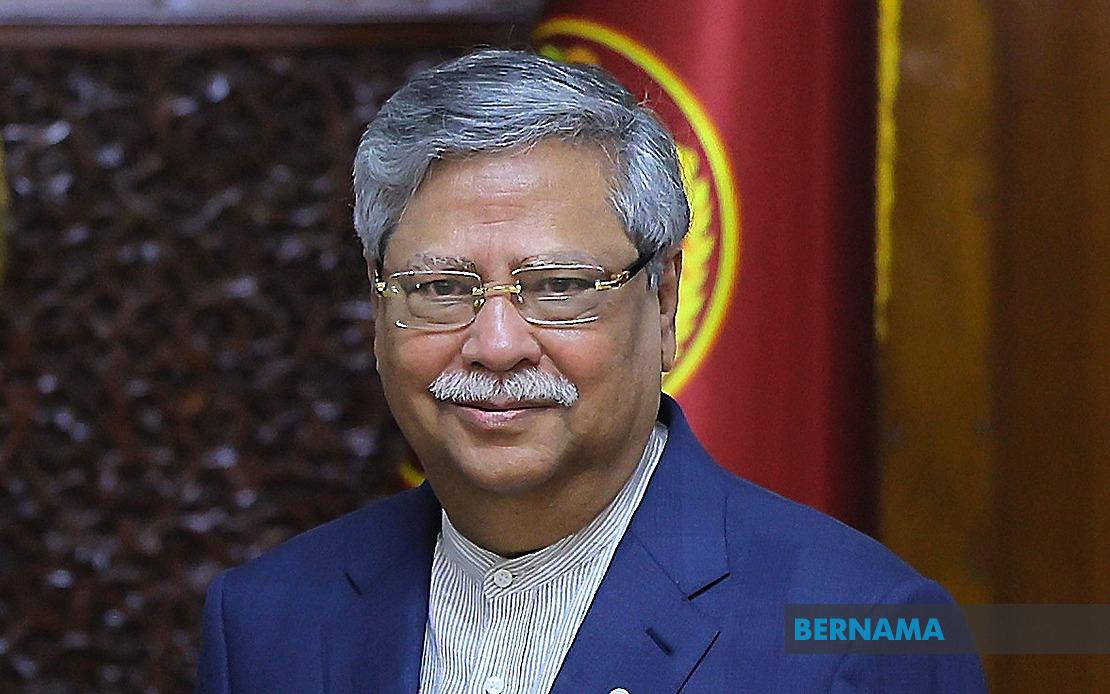
Bangladesh is set to elect a new president when parliament reconvenes in September, Law Minister Md Asaduzzaman announced on Saturday, ending speculation about the timeline for filling the vacant head of state position. The constitutional requirement mandates that a presidential election must occur within 90 days of the incumbent's departure from office, establishing a firm deadline for the electoral process.
President Mohammed Shahabuddin Chuppu submitted his resignation letter to Speaker Hafiz Uddin Ahmad, citing serious health complications as his reason for stepping down. The Parliament Secretariat subsequently confirmed that Speaker Ahmad is now discharging the functions and duties of the presidency in accordance with Bangladesh's constitutional provisions, ensuring institutional continuity during the transitional period.
The timing of the presidential election is constrained by parliamentary scheduling rules. The second session of parliament concluded on July 15, and constitutional protocol requires that the third session must be convened within two months of the second session's adjournment. This deadline falls on September 14, providing parliament a window within which to conduct the presidential election and satisfy the 90-day requirement stipulated in the Constitution.
Under Bangladesh's constitutional framework, members of parliament serve as the electorate for presidential elections, a system that concentrates the electoral power within the legislative body rather than expanding it to the general population. This parliamentary voting mechanism has significant implications for the outcome, as it ties the presidential election directly to the composition and political allegiances within the legislature.
The Bangladesh Nationalist Party (BNP), led by Prime Minister Tarique Rahman, commands a majority in the current parliament, positioning itself to heavily influence the presidential selection. Political analysts and observers across South Asia view the BNP's parliamentary dominance as virtually ensuring that the party's preferred candidate will secure the presidency, barring unforeseen political upheaval or significant defections among parliamentary members.
The vacancy created by Shahabuddin's resignation represents a significant moment in Bangladesh's recent political trajectory. The transition occurs amid broader developments in the nation's governance and reflects ongoing considerations about leadership continuity and institutional stability. The presidential office, while ceremonial in many respects under Bangladesh's parliamentary system, carries symbolic importance and plays a constitutional role in the functioning of government.
For Malaysian and regional observers, Bangladesh's presidential succession process illustrates how different democracies structure executive transitions and the varying roles assigned to legislatures in selecting heads of state. While Malaysia's constitutional monarchy provides hereditary continuity in the ceremonial head of state position, Bangladesh's parliamentary selection method demonstrates an alternative approach to resolving executive vacancies. Understanding these comparative institutional arrangements offers insights into how different Asian democracies manage constitutional crises and leadership transitions.
The September timeline for the election provides several weeks for parliamentary deliberation and formal nomination procedures. Although the BNP's numerical advantage makes its chosen candidate the presumed victor, the formal electoral process will still require parliamentary procedures to be observed, including nomination, debate, and voting stages, ensuring that constitutional proprieties are maintained throughout the selection process.
The succession process also carries implications for Bangladesh's international relations and regional standing. Presidential appointments often carry symbolic weight in diplomatic contexts, and the election will present an opportunity for the BNP-led government to signal its priorities and consolidate its political position. The new president will serve as a constitutional figurehead while engaging in formal state duties and international representation.

