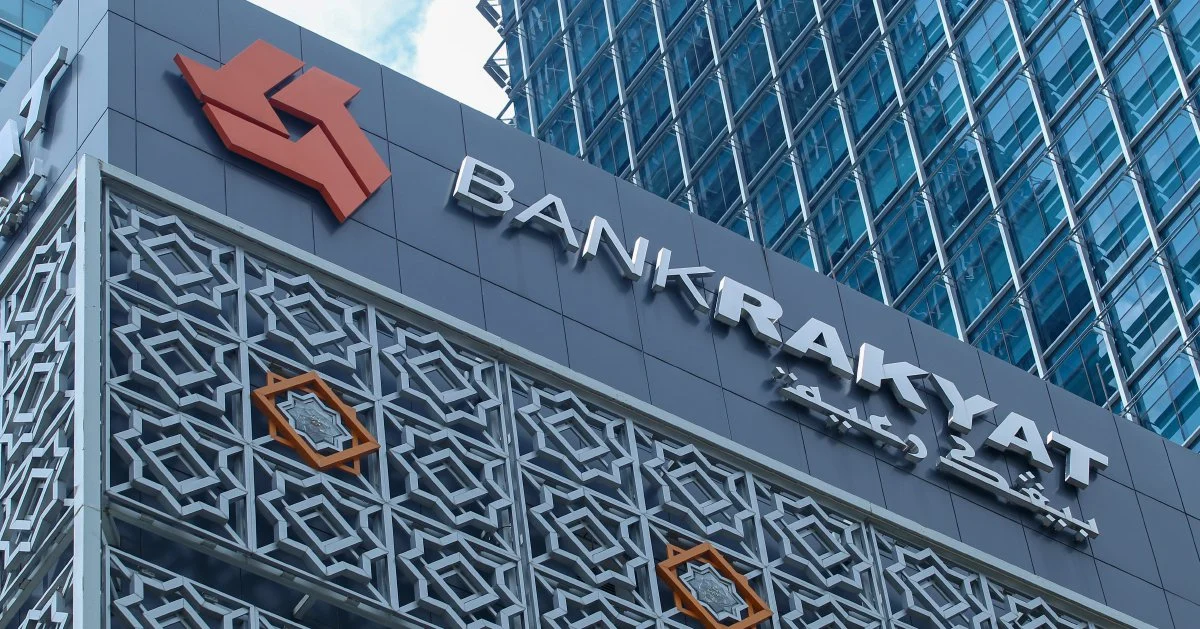
Bank Rakyat has completed a RM300 million sukuk issuance as part of its broader capital management strategy, drawing from its RM5 billion subordinated sukuk Murabahah framework to strengthen the institution's financial foundation and position itself for sustained growth ahead. This latest fundraising initiative reflects the microfinance bank's ongoing commitment to maintaining robust capital reserves in an increasingly competitive and regulated banking landscape where prudent capital management remains essential for long-term stability.
The sukuk market has emerged as a crucial alternative funding source for Malaysian financial institutions seeking to diversify their capital-raising channels beyond traditional debt instruments. Islamic finance instruments such as sukuk have become particularly attractive for institutions like Bank Rakyat, which caters primarily to lower-income segments of the Malaysian population. The Murabahah structure—a cost-plus-profit Islamic financing arrangement—aligns with the bank's values while providing investors with Shariah-compliant investment opportunities that have demonstrated consistent appeal among both local and regional investors.
Bank Rakyat's decision to tap the sukuk market underscores the growing maturity of Malaysia's Islamic finance ecosystem. The country has established itself as a global hub for Islamic banking and finance, with the sukuk market serving as a critical mechanism for financial institutions to raise capital while adhering to Islamic principles. For a bank focused on serving Malaysia's microfinance sector, leveraging this market provides competitive advantage by tapping investor bases that specifically seek Shariah-compliant instruments, thereby potentially achieving more favorable pricing and investor appetite than conventional bond issuances might generate.
The RM5 billion sukuk Murabahah programme framework demonstrates Bank Rakyat's confidence in its financial trajectory and its ability to service significant debt obligations. By establishing such a substantial facility, the bank signals to markets its intention to remain a significant capital raiser over the coming years. This approach allows the institution to issue sukuk incrementally as capital needs arise, rather than approaching the market for large one-off tranches that might face volatility or pricing pressures. The phased approach also provides flexibility to align issuances with optimal market windows.
Capital adequacy remains a fundamental concern for financial regulators worldwide, and Bank Rakyat's proactive capital-raising efforts align with broader regulatory expectations under frameworks such as Basel III, which Bank Negara Malaysia has implemented across the banking sector. By bolstering its capital position through sukuk issuance, Bank Rakyat strengthens its ability to absorb potential losses while continuing to extend credit to its target customer base. Microfinance institutions operate in segments where credit risk can be elevated due to borrower characteristics, making adequate capital buffers particularly important for institutional resilience.
The bank's growth trajectory in Malaysia's microfinance segment presents both opportunities and challenges. Access to affordable financing remains limited for many lower-income Malaysians, creating sustained demand for microfinance services. Bank Rakyat has positioned itself as a leading provider in this space, but realizing growth ambitions requires adequate capital to fund loan origination and maintain regulatory compliance. The sukuk issuance provides critical resources to pursue these strategic objectives while maintaining financial stability that would enable the institution to weather potential economic downturns or market disruptions.
Investor appetite for Bank Rakyat's sukuk likely reflects confidence in the institution's business model and management team. Sukuk investors conduct detailed due diligence on issuers, examining loan portfolios, operational efficiency, and management quality before committing capital. Strong investor demand for Bank Rakyat's issuance would suggest confidence in the bank's ability to generate returns and manage its microfinance portfolio effectively—an important signal given the inherent risks in lending to lower-income populations.
The issuance also demonstrates the deeper integration of Islamic finance into Malaysia's broader financial system. What was once considered an alternative financing approach has become mainstream, with even development-focused financial institutions routinely accessing sukuk markets. This evolution reflects both the preferences of Malaysian Muslim-majority investors and the commercial maturation of Islamic finance as a robust and efficient capital-raising mechanism. For international investors seeking Shariah-compliant exposures to Malaysian financial institutions, Bank Rakyat's sukuk offerings provide direct opportunities to participate in the country's microfinance growth narrative.
Looking forward, Bank Rakyat's capital enhancement through sukuk issuance positions the institution to capture growing opportunities in Malaysia's microfinance space. With heightened consumer awareness of available services and potential policy support for financial inclusion initiatives, demand for accessible microfinance products is likely to remain robust. A well-capitalized institution is better positioned to serve expanding customer bases, introduce innovative products, and manage credit quality across its portfolio. The sukuk approach also allows Bank Rakyat to engage sophisticated investors who appreciate both the financial returns and the development impact of supporting microfinance in an emerging market context, creating a compelling investment narrative that transcends pure financial metrics.
%22%2F%3E%3C%2Fpattern%3E%3C%2Fdefs%3E%3Crect%20width%3D%22100%25%22%20height%3D%22100%25%22%20fill%3D%22url(%23ph5hrpog)%22%2F%3E%3Crect%20width%3D%22100%25%22%20height%3D%22100%25%22%20fill%3D%22url(%23ph5hrpop)%22%2F%3E%3Ctext%20x%3D%2250%25%22%20y%3D%2250%25%22%20text-anchor%3D%22middle%22%20dominant-baseline%3D%22central%22%20fill%3D%22rgba(255%2C255%2C255%2C0.95)%22%20font-family%3D%22Georgia%2C%20'Times%20New%20Roman'%2C%20serif%22%20font-weight%3D%22700%22%20font-size%3D%22320%22%20letter-spacing%3D%22-0.02em%22%3EMuda%3C%2Ftext%3E%3C%2Fsvg%3E)
%22%2F%3E%3C%2Fpattern%3E%3C%2Fdefs%3E%3Crect%20width%3D%22100%25%22%20height%3D%22100%25%22%20fill%3D%22url(%23ph5936eg)%22%2F%3E%3Crect%20width%3D%22100%25%22%20height%3D%22100%25%22%20fill%3D%22url(%23ph5936ep)%22%2F%3E%3Ctext%20x%3D%2250%25%22%20y%3D%2250%25%22%20text-anchor%3D%22middle%22%20dominant-baseline%3D%22central%22%20fill%3D%22rgba(255%2C255%2C255%2C0.95)%22%20font-family%3D%22Georgia%2C%20'Times%20New%20Roman'%2C%20serif%22%20font-weight%3D%22700%22%20font-size%3D%22272%22%20letter-spacing%3D%22-0.02em%22%3EHeavy%3C%2Ftext%3E%3C%2Fsvg%3E)