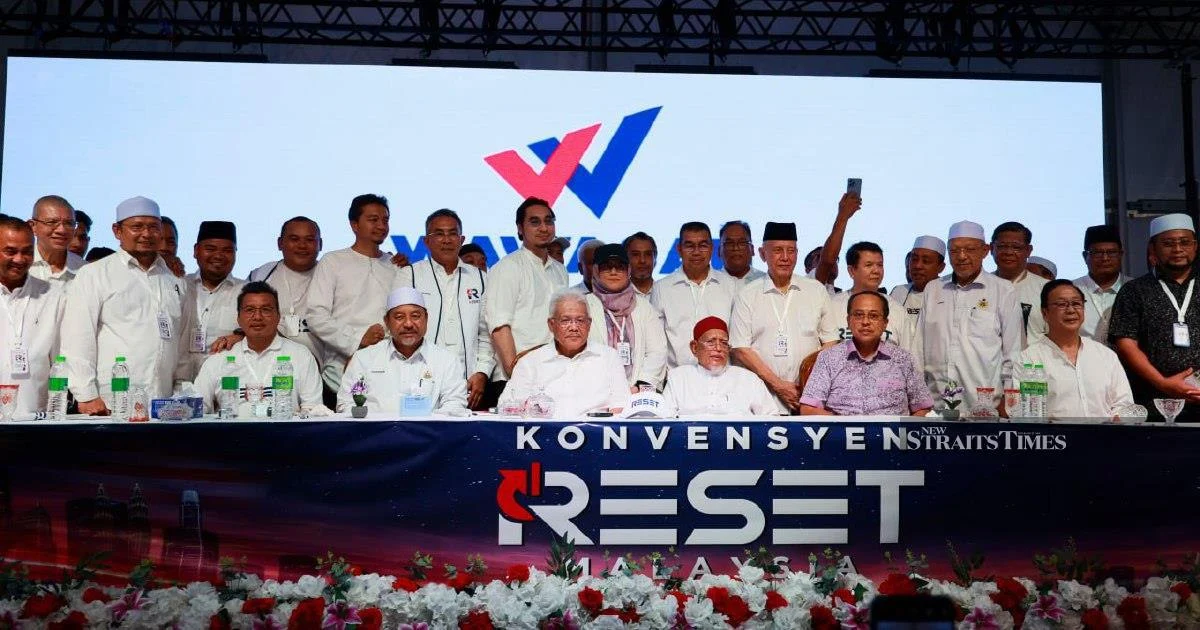
The stability of Perikatan Nasional faced renewed strain on Tuesday when coalition partner Bersatu publicly disputed the legitimacy of an emergency Supreme Council session convened the previous evening. The contentious gathering, presided over by PN chairman Muhyiddin Yassin, focused on admitting Wawasan—a newly registered political entity—into the opposition coalition's fold. Bersatu's intervention signals deepening fractures within the increasingly fragile PN alliance, exposing fundamental disagreements over procedural governance and decision-making authority that could reshape Malaysia's political landscape.
The core of Bersatu's complaint centres on allegations that the PN chairman circumvented established protocols by calling an emergency meeting without adequate notice or justification to the broader coalition membership. In Malaysian coalition politics, such procedural shortcuts typically require consensus or near-consensus support before major structural changes affecting all partners can proceed. By convening an emergency session, Muhyiddin appeared to invoke extraordinary powers reserved for genuine crisis situations—a move Bersatu characterizes as an overreach. The urgency with which the admission was pushed through suggests internal pressure within PN's leadership to expand its parliamentary numbers ahead of upcoming legislative sessions or potential electoral movements.
Wawasan's admission into PN carries significant implications for the coalition's composition and political positioning. As a new political party seeking mainstream acceptance, Wawasan's entry would theoretically strengthen PN's parliamentary representation and broaden its electoral reach across demographic or geographic constituencies previously underrepresented within the existing membership. However, the hasty nature of the decision raises questions about whether adequate due diligence was conducted regarding Wawasan's party structure, funding sources, leadership credentials, and ideological alignment with PN's stated principles. Malaysian political observers have grown accustomed to rapid coalition reshuffles, but transparency and procedural legitimacy remain crucial for sustained partnership stability.
Bersatu's public challenge reflects the party's determination to assert its weight within PN despite holding fewer parliamentary seats than some coalition partners. As the nominal chairman's party, Bersatu maintains institutional leverage to contest major decisions perceived as unilateral. This confrontation also illustrates how Muhyiddin's leadership style—characterized by swift executive action—occasionally generates resistance from coalition partners valuing consultation and consensus-building. The dispute threatens to embarrass PN publicly at a delicate moment when the coalition has positioned itself as a credible alternative government awaiting electoral opportunity.
The timing of this internal discord compounds PN's existing challenges on multiple fronts. The coalition remains divided over cooperation with PAS and other Islamist-leaning parties, struggles to present unified messaging on economic and social policies, and continues absorbing defections and loyalty questions from its component members. Bersatu's intervention now forces PN leaders to confront uncomfortable questions about whether the coalition possesses sufficient institutional discipline and shared values to function effectively as a governing alternative. Leadership clarity on decision-making procedures becomes essential for preventing future paralysis.
From a broader Malaysian perspective, this episode underscores how opposition coalitions formed primarily through electoral necessity rather than programmatic alignment frequently encounter governance challenges. PN's formation itself represented a political realignment born from internal upheaval, and its constituent parties—each pursuing distinct organizational agendas—have struggled to subordinate parochial interests to coalition-wide considerations. Wawasan's admission, presumably intended to strengthen PN's electoral prospects, now risks becoming a symbol of internal dysfunction rather than coalition expansion.
For Wawasan itself, this controversy presents an inauspicious introduction to major coalition politics. Rather than benefiting from a confident, consensual integration process, the party now finds itself caught in internal PN disputes over legitimate authority and proper procedure. Political entrepreneurs launching new parties often seek established coalition homes to accelerate credibility and access parliamentary platforms. However, admission through contested processes diminishes those benefits, potentially forcing Wawasan to navigate ongoing coalition tensions whilst simultaneously establishing its own distinct political identity and member loyalty.
The dispute also raises technical questions about PN's constitutional structures and decision-making protocols that require clarification. Coalition partners need transparent, agreed-upon mechanisms distinguishing routine operational matters from fundamental structural changes requiring broader consultation. If emergency meeting procedures lack clear definitional boundaries or oversight mechanisms, future disagreements become inevitable. Malaysian coalitions benefit when component parties establish clear constitutional frameworks preventing unilateral power exercises that undermine collective governance legitimacy.
Bersatu's challenge, whether or not it ultimately succeeds in invalidating the Wawasan admission, has accomplished one immediate effect: it forces PN to publicly acknowledge and address internal governance weaknesses before attempting to present itself as ready for governmental responsibility. Voters and potential coalition partners observe how existing alliances manage internal disputes, use such observations to assess reliability and institutional maturity. PN's response to Bersatu's objections will reveal whether the coalition can resolve disagreements through transparent dialogue or whether leadership tensions will continue destabilizing its credibility.

