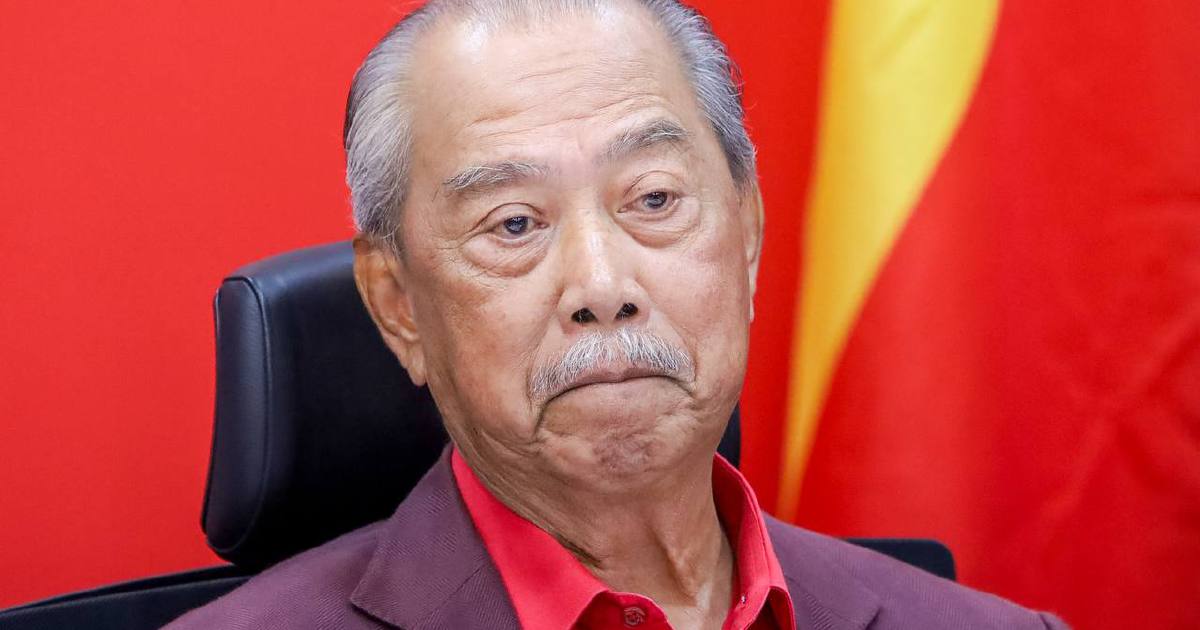
Parti Pribumi Bersatu Malaysia has signalled its firm intention to remain within Perikatan Nasional's fold, with party president Tan Sri Muhyiddin Yassin confirming the movement will fight upcoming state elections in Johor and Negri Sembilan under the opposition coalition's unified political branding. The announcement, made in Petaling Jaya, represents a significant statement of solidarity at a time when Malaysian political coalitions face mounting pressures from internal disagreements and electoral calculations.
The commitment carries particular weight given the volatile landscape of opposition politics in Malaysia, where alliances have repeatedly fractured over seat allocations, leadership disputes, and competing electoral ambitions. By publicly tethering Bersatu to Perikatan Nasional through the symbolic choice of contesting under a shared logo, Muhyiddin has effectively closed off immediate speculation about the party abandoning the coalition or pursuing independent candidacies in the two states. This consolidation of messaging signals an attempt to project organisational stability to party members and voters alike.
Johor and Negri Sembilan represent distinct electoral challenges for the opposition coalition. Johor, Malaysia's southernmost peninsula state, has been a Barisan Nasional stronghold for decades, though the 2022 state election saw a significant erosion of that dominance when Bersatu and its then-allies achieved unprecedented success. Negri Sembilan, meanwhile, has traditionally leaned towards the ruling coalition, but shifting demographic and political currents have created openings for opposition parties to gain traction in certain constituencies. Together, these contests will test whether Perikatan Nasional can consolidate recent electoral gains or whether the formation faces headwinds from reorganised government responses and internal fragmentation.
The decision to utilise the coalition logo rather than individual party symbols underscores Muhyiddin's strategic preference for presenting a unified opposition front. This approach reflects lessons learned from previous Malaysian elections, where fractured opposition votes allowed government-aligned parties to secure victories despite declining overall support. By subsuming Bersatu's own branding into the broader Perikatan Nasional identity, the party leadership appears to be prioritising electoral efficiency over individual party prominence, a calculus that suggests confidence in the coalition's broader appeal.
Yet the announcement also hints at ongoing internal negotiations within Perikatan Nasional itself. The specific commitment to contest Johor and Negri Sembilan using the coalition logo implicitly raises questions about other states and potential future elections. Whether Bersatu will maintain this unified approach in other contests, or whether different arrangements might apply to federal parliamentary seats or other state assemblies, remains unspecified. This ambiguity may reflect either ongoing discussions within the coalition about optimal vote-splitting strategies or a deliberate choice to leave room for flexibility as circumstances evolve.
Muhyiddin's confirmation of continued coalition membership carries implications for rival opposition formations as well. The Democratic Action Party and Amanah, which form part of the broader anti-government opposition bloc, will observe whether Perikatan Nasional's consolidation strengthens or complicates their own electoral positioning. In Malaysian politics, opposition cohesion and fragmentation often determine outcomes as much as government performance, making coalition stability a matter of significant strategic importance to competing opposition factions.
The timing of this announcement reflects the political calendar's quickening pace. State-level elections in Malaysia can be called with relatively short notice, and parties typically use pre-election periods to send clear signals about their strategic positioning. By stating intentions well in advance, Muhyiddin provides party members and potential voters with clarity about Bersatu's direction, reducing the likelihood of last-minute defections or confusion about candidate representation. This clarity-through-early-commitment approach has become standard practice in Malaysian electoral management.
For ordinary Malaysians, particularly in Johor and Negri Sembilan, this development means voters will face a clearer binary choice between government and opposition formations in those states, at least in terms of the symbols they encounter on ballots. The choice to contest under a single coalition logo simplifies messaging and prevents the voter confusion that can arise when multiple opposition parties campaign independently. Whether this translates into improved electoral prospects for Perikatan Nasional depends on numerous factors beyond coalition branding, including local constituency dynamics, candidate quality, and the government's performance record in those states.
Bersatu's continued commitment to Perikatan Nasional also reflects the party's own strategic vulnerability. As a relatively newer entrant to the Malaysian political landscape compared to established opposition parties, Bersatu has lacked the deep organisational infrastructure and voter loyalty networks of longer-established movements. Remaining within a broader coalition provides the party with access to shared resources, coordinated campaign machinery, and the legitimacy that comes from being part of a larger political formation. Independent contestation would expose Bersatu to much greater electoral risk and limit its influence in any potential future government formation.
The announcement further stabilises Muhyiddin's own position within Bersatu's leadership. Internal party challenges and speculation about his continuing effectiveness have periodically surfaced, and public reaffirmation of clear strategic direction strengthens his hand against potential rivals or dissidents. By making this announcement with apparent confidence and framing Bersatu's future in coalition terms, Muhyiddin demonstrates leadership decisiveness while simultaneously binding key party figures to a coherent electoral strategy they can rally around.
Moving forward, the performance of Bersatu and Perikatan Nasional in Johor and Negri Sembilan will significantly influence the coalition's trajectory nationally. These contests serve as important test cases for whether the opposition formation can maintain coherence and momentum ahead of the next federal general election, currently scheduled for 2027. Victory in either state would substantially enhance the coalition's credibility, while poor performance could reignite internal tensions and strategic recalculations. The stakes, therefore, extend well beyond these two states into the broader trajectory of Malaysian opposition politics.

