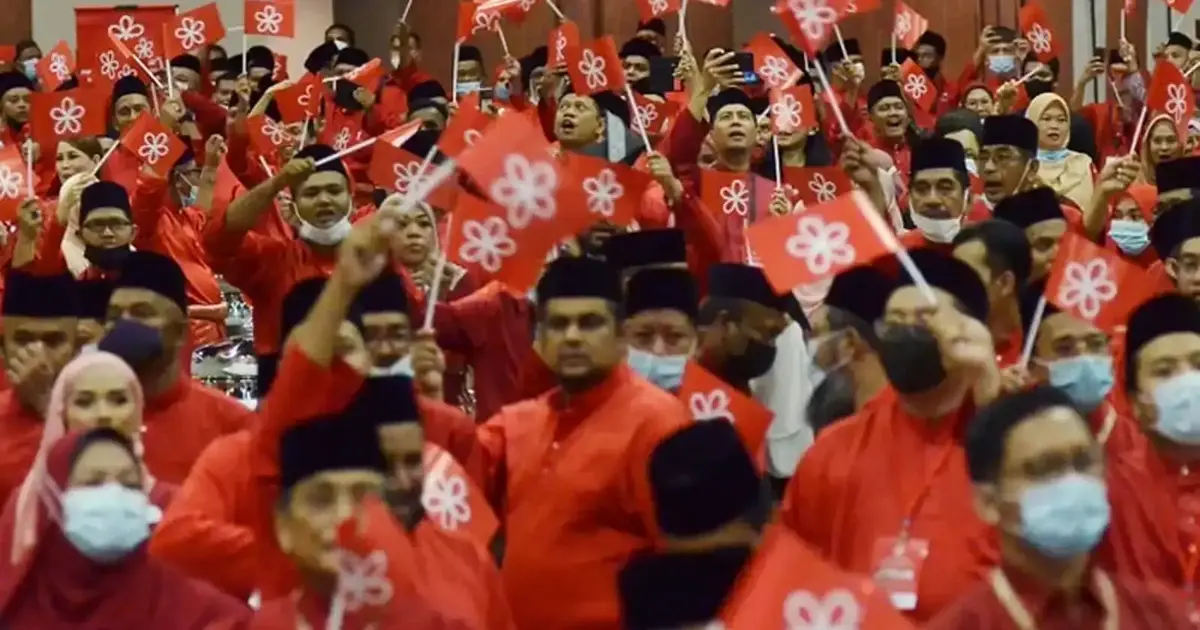
The fragility of Malaysia's opposition political architecture came into sharper focus this week when a prominent figure from PAS voiced scepticism about whether Bersatu can meaningfully persist as a functional member of the Perikatan Nasional coalition. PAS treasurer Iskandar Abdul Samad's comments reflect growing strain within an alliance that has struggled to maintain unity since the 2022 general election, casting doubt over the coalition's ability to present a coherent electoral challenge.
Iskandar's statement carries particular weight given PAS's dominant position within PN. As the largest party in the coalition and effectively its public face, PAS holds considerable sway in determining the alliance's strategic direction and membership terms. When such a senior figure begins questioning whether a coalition partner can viably remain within the group, it typically signals that behind-the-scenes negotiations or disagreements have reached a critical juncture.
Bersatu, led by former Prime Minister Muhyiddin Yassin, joined PN in 2020 following a dramatic political realignment that saw the collapse of the Pakatan Harapan government. The party brought considerable experience in government and served as a bridge between PAS's Islamist base and Muhyiddin's more technocratic approach to governance. However, the coalition's failure to retain federal power in the 2022 elections fundamentally altered the party's calculus and leverage within the alliance.
The challenges facing Bersatu within PN are multifaceted. The party's considerable smaller size compared to PAS creates an asymmetrical power dynamic that becomes increasingly difficult to manage when shared electoral victories cannot be delivered. Furthermore, Bersatu's recent moves have sometimes appeared to operate at cross-purposes with PAS's strategic priorities, creating friction over coalition decision-making and resource allocation for the next electoral cycle.
For Malaysian observers, the instability within PN carries significant implications for the broader political landscape. A weakened opposition alliance serves to strengthen the ruling Pakatan Harapan government's position, reducing pressure for policy accountability and potentially enabling a drift toward longer-term dominance. Yet simultaneously, a fracturing PN could trigger another round of party-hopping and political realignments, further destabilizing the already volatile Malaysian political environment.
The geographical and demographic complexity of Malaysian politics means that coalition arrangements substantially shape electoral outcomes. PN's presence in key states and strongholds in the Malay-Muslim heartland gives it considerable structural importance despite national polling challenges. If the coalition implodes or Bersatu is effectively sidelined, the resulting redistribution of seats, resources, and strategic partnerships could trigger a cascade of political repositioning across multiple parties.
Iskandar's critique likely reflects internal PN assessments about Bersatu's contributions to coalition objectives. The party's influence over selection of candidates, allocation of campaign resources, and strategic messaging has probably diminished relative to its founding expectations. From PAS's perspective, maintaining a smaller partner that cannot deliver electoral gains or strategic value represents a drain on coalition coherence without corresponding benefit.
Bersatu faces a difficult decision. The party could attempt to negotiate a recalibrated role within PN that better reflects its current position, potentially ceding some autonomy in exchange for continued alliance membership. Alternatively, the party might pursue closer alignment with other opposition figures or independents, potentially joining forces with other marginalised political actors to rebuild relevance outside the PN framework.
Regional observers particularly from Singapore, Indonesia, and Thailand watch these developments closely, as Malaysian political stability directly affects regional security cooperation and economic planning. A government weakened by internal coalition disputes may struggle to maintain consistent foreign policy positions or defence commitments, whereas excessive political fragmentation creates governance risks that concern neighbouring capitals.
The timing of Iskandar's remarks is strategically significant, arriving as parties begin positioning for the next general election. By publicly questioning Bersatu's viability, PAS establishes a narrative foundation for the party's potential departure from or effective exclusion from PN, avoiding blame for any coalition breakup while simultaneously signalling to other potential partners that membership carries performance expectations.
Bersatu must weigh the symbolic value of remaining within a formal coalition structure against the practical reality of diminishing influence and capacity to shape outcomes. If the party finds itself unable to contest meaningful numbers of seats or influence coalition strategy, the distinction between formal membership and practical irrelevance becomes merely academic.
Ultimately, Iskandar's statement reflects a broader pattern in Malaysian politics where coalition stability remains subordinate to electoral calculation. As long as parties believe they can achieve better outcomes independently or through alternative arrangements, adhesive forces holding alliances together remain weak. The trajectory of PN will depend substantially on whether Bersatu can convince its partners that the party still offers sufficient value to justify continued membership, or whether both sides eventually conclude that formal separation serves their respective interests.

