Barisan Nasional's strategy for the 16th Johor state election centres on recapturing lost ground within the Federal Land Development Authority settlements scattered across the Kulai parliamentary constituency. With nearly 7,000 registered voters spread across FELDA Taib Andak, FELDA Inas, FELDA Bukit Permai and FELDA Bukit Batu, these rural communities represent a critical voting bloc that the coalition hopes will swing decisively in its favour when polling opens on July 11.
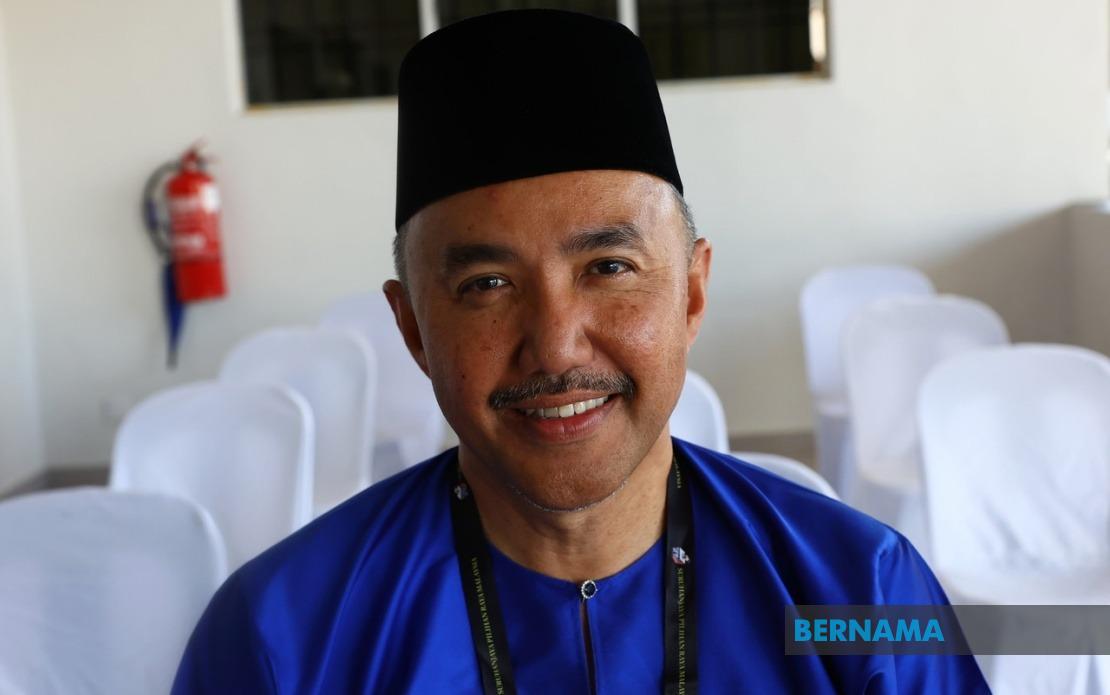
Datuk Mohd Jafni Md Shukor, chairman of the Kulai BN operation and the defending Bukit Permai state assemblyman, articulated the coalition's confidence during a campaign stop, pointing to tangible improvements in party fortunes within FELDA areas since the party's disappointing 2018 performance. The turnaround, he suggested, reflects both genuine policy wins and a strategic pivot by Menteri Besar Datuk Onn Hafiz Ghazi's administration to prioritise settler welfare—a demographic that had historically anchored BN's electoral dominance in Peninsular Malaysia's rural regions but has grown increasingly volatile in recent electoral cycles.
The coalition's renewed appeal to FELDA communities rests substantially on the state government's track record over the past four years. Beyond conventional campaign rhetoric, Jafni highlighted concrete interventions including educational support channelled through the Johor Education Foundation for FELDA children, an initiative designed to address long-standing complaints about disparities in opportunity between rural and urban constituencies. Such targeted social programmes reflect a calculated recognition that FELDA voters, while historically loyal to BN, have become more discerning consumers of government services and responsive to demonstration of tangible benefits.
A particularly significant achievement touted by Jafni concerns the resolution of land title disputes that have plagued FELDA settler communities for decades. With ownership applications now settled for 99.9 per cent of affected cases, the state government has addressed one of the most persistent grievances within the community—a matter that had previously driven defections to opposition parties. The symbolic and practical importance of this resolution cannot be understated in a constituency where land security and agricultural viability remain central to settler livelihoods.
Jafni's assessment that FELDA support improved in the 2022 state election compared to 2018 suggests the earlier interventions have begun yielding electoral dividends. In that contest, he himself secured a majority of 4,755 votes in Bukit Permai, indicating retention of his personal popularity and broader coalition momentum within the state seat. However, this modest improvement also hints that FELDA voters remain far from locked in, making sustained engagement and visible delivery of promises essential to maintaining gains.
The coalition's ambitions in Kulai extend beyond Jafni's seat. BN is simultaneously contesting Bukit Batu and Senai within the same parliamentary constituency, reflecting a comprehensive effort to dominate the area. This multi-pronged approach underscores recognition that FELDA communities do not vote in isolation—they are embedded within broader district dynamics where state and parliamentary-level contests intersect. A comprehensive BN victory across all three state seats would signal restored control of rural constituencies that form part of Johor's electoral foundation.
Jafni's appeal for voters to renew BN's mandate by granting a second term reveals an underlying vulnerability. The framing suggests the first term, while productive, represents merely groundwork for more substantial development initiatives. This two-term logic—common in state politics—implicitly acknowledges that four years may be insufficient time to reverse accumulated grievances or fully realise promised development projects. It also positions the election as a choice between continuity and risk, a potent message in constituencies where agricultural cycles and seasonal income patterns create preference for stable governance.
The contest for Bukit Permai has evolved into a four-cornered battle, with challengers emerging from Parti Bersama Malaysia, Pakatan Harapan and Perikatan Nasional. This fragmentation of the anti-BN vote could theoretically benefit Jafni, yet it also suggests that opposition sentiment remains diffused rather than consolidated around a single alternative. For FELDA voters weighing their options, multiple challengers offer choice but arguably reduce clarity about what opposition victory might entail for settler interests.
Within the broader Johor political landscape, the Kulai constituency's FELDA concentration renders it a barometer of rural sentiment more generally. If BN can demonstrate sustained improvement in these settlements, it suggests the coalition has credibly repositioned itself as a custodian of rural interests—a narrative essential for reclaiming ground lost during the 2018 political earthquake. Conversely, any significant slip in FELDA support would signal that opposition inroads into these traditionally secure constituencies have persisted despite government interventions.
The timing of early voting on July 7, followed by general polling on July 11, compresses the campaign period, placing premium value on voter mobilisation and turnout operations. For FELDA communities, where extended family networks and community leaders carry outsized influence, ground-level organising in the final campaign days becomes disproportionately important. BN's confidence therefore rests not only on policy achievements but also on its organisational capacity to translate satisfied voters into actual ballots cast.

