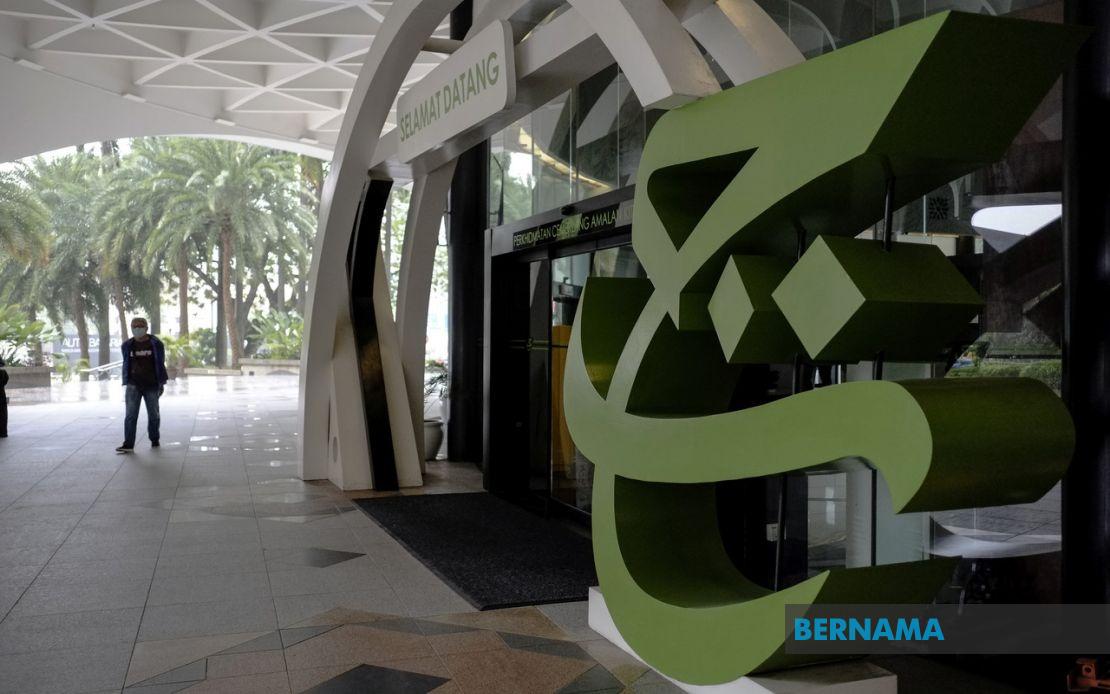
Malaysia's pilgrims' fund board, Lembaga Tabung Haji (TH), has reached a significant milestone in its troubled history. On July 29, 2026, the Cabinet formally approved the declassification and public release of a Royal Commission of Inquiry (RCI) report that examined institutional failures and financial mismanagement spanning the period from 2014 to 2020. This decision represents the government's confidence that the organization has sufficiently stabilized following one of the most serious financial crises to hit a Malaysian statutory body in recent memory.
The roots of Tabung Haji's crisis trace back several years before the public became aware of the severity of the situation. Between 2014 and 2017, the institution continued distributing profits known as hibah to depositors despite a fundamental mismatch between what it owned and what it owed. This practice, which appeared generous to Muslims saving for the hajj pilgrimage, masked deteriorating finances. By the final day of 2017, auditors discovered that Tabung Haji's recorded assets of RM70.3 billion fell short of its liabilities, which totalled RM74.4 billion. The gap represented a structural insolvency that threatened the savings of hundreds of thousands of Malaysian Muslims.
The full extent of the crisis became public knowledge in December 2018 when Datuk Seri Dr Mujahid Yusof Rawa, then Minister in the Prime Minister's Department for Religious Affairs, disclosed alarming findings from both the National Audit Department and Bank Negara Malaysia. The 2017 accounts showed a deficit of RM4.1 billion, while the cumulative gap between assets and liabilities had widened to RM10.9 billion. More immediately concerning was Bank Negara's assessment that Tabung Haji faced an imminent liquidity crisis, having experienced RM6 billion in depositor withdrawals over a compressed timeframe. Had confidence in the institution collapsed entirely, a cascading crisis affecting hundreds of thousands of Muslim families could have unfolded.
To prevent depositor panic and institutional collapse, the government moved swiftly with a major financial intervention. On December 31, 2018, using a specially created vehicle called Urusharta Jamaah Sdn Bhd (UJSB) under the Ministry of Finance, the government injected RM19.6 billion in sukuk securities and RM300 million in cash. This bailout aimed to restore Tabung Haji's balance sheet to health while preserving the life savings of depositors who had entrusted their funds to the board. For Malaysian Muslims, many of whom viewed their Tabung Haji accounts as religious savings accounts rather than commercial investments, the government support signalled that their deposits remained secure.
Parallel to the financial rescue, the government established accountability mechanisms to understand how such a situation had developed. In July 2021, Prime Minister Muhyiddin Yassin's administration authorized the creation of an RCI under the Commission of Inquiry Act 1950 to investigate TH's management and operations between 2014 and 2020. This inquiry was tasked with uncovering what went wrong, identifying responsible parties, and recommending systemic reforms to prevent recurrence. The decision to initiate an RCI signalled that the government took seriously its responsibility to investigate potential wrongdoing and negligence.
When the MADANI government took office in late 2022, it received the completed RCI report but made the strategic decision to withhold its public release. Rather than immediately declassifying the report, the administration prioritized allowing more time for Tabung Haji's management to implement stabilization measures and reforms. This postponement reflected a calculated judgment that releasing the report prematurely, while the institution remained in recovery mode, could trigger depositor anxiety and undermine confidence-building efforts. For a population already shaken by revelations of financial mismanagement at a trusted institution, continued stability was paramount.
The recovery efforts proved effective. In March 2026, Tabung Haji announced a profit distribution rate of 3.5 per cent for the 2025 financial year, signalling that the institution had returned to profitability. This distribution was not merely a numerical achievement; it represented tangible evidence that the institution could once again generate returns for depositors after years of deficit and bailout. For Malaysian Muslims planning hajj pilgrimages, the improved financial standing of their dedicated savings vehicle offered reassurance about the security of their accumulated funds.
The RCI report itself contained 25 recommendations designed to strengthen governance, risk management, and operational practices at Tabung Haji. By the time of its declassification, the institution's management had already implemented 75 per cent of these recommendations, indicating that reforms had begun well before the report became public. This implementation rate demonstrated that even without public scrutiny, Tabung Haji's leadership had been working to correct systemic weaknesses identified by the inquiry. The remaining recommendations will likely be addressed in the coming months as the institution continues its transformation.
The Cabinet's decision to release the RCI report reflects a broader commitment to transparency and accountability in governance. The report will be debated at a special sitting of the Dewan Rakyat, allowing parliamentarians and the public to scrutinize the findings and hold relevant parties accountable. Simultaneously, the Cabinet directed enforcement agencies to commence full investigations based on the report's findings, signalling that transparency would be paired with accountability. For Malaysians concerned about institutional integrity, this dual approach demonstrated the government's willingness to expose problems and pursue remedies.
The declassification of the RCI report carries significance beyond Tabung Haji itself. The crisis revealed vulnerabilities in how statutory bodies are audited, monitored, and governed. Other Malaysian institutions managing public funds, whether Islamic or secular, may examine their own controls and practices in light of what transpired at Tabung Haji. The detailed investigation into what happened between 2014 and 2020 offers valuable lessons about the importance of robust internal controls, independent oversight, and prompt intervention when warning signs emerge. For regional observers in Southeast Asia, the Malaysian experience demonstrates both the risks inherent in managing mass-participation savings schemes and the value of decisive government action in containing systemic financial crises.
Looking forward, the release of the RCI report marks a turning point in Tabung Haji's narrative. The institution has transitioned from crisis management to recovery and now toward accountability and learning. For the hundreds of thousands of Malaysians with savings in Tabung Haji, the combination of financial stabilization, profit distributions, and transparent investigation should restore confidence in an institution that plays a unique role in Islamic finance and Muslim religious practice in Malaysia. As the enforcement investigations proceed and parliament debates the findings, the public will gain fuller understanding of how such a significant institutional failure occurred and what safeguards are being implemented to ensure it does not recur.

