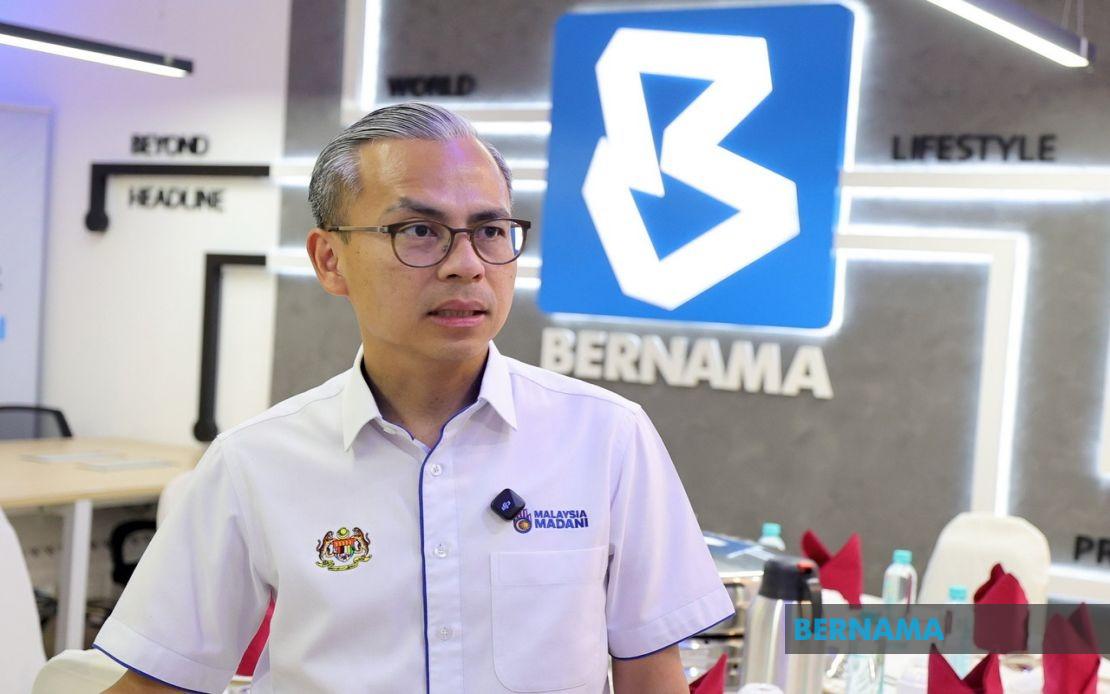
Malaysia's Cabinet has taken a significant transparency step by authorising the public disclosure of the Royal Commission of Inquiry report into Lembaga Tabung Haji, the nation's Islamic pilgrimage fund manager, on July 29. The decision marks an important development in addressing governance concerns at the institution, which manages savings and investments for Malaysian Muslims undertaking the hajj pilgrimage. Communications Minister Datuk Seri Fahmi Fadzil announced the Cabinet's approval to declassify the comprehensive report, which examines the organisation's operations during the critical six-year period from 2014 to 2020—a timeframe that encompassed significant regulatory and operational challenges within the financial services sector globally.
The deliberate release of the RCI findings reflects the MADANI Government's stated commitment to institutional transparency and public accountability in managing critical national assets. By moving to declassify the report rather than keeping it confidential, policymakers signal their intention to allow parliamentary scrutiny and public discourse around the governance issues identified. Prime Minister Datuk Seri Anwar Ibrahim had previously expressed confidence that the Cabinet would support publishing the inquiry's conclusions, effectively endorsing a more open approach to addressing TH's documented difficulties. This decision carries symbolic weight as it demonstrates the administration's willingness to subject institutions under government purview to democratic oversight, even when such revelations may prove politically sensitive.
The RCI report identifies 25 distinct recommendations aimed at strengthening Tabung Haji's operational and financial governance frameworks. These recommendations represent a comprehensive roadmap for institutional reform derived from the commission's investigation into the hajj fund's performance and management practices. The breadth of these suggestions indicates that investigators found systematic areas requiring improvement across various organisational functions, from investment strategy and risk management to internal controls and stakeholder communication. Rather than identifying a single crisis point, the recommendations appear to reflect a holistic reassessment of how the institution conducts its affairs.
Remarkably, Tabung Haji's senior management team has already progressed considerably in implementing these proposed reforms. The Cabinet was informed that the fund has successfully executed 75 percent of the recommendations contained in the RCI report. This substantial implementation rate suggests that TH leadership has not merely waited passively for the report's public release but has proactively commenced remedial actions. Such momentum indicates either that certain deficiencies were obvious to management prior to the formal inquiry's completion, or that TH's current leadership has genuinely committed to institutional transformation. For Malaysian Muslims who depend on TH's stewardship of their hajj savings, this progress offers some reassurance that corrective measures are underway.
The forthcoming parliamentary debate on the RCI report will provide lawmakers an opportunity to examine the inquiry's findings in detail and assess whether the implemented reforms adequately address underlying governance problems. Parliament's special sitting dedicated to tabling and debating the report ensures that elected representatives can question government officials and TH management regarding the report's contents and the adequacy of reform efforts. This legislative scrutiny serves as a crucial accountability mechanism, allowing MPs to raise constituent concerns and press for commitments regarding further action if necessary. The parliamentary forum also enables diverse political voices to contribute perspectives on whether the reforms sufficiently restore public confidence in the institution.
The decision to proceed with investigations beyond the RCI report's release indicates that the process of examining TH's governance is not concluding with the commission's work. Authorities appear committed to pursuing further inquiries where the evidence warrants such action, suggesting that certain findings may have potential legal or disciplinary implications for individuals or entities involved in decision-making during the 2014-2020 period. This continuation of investigative activity signals that declassifying the RCI findings is not intended as a final resolution but rather as an opening act in a longer accountability process. For stakeholders seeking justice or remediation for losses incurred during TH's troubled period, the promise of ongoing investigations provides some prospect that consequences may follow for any misconduct identified.
Tabung Haji's institutional challenges have attracted considerable attention from Malaysian policymakers and the public in recent years, particularly regarding the fund's investment performance and financial health. As a critical savings mechanism for millions of Malaysian Muslims preparing for their pilgrimage to Mecca, the institution holds profound significance beyond mere financial considerations—it represents a sacred trust entrusted to government stewardship. The RCI inquiry was established to examine this trust comprehensively and determine how effectively TH discharged its fiduciary responsibilities. By releasing the report publicly, authorities acknowledge that transparency regarding this sacred trust is essential to maintaining public confidence in the institution's management.
The international context for such financial inquiries has shifted significantly toward greater transparency and public disclosure, particularly following various corporate governance scandals worldwide. Malaysia's decision to release the TH RCI report aligns with emerging global norms favouring institutional openness rather than confidentiality. This positioning may also influence how Malaysian regulators approach future investigations into other major government-linked institutions, potentially establishing a precedent for greater public access to inquiry reports rather than treating them as classified government documents. The approach reflects a broader regional trend toward governance transparency that now characterises more mature institutional frameworks across Southeast Asia.
For the broader Malaysian investment and fund management community, the RCI report and subsequent parliamentary debate may yield insights into regulatory expectations and compliance standards that authorities consider non-negotiable for major financial institutions. The recommendations embedded in the report likely contain guidance applicable beyond Tabung Haji itself, offering the industry signposts regarding governance, risk management, and investor protection priorities. This spillover effect means that fund managers, asset custodians, and financial service providers across Malaysia may need to review their own practices against the standards implicitly endorsed through the RCI findings. The transparency surrounding the inquiry thus serves an educational function for the broader financial sector.
The Cabinet's decision ultimately represents a balance between acknowledging institutional shortcomings and demonstrating confidence in management's capacity to implement reforms. By approving public release while simultaneously noting that 75 percent of recommendations have already been executed, authorities present a narrative of accountability coupled with remediation. This framing allows government to acknowledge that problems existed without appearing to have presided over institutional collapse or gross malfeasance. For Malaysian stakeholders—whether hajj pilgrims, TH members, parliamentary observers, or financial regulators—the coming parliamentary debate and any subsequent investigations will determine whether this narrative of managed reform sufficiently addresses underlying governance concerns or whether more fundamental restructuring proves necessary.

