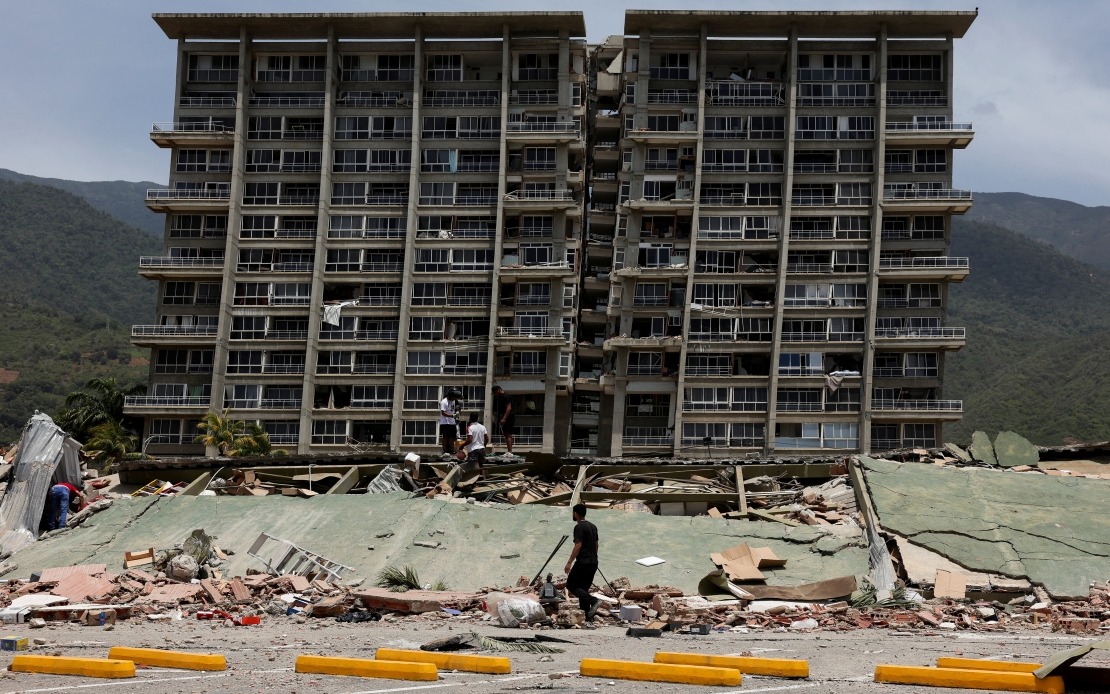
Canada has announced an immediate commitment of US$5 million in humanitarian assistance to address the catastrophic aftermath of recent earthquakes that have struck Venezuela, with Foreign Minister Anita Anand emphasising her country's solidarity with the affected population. The allocation represents a rapid response to what officials have described as a disaster of significant proportions, with the true extent of human suffering and material destruction still being assessed by international relief agencies on the ground.
The devastating seismic events have resulted in what Canadian government sources characterise as "immense loss of life and widespread damage" across multiple regions of the South American nation. Initial reports indicate that hundreds of thousands of residents face immediate hardship due to destroyed homes, compromised infrastructure, and disrupted supply chains. The cascading humanitarian consequences extend beyond the immediate earthquake impact, as damaged facilities and communication networks have complicated the delivery of essential services to vulnerable populations requiring urgent medical attention and shelter.
Canadian officials acknowledged the fluid nature of the crisis, noting that the full humanitarian toll continues to emerge as relief teams gain access to remote and heavily affected communities. This uncertainty underscores the importance of flexible funding mechanisms that can be rapidly deployed as needs become clearer. The ministry responsible for international development indicated that monitoring systems remain active and updated assessments will guide how the newly committed funds are distributed among priority areas requiring immediate intervention.
The US$5 million allocation will be channeled through experienced humanitarian organisations already operating in Venezuela, targeting the most acute needs across four critical domains. Emergency food distribution programmes will ensure that displaced families and those trapped in affected areas have access to basic nutrition during the recovery phase. Clean water and sanitation infrastructure support addresses the disease outbreak risks that invariably follow major earthquakes when water systems are contaminated and sewage systems fail. Healthcare delivery mechanisms will receive backing to treat injuries, provide maternal care, and maintain vaccination and disease prevention programmes that deteriorate during such crises. Logistics coordination and protection services will help ensure vulnerable groups, including women and children, receive appropriate support and security as they navigate displacement and recovery.
This fresh commitment builds upon Canada's existing humanitarian engagement with Venezuela, where the country had previously allocated nearly US$4.5 million during the current calendar year to address ongoing humanitarian challenges. Combined, this brings Canada's humanitarian investment in Venezuelan relief to approximately US$9.5 million, positioning the country among significant international donors responding to the emergency. The cumulative approach reflects recognition that Venezuela's humanitarian needs extend beyond the immediate earthquake crisis, encompassing broader development and social welfare challenges that have characterised the nation in recent years.
The Canadian government's response mechanism demonstrates how wealthy nations coordinate rapid humanitarian assistance through multilateral channels and established partnerships with non-governmental organisations. Rather than creating parallel aid structures, Canada's approach leverages the existing institutional capacity and field presence of humanitarian organisations already trusted and operational within Venezuela. This methodology reduces bureaucratic delays and maximises the proportion of funds reaching beneficiaries, avoiding overhead expenditures that can diminish aid effectiveness.
For Malaysia and Southeast Asian nations, Canada's response offers instructive lessons regarding earthquake preparedness and international humanitarian coordination. The region remains vulnerable to similar seismic events, particularly nations positioned along the Pacific Ring of Fire and areas with active fault lines. Observing how developed democracies mobilise resources, coordinate with regional partners, and maintain engagement with humanitarian organisations provides valuable benchmarks for ASEAN preparedness frameworks and mutual assistance protocols.
Foreign Minister Anand's personal statement emphasising that "families had lost loved ones and communities had been torn apart" reflects the emotional dimension of humanitarian diplomacy that transcends traditional international relations. The explicit acknowledgment that "Canada stands with the people of Venezuela" signals commitment beyond monetary contribution, suggesting ongoing diplomatic engagement as the recovery process unfolds over months and years. Canadian officials indicated they remain actively consulted with regional partners and humanitarian bodies, positioning Canada as a participant in the broader international response rather than merely a financial contributor.
The announcement of further funding details in the coming days suggests that Canadian government processes involve deliberate assessment phases before full resource allocation. This measured approach, while ensuring rapid initial response, allows for strategic prioritisation as ground assessments clarify which sectors face the most critical bottlenecks. Healthcare facilities requiring equipment, logistics hubs needing supplies, and displacement centres demanding immediate shelter represent competing priorities that competing humanitarian actors must navigate through coordinated planning mechanisms.
For Venezuelan citizens and international observers, the Canadian commitment represents a tangible expression of global interdependence and humanitarian principle during crisis moments. While US$5 million represents a significant but ultimately limited contribution relative to the total rehabilitation needs following major earthquakes, it demonstrates how multiple donor nations collectively mobilise resources to alleviate suffering. The timeliness of Canada's announcement—occurring within days of the seismic events—reflects communication protocols and decision-making efficiency that distinguish rapid humanitarian response systems from bureaucratic delays that sometimes plague international aid delivery.

