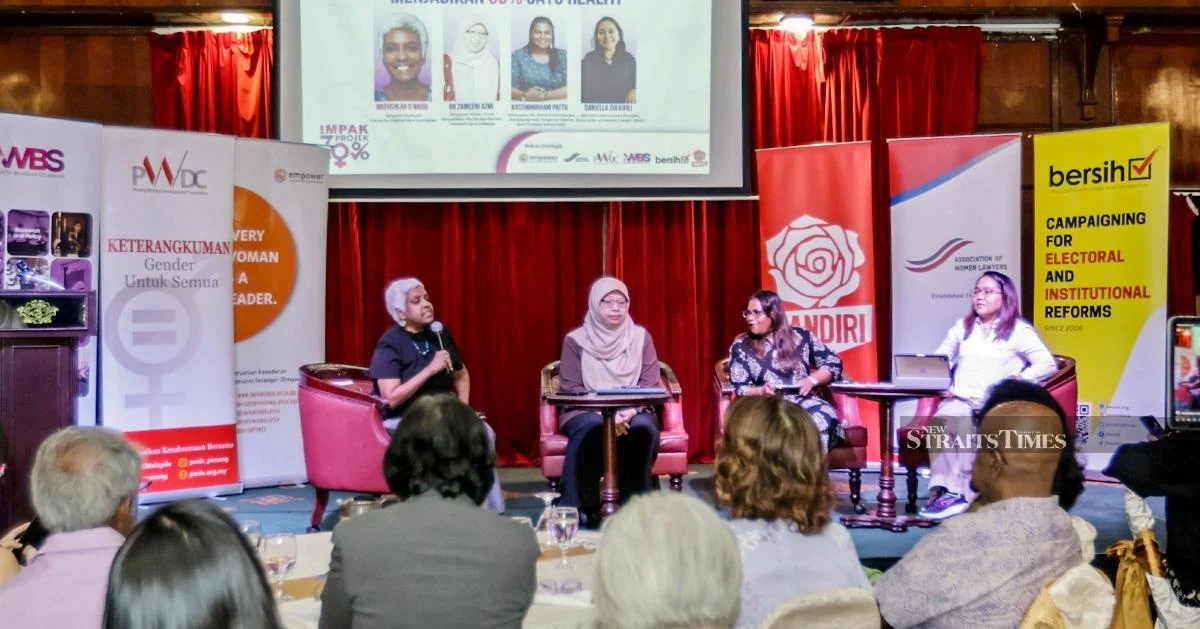
A broad coalition of civil society organisations has formally presented the government with both a memorandum and draft legislation aimed at mandating greater representation of women in electoral politics. The submission, made in Kuala Lumpur, specifically targets the next general election and seeks to compel political parties to nominate at least 30 per cent women candidates across their respective slates. This initiative represents a concerted effort by advocacy groups to institutionalise gender representation in Malaysia's electoral framework through legislative means rather than relying on voluntary party commitments.
The 30 per cent threshold has emerged internationally as a widely recognised benchmark for women's political participation, often referred to as a critical mass figure that allows women legislators to meaningfully influence legislative agendas and parliamentary dynamics. By proposing this specific percentage, the coalition anchors its demands in established global standards whilst remaining cognisant of Malaysia's current demographic and political realities. The choice of general election as the implementation deadline suggests these groups view the electoral cycle as a pivotal moment for systemic reform, when manifestos are drafted and candidate selections are typically finalised.
This submission arrives amid ongoing global debates about gender parity in political institutions. Malaysia has historically lagged several regional peers in women's parliamentary representation, with female lawmakers comprising a modest proportion of elected representatives across both federal and state legislatures. The intervention by civil society groups highlights growing domestic momentum for institutional change rather than incremental progress, reflecting broader recognition that voluntary measures alone have failed to substantially shift the demographic composition of Malaysian politics. The draft legislation approach suggests advocates view legal mandates as the most viable pathway to achieving meaningful targets within compressed timeframes.
The memorandum accompanying the draft law likely outlines arguments grounded in both constitutional principles and practical governance benefits. Proponents of such gender quotas typically emphasise how women's participation enriches legislative deliberation by introducing diverse perspectives, enhancing policy responsiveness to family-centric issues, and strengthening democratic legitimacy by ensuring half the electorate enjoys proportionate representation. For Malaysian audiences, these arguments resonate with constitutional guarantees of equality and existing commitments to gender development outlined in various national plans and UN conventions that Malaysia has ratified.
Implementing such legislative requirements would necessitate substantial coordination between the government, political party structures, and electoral management authorities. Political parties would face operational pressures to identify, recruit, and nominate qualified women candidates within timeframes that may be compressed, particularly if the law is enacted close to an electoral cycle. Larger parties with established women's wings and networks might navigate this transition more smoothly, whilst newer or smaller parties could encounter greater resource constraints. The transition period between enactment and implementation thus becomes crucial for determining the practical feasibility and political viability of any such mandate.
Resistance to gender quota legislation often emerges from political quarters concerned about merit-based selection processes or internal party autonomy. Critics argue that prescribed percentages might pressure parties to prioritise gender over candidate qualifications, potentially weakening legislative capability. However, comparative evidence from other democracies—including several within Southeast Asia—demonstrates that properly calibrated quota systems can operate alongside robust candidate vetting mechanisms. The framing of the 30 per cent target as a minimum rather than maximum also allows flexibility for parties to exceed the threshold where viable candidates are available.
Regional context provides instructive precedents for Malaysia's consideration. Several ASEAN nations and other Asian democracies have implemented mandatory or party-based gender quotas with varying degrees of success and resistance. Thailand, for instance, requires political parties to nominate women candidates for a specified proportion of seats, whilst Indonesia's quota system has yielded measurable increases in female legislative participation across multiple electoral cycles. These examples demonstrate both the feasibility of quota implementation within Asian political contexts and the diverse approaches available to policymakers seeking similar outcomes.
The timing of this submission carries strategic significance within Malaysia's political calendar. Positioning the proposal well in advance of the next general election allows for public consultation, parliamentary debate, and party adaptation. It also enables civil society to frame the proposal as part of broader pre-electoral discourse rather than as a last-minute intervention. For political parties considering their positioning on this issue, early submission provides time to either embrace the proposal as part of their gender equality commitments or articulate alternative frameworks for enhancing women's representation.
Successful implementation would likely generate ripple effects across Malaysia's political ecosystem. Enhanced women's presence in parliament could catalyse shifts in committee composition, leadership appointments, and legislative priorities. Research from comparable settings suggests that critical mass thresholds around 30 per cent do correlate with measurable changes in parliamentary culture and policy focus. For Malaysia specifically, such shifts might influence debate trajectories around family law, workplace protections, and social welfare—areas where women legislators have historically advocated particularly vigorously.
The civil society coalition's strategic choice to submit draft legislation rather than merely advocate for voluntary commitments reflects sophisticated understanding of Malaysia's political dynamics. Legislation creates enforceable obligations that transcend individual political leaders' preferences and institutional resistance. By presenting both memorandum and draft law, the coalition signals readiness for immediate parliamentary consideration and demonstrates serious engagement with the legislative process rather than rhetorical advocacy.
Looking ahead, the government's response will signal its commitment to gender parity in political institutions. Whether the proposal advances to parliamentary discussion, faces revision, or encounters indefinite delay will shape civil society's future advocacy strategies and broader perceptions of Malaysia's dedication to inclusive democratic governance. This moment represents a test case for whether Malaysia can move beyond aspirational gender rhetoric towards binding institutional reform.

