Prime Minister Datuk Seri Anwar Ibrahim has introduced a significant procedural safeguard for the media industry, directing that complaints lodged against journalists from established news organisations will no longer trigger automatic investigations or prosecutorial measures. Instead, all such grievances must be channelled through the Malaysian Media Council (MMM) as an intermediary body responsible for conducting an independent and transparent preliminary assessment before any government action is initiated.
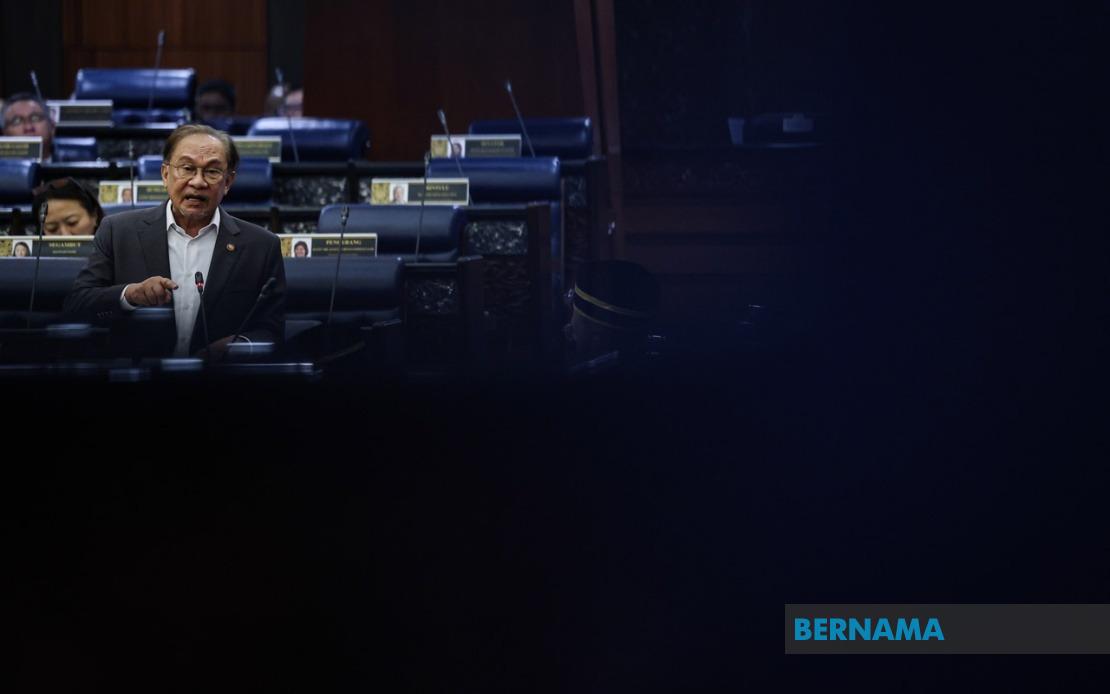
The mechanism represents a deliberate policy shift aimed at protecting media practitioners from what the government characterises as frivolous or politically motivated complaints that could otherwise expose them to unwarranted legal jeopardy. Speaking during Question Time in the Dewan Rakyat, Anwar emphasised that the creation of this institutional buffer reflects a commitment to ensuring fairness in the treatment of journalists while maintaining the rule of law. The Prime Minister stressed that journalists should not face prosecution or investigation merely because a complaint has been filed, and that the MMM would serve as a critical filtering mechanism to evaluate the merit and legitimacy of allegations before formal proceedings commence.
The announcement carries particular significance given Malaysia's existing legal landscape, which permits the prosecution of journalists under archaic statutes such as the Sedition Act 1948 and the Official Secrets Act 1972. These provisions have long drawn criticism from international media freedom advocates and domestic civil society organisations, who argue that their broad formulations and vague terminology create a chilling effect on investigative journalism and reporting on matters of genuine public interest. The concern has been that overzealous government officials or aggrieved parties could weaponise these laws to suppress critical coverage or silence inconvenient reporting.
Anwar explicitly acknowledged that no jurisdiction grants absolute freedom to press practitioners, noting that both journalists and government officials remain subject to legal constraints. However, he articulated a principled distinction between legitimate enforcement of laws and the targeting of media professionals who are simply discharging their professional duties. His position suggests recognition that the mere lodging of a complaint should not automatically expose journalists to the machinery of state prosecution without intermediate scrutiny and evaluation.
The establishment of the MMM as a gatekeeper for enforcement action effectively creates a new institutional dynamic within Malaysia's press regulation ecosystem. Rather than responding directly to complaints through police investigations or prosecutorial agencies, government departments and other complainants must now present their cases to the Media Council, which will presumably assess whether the conduct in question constitutes genuine misconduct warranting further action. This procedural innovation aims to depoliticise the complaint-resolution process and reduce the likelihood that ordinary journalism activities—such as reporting on government criticism or institutional failures—become the basis for legal harassment.
For Malaysian media organisations and journalists, particularly those operating within the boundaries of recognised news outlets, this directive offers tangible operational protection. The requirement to navigate through the MMM before facing investigation or prosecution essentially grants journalists a preliminary opportunity to address allegations through a specialised body with expertise in media ethics, professional standards, and the legitimate scope of press freedom. This is particularly relevant given that many complaints against journalists stem from tensions between the government's desire to control its public image and journalists' professional obligation to report facts and pursue accountability.
The MMM itself represents an institutionalisation of self-regulatory principles, reflecting a model whereby the media industry bears some responsibility for maintaining professional standards and ethical conduct. By positioning the council as the first level of review, the government theoretically signals confidence in the media's capacity for self-correction and acknowledgement that independent journalism often serves important social functions. However, the effectiveness of this mechanism will depend critically on how the MMM is constituted, whether it operates with genuine independence from political influence, and whether government agencies genuinely respect its determinations or simply use it as a procedural hurdle to be overcome.
International media freedom frameworks have long warned against laws that enable easy prosecution of journalists on vague grounds. The Sedition Act and Official Secrets Act, both vestiges of colonial-era legislation, remain on Malaysia's books despite their acknowledged role in restricting legitimate press activity. While Anwar's procedural innovation does not repeal these statutes, it does introduce an institutional check on their application. The practical impact will be whether the MMM functions as a genuine protective barrier or merely becomes another bureaucratic step through which complaints still eventually proceed to prosecution.
The timing of this announcement suggests a deliberate effort by the Anwar administration to signal a more tolerant stance toward critical reporting and investigative journalism compared to previous administrations. This positioning is significant within Malaysian politics, where accusations of press suppression have historically damaged governments' international reputations and created tensions with media organisations. By establishing this framework, Anwar appears to be attempting to distinguish his government's approach from that of his predecessors while still maintaining the formal legal authority to prosecute journalists when deemed necessary.
Median observers will note that despite these protective measures, journalists remain technically subject to prosecution under laws that lack clear definitions of prohibited conduct. The Sedition Act, for instance, criminalises speech that promotes ill will or discontent between groups based on provocative interpretations of intent. An MMM referral requirement, while procedurally significant, does not fundamentally alter the substantive risks posed by these statutes to journalists investigating sensitive topics such as government corruption, military procurement irregularities, or potential religious tension. The council's role is therefore confined to preliminary assessment rather than substantive repeal of problematic legislation.
For Southeast Asia's broader media landscape, Malaysia's approach offers an interesting middle position between outright press suppression and strong constitutional protections. While countries such as Singapore and Vietnam maintain more robust mechanisms for controlling media narratives, and others like Indonesia and the Philippines enjoy stronger formal press freedoms, Malaysia has historically occupied an uncomfortable space where press freedom exists on paper but faces practical constraints through legal provisions. The MMM innovation represents an attempt to address this tension without fundamentally restructuring the legal framework.
Government officials, media organisations, and civil society groups will now observe how this mechanism functions in practice. Whether the MMM genuinely insulates journalists from malicious complaints or becomes merely a procedural formality preceding inevitable prosecution will determine whether this represents genuine progress toward a more permissive media environment or simply a tactical manoeuvre designed to create the appearance of reform. The implementation of Anwar's directive will ultimately reveal whether institutional innovation can meaningfully alter the practical operating space available to Malaysia's journalists.

