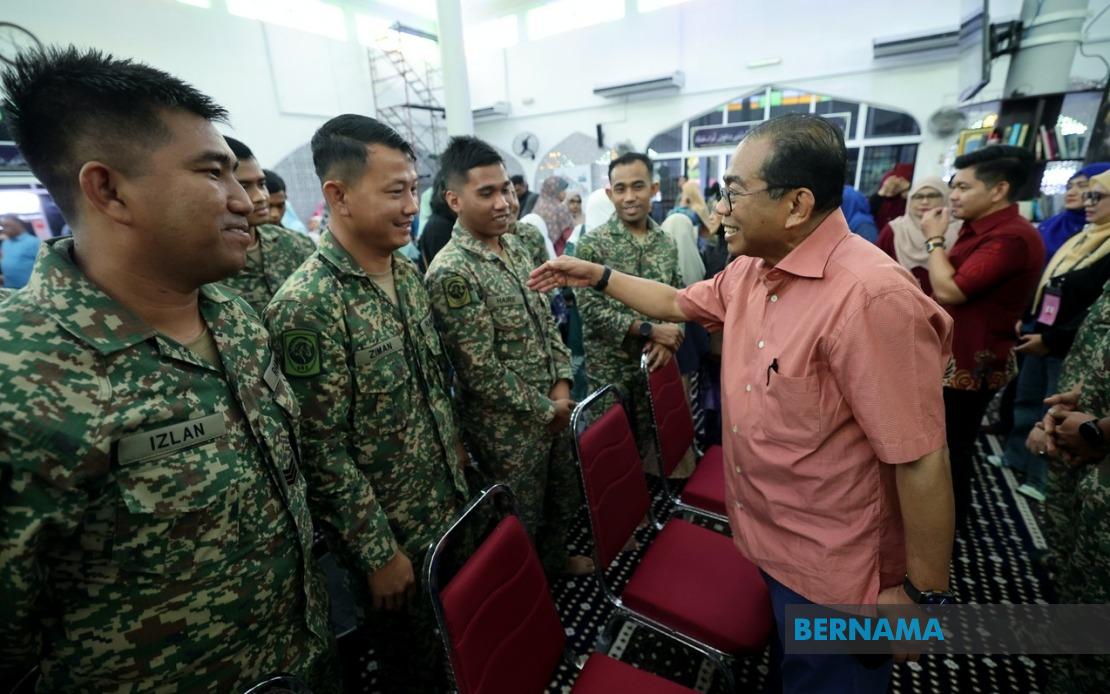
Defence Minister Datuk Seri Mohamed Khaled Nordin has indicated that the inquiry into a fatal grenade blast at Hobart Camp in Gurun will be completed by the middle of July, marking a significant milestone in Malaysia's examination of training exercise safety within its armed forces. The minister made the announcement while attending the 'Ilmu dan Muafakat' programme at Felda Air Tawar 2 in Kota Tinggi, signalling that authorities are moving swiftly to understand how the incident unfolded and what systemic failures may have contributed to the tragedy.
The explosion that occurred on June 16 at approximately 10.57 am resulted in the deaths of Corporal Norazmi Abu Bakar from the Sixth Battalion, Royal Malay Regiment and Private Siti Khadijah Sungip from the First Squadron, Royal Engineers Regiment. Both personnel sustained severe injuries during what was designated as a standard training exercise, and despite rapid evacuation to Sultan Abdul Halim Hospital in Sungai Petani, both were pronounced dead en route. The dual fatalities represent a significant loss for the Malaysian military establishment and have intensified scrutiny around training protocols.
What distinguishes this situation from typical operational accidents is the clustering of serious incidents within a remarkably short timeframe. Merely two weeks after the fatal explosion, on June 29, another accident unfolded at the identical location when a firearm discharged unexpectedly during a combat enhancement training exercise at 6.15 pm. This second occurrence involved Sergeant Mohamad Firdaus Che Shaharudin and Corporal Felix Franchis of the Fourth Battalion, Royal Ranger Regiment, who suffered leg injuries from shrapnel. The proximity of these two incidents has raised legitimate questions about whether Hobart Camp's operational procedures, supervision standards, or equipment maintenance protocols may require substantial overhaul.
The Defence Minister's acknowledgement that the Malaysian Army has been instructed to undertake a comprehensive review of its training methodology reflects official concern that isolated procedural lapses may not fully explain the pattern of accidents. By explicitly directing the military to examine whether additional shortcomings exist beyond those identified in the initial investigation, Mohamed Khaled has signalled that authorities are thinking expansively about what might have gone wrong. This approach suggests recognition that both incidents may stem from interconnected vulnerabilities rather than unrelated mishaps.
Mohamed Khaled was careful to emphasise that definitive corrective measures will only be implemented after the investigation's conclusions are formally transmitted to the Defence Ministry. This measured stance acknowledges the importance of evidence-based decision-making rather than rushing to implement changes based on preliminary assumptions. Nevertheless, the directive to review training approaches indicates that leadership is not passively awaiting findings but actively preparing the groundwork for potential systemic improvements across military training operations.
For Malaysia's military community, these developments carry profound implications regarding force readiness and personnel confidence. Military training inherently involves calculated risks, yet the accumulation of serious incidents within weeks at a single facility suggests that risk management systems may have become inadequate or that supervision has deteriorated. Personnel deployed to training exercises expect that institutional safeguards have been rigorously implemented to minimise preventable harm, and lapses in this regard undermine morale and operational effectiveness.
From a broader regional perspective, Malaysia's approach to investigating military accidents reflects standards expected of professional armed forces within Southeast Asia. The commitment to transparent inquiry and systematic review, rather than deflecting responsibility, aligns Malaysia with contemporary military practices emphasised by regional defence establishments. Nevertheless, the apparent pattern of incidents at Hobart Camp suggests that Malaysia's training infrastructure may require modernisation to match evolving safety expectations.
The investigation's expected mid-July submission represents a crucial juncture for Malaysian defence leadership to publicly demonstrate how lessons from these tragedies will inform operational changes. Stakeholders will closely examine whether the findings identify specific failures in equipment, personnel qualifications, supervisory protocols, or training design. The credibility of Malaysia's military institution partly depends on transparent acknowledgement of shortcomings and demonstrated commitment to preventing recurrence.
Looking forward, the Defence Ministry faces pressure to ensure that whatever corrective measures emerge from this inquiry are comprehensively implemented across the military training establishment, not merely at Hobart Camp. If systemic vulnerabilities contributed to these incidents, similar risks may manifest at other training facilities unless addressed holistically. The ministry's handling of these recommendations will signal whether institutional learning has genuinely occurred or whether improvements will remain superficial and temporary.
For Malaysian society, the loss of these two military personnel represents a sobering reminder that training exercises, while essential for operational preparedness, carry real consequences when safety protocols prove inadequate. The nation's armed forces deserve institutional support and resources necessary to conduct training with proper safeguards, and leadership's commitment to investigating thoroughly and implementing genuine reforms represents the minimum obligation to those who serve.

