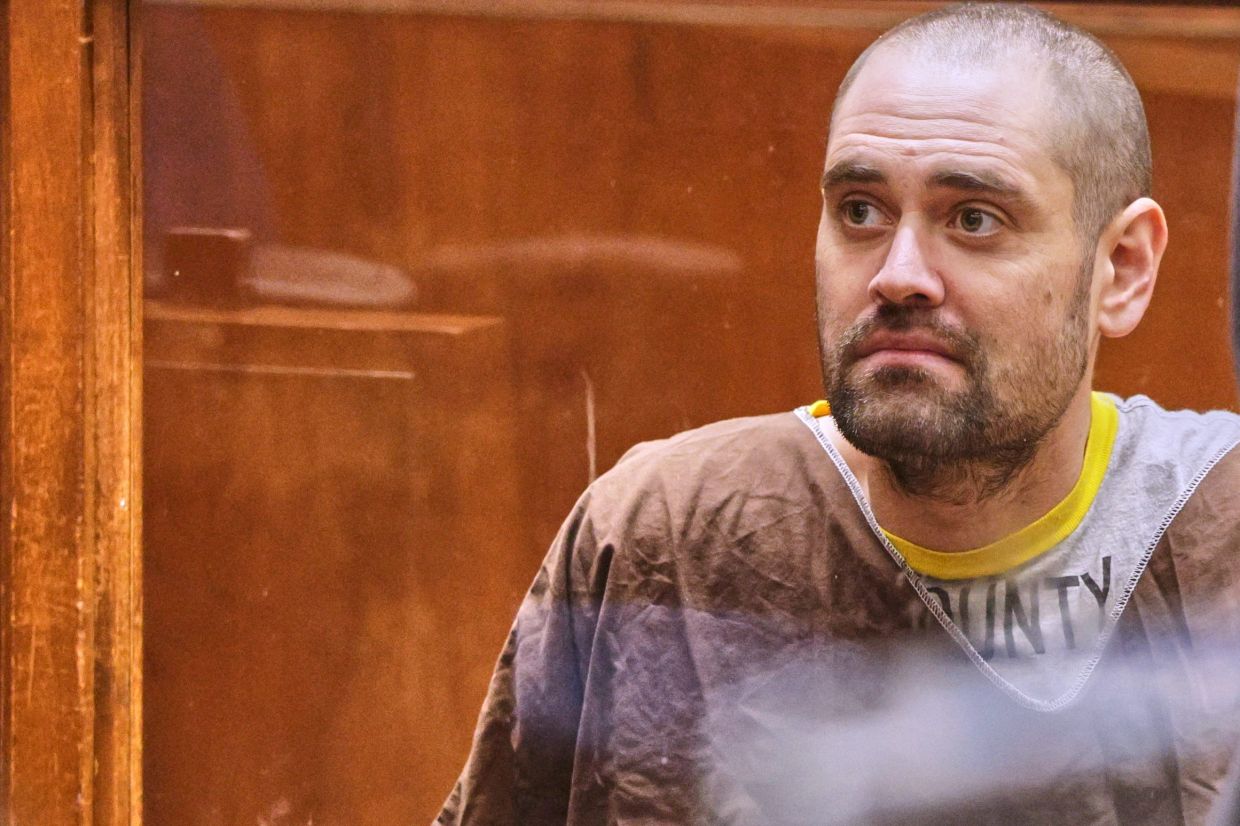
Nick Reiner, the 32-year-old son of acclaimed Hollywood director Rob Reiner, has filed a legal petition to compel trustees to release funds from a family trust established by his parents, money he says he needs to mount a credible defence against charges that he murdered them both. The petition, filed Monday in Los Angeles County court, argues that withholding the assets violates the explicit terms of the trust created in 1993 and denies him his constitutional right to adequate legal representation.
The circumstances surrounding this case have gripped Hollywood and the broader American consciousness. Rob Reiner, a towering figure in filmmaking whose directorial portfolio spans some of cinema's most iconic works from the 1980s and 1990s, and his wife Michele Singer Reiner, an accomplished photographer and producer, were stabbed to death inside their home in the exclusive Brentwood neighbourhood of Los Angeles on December 14. Within hours of the killings, authorities arrested Nick Reiner at the scene. He has maintained his innocence and entered not guilty pleas to two counts of murder.
The trust dispute illuminates the complex intersection of criminal proceedings, family dynamics, and financial entitlements. According to the petition filed by Nick Reiner's civil attorneys, his parents left unambiguous instructions that their son should receive half the trust assets at age 30 and the remainder at 35. Nick Reiner reached age 30 without receiving the first distribution. Since February, attorney Paul R. Kanin has overseen the trust and has consistently refused to release funds, citing various justifications that the petition characterises as arbitrary and legally baseless.
The financial stakes are substantial. The trust holds at least US$1.5 million in assets, though Kanin has withheld the exact valuation from the family. The trustees' position appears particularly complicated given that Nick Reiner's siblings, Jake and Romy Reiner, initially agreed to finance his legal representation with prominent defence attorney Alan Jackson. The arrangement unravelled when Jackson withdrew from the case less than a month after being retained, citing confidentiality constraints he declined to explain publicly. Jackson's departure came shortly after the siblings reversed their commitment to fund his legal fees, according to details revealed in the court filing.
The legal strategy presented in the petition carries broader implications for how courts balance competing concerns in high-profile criminal cases. Nick Reiner's attorneys argue that the trust funds belong lawfully to him under the instrument's explicit terms and that his parents' intentions should not be subordinated to speculation about his current mental competence or the gravity of charges against him. The petition asserts that possession of one's own financial resources is a fundamental prerequisite for mounting an adequate defence, a principle with particular weight in capital cases where the state possesses vast investigative resources.
In his declaration accompanying the petition, Jackson stated his firm remains ready to resume representation should funds become available, a signal that the financial impediment rather than any substantive disagreement over strategy prompted his earlier departure. This detail underscores how trial finance operates as a practical constraint on the accused's ability to secure experienced counsel, a consideration particularly acute in cases involving wealthy defendants where financial access suddenly becomes contested.
The criminal proceedings themselves are advancing at a measured pace. Nick Reiner is scheduled to return to court for a pretrial hearing in September. The District Attorney's office, led by Nathan Hochman, has indicated no final determination yet regarding whether to pursue the death penalty, despite Nick Reiner's eligibility under California law. Remarkably, the case has generated virtually no public leaks from either prosecution or defence, and a court order has sealed most autopsy details from public scrutiny.
The absence of disclosed motives or detailed forensic information has left fundamental questions unanswered in the public realm. Authorities have released almost no information about what might have prompted the alleged killings, the specific circumstances at the crime scene, or forensic evidence collected. This information vacuum has allowed speculation to flourish while the actual evidence remains shielded from public view, a common practice in high-profile cases where judges seek to prevent pretrial publicity from compromising jury impartiality.
For Malaysian readers, the case illustrates how American criminal procedure, particularly in capital cases, can become significantly constrained by access to financial resources. In jurisdictions like Malaysia where legal aid systems differ substantially, the principle that defendants must finance sophisticated legal teams creates barriers that may not operate identically. The case also reflects broader questions about family dynamics under extreme stress, as Nick Reiner's siblings have found themselves navigating the impossible position of balancing fraternal obligation against apparent legal or ethical concerns that prompted their reversal of financial support.
Jake Reiner, Nick's brother, provided his first extensive public account of the family trauma in April, describing the experience as a living nightmare almost impossible to comprehend. His words capture the psychological toll on those surrounding a defendant accused of such intimate violence—the simultaneous loss of parents and the devastation of having a sibling at the centre of such allegations creates a form of compounded grief unique to crimes within families.
The petition's core argument carries considerable legal weight. Trustees cannot indefinitely deny mandatory distributions based on vague or unstated concerns about a beneficiary's circumstances or character, particularly when the trust document specifies exact ages and amounts. If the court finds merit in Nick Reiner's petition, it would signal that even in murder cases, the accused retains certain property rights that cannot be arbitrarily suspended by trustees acting on speculative grounds. The decision could establish important precedent regarding how family trusts must operate when beneficiaries face criminal proceedings.
As the case proceeds, the trust petition represents a critical juncture. Access to funds would enable Nick Reiner to retain experienced defence counsel capable of mounting the kind of comprehensive response required in capital cases. Conversely, continued denial of those funds—if the court rules against him—would effectively bar adequate representation based purely on financial constraints imposed by trustees. The judge's ruling will carry implications extending far beyond one family's tragedy, potentially reshaping how American law treats the intersection of criminal defence rights and family wealth management.

