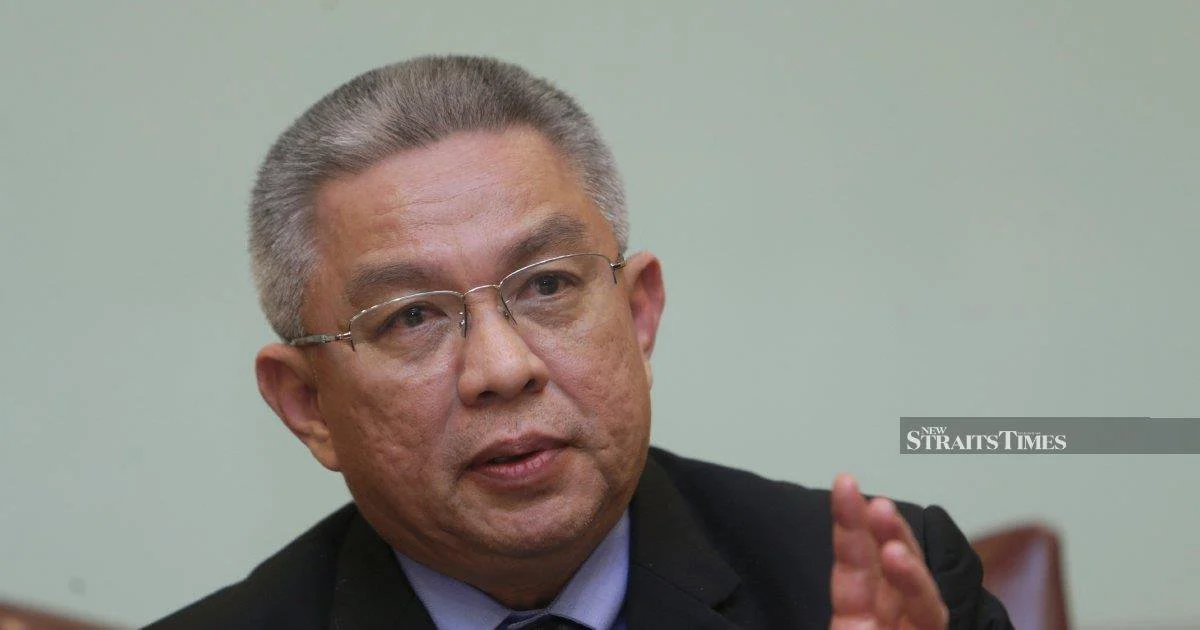
Barisan Nasional has unveiled its slate of 56 candidates for the upcoming Johor state election, bringing together a mix of returning heavyweights and fresh political faces. Among the notable contenders are former health minister Datuk Seri Dr Adham Baba and Alwiyah Talib, the previous representative for Endau state assembly, signalling the coalition's strategy to leverage established political networks alongside new momentum in the competitive southern state.
The candidate selection reflects Barisan's calculated approach to reclaiming ground in Johor, a state that remains strategically vital to the coalition's broader electoral ambitions across Malaysia. The inclusion of Dr Adham Baba, who previously led the Health Ministry during a particularly demanding period in the nation's recent history, underscores the coalition's intent to field candidates with substantial governmental experience and public recognition. His return to electoral contention suggests Barisan is banking on his administrative credentials and prior ministerial tenure to resonate with voters seeking stability and proven competence.
Alwiyah Talib's nomination as a candidate carries particular significance given her previous tenure representing Endau, one of Johor's state constituencies. Her re-entry into active electoral politics points to a deliberate effort by Barisan to reconnect with constituencies where the coalition maintains residual support and institutional memory. Such moves demonstrate how parties leverage experienced assemblymen and women who have maintained voter familiarity and local networks, even during periods outside formal office.
Johor has emerged as a crucial battleground in Malaysian electoral politics, with the state's demographic diversity and economic importance making it a bellwether for national political trends. The selection of candidates for state elections carries cascading implications for federal representation, as state assemblymen frequently transition into federal parliamentary roles. By fielding a substantial candidate pool of 56 representatives, Barisan is signalling comprehensive ambitions to contest seats across the state's various constituencies, avoiding any perception of strategic retreat.
The composition of Barisan's candidate list in Johor also reflects broader factional dynamics within the coalition itself. United Malays National Organisation, Malaysian Chinese Association, and Malaysian Indian Congress each maintain specific allocations within the partnership, and candidate distribution typically mirrors these power-sharing arrangements. The prominence of figures like Dr Adham Baba, who carries connections across various Barisan components, suggests careful negotiation aimed at maintaining coalition cohesion heading into the election campaign.
Dr Adham Baba's ministerial background, particularly his health portfolio experience, provides him with a platform to address voter concerns about healthcare accessibility, pandemic preparedness, and medical infrastructure—issues that remain salient across Malaysian communities. His availability to voters as a campaigner who can speak authoritatively on health policy represents a tangible asset for Barisan in constituencies where healthcare quality and affordability rank high among constituent priorities.
The deployment of former assemblymen and women like Alwiyah Talib demonstrates Barisan's recognition that electoral success increasingly depends on candidates who combine name recognition with demonstrated grassroots engagement capabilities. Voters in state elections often prioritize accessibility and responsiveness, qualities that previous assemblymen have had opportunity to cultivate through prior service. Their return signals continuity and institutional memory that new candidates, regardless of credentials, cannot immediately replicate.
Johor's electoral significance extends beyond immediate state-level implications. The state accounts for a substantial portion of Barisan's overall parliamentary numbers, making its performance indicative of the coalition's capacity to maintain control or recover lost ground. Success in Johor would provide Barisan momentum heading into any subsequent federal elections, while electoral setbacks could accelerate existing pressure on the coalition's federal leadership and coalition dynamics at national level.
The timing and composition of Barisan's candidate announcement also reflects calculations about evolving voter sentiment in Johor. Recent years have witnessed significant political realignment across Malaysian constituencies, with state-level elections increasingly influenced by federal political developments and leadership changes. Barisan's inclusion of both experienced figures and presumably new candidates suggests the coalition is attempting to balance nostalgia for earlier political arrangements with responsiveness to contemporary voter demands for fresh leadership and renewed commitment to constituent service.
Looking ahead, the performance of candidates like Dr Adham Baba and Alwiyah Talib will offer valuable insights into whether Malaysian voters reward experience and prior service records, or whether they continue prioritizing factors such as incumbent performance, organisational capability, and alignment with current national political narratives. These individual races will collectively determine not only Johor's political direction but also provide leading indicators about the broader health of Barisan Nasional as a national political force facing intensifying competition from rival coalitions.

