The Election Commission is undertaking an extensive examination of plans to roll out domestic postal voting for Malaysian voters across Peninsular Malaysia, Sabah and Sarawak, according to government officials overseeing electoral matters. The initiative represents a significant shift in how the country might approach ballot access, particularly for voters facing mobility constraints or geographical challenges during election cycles.
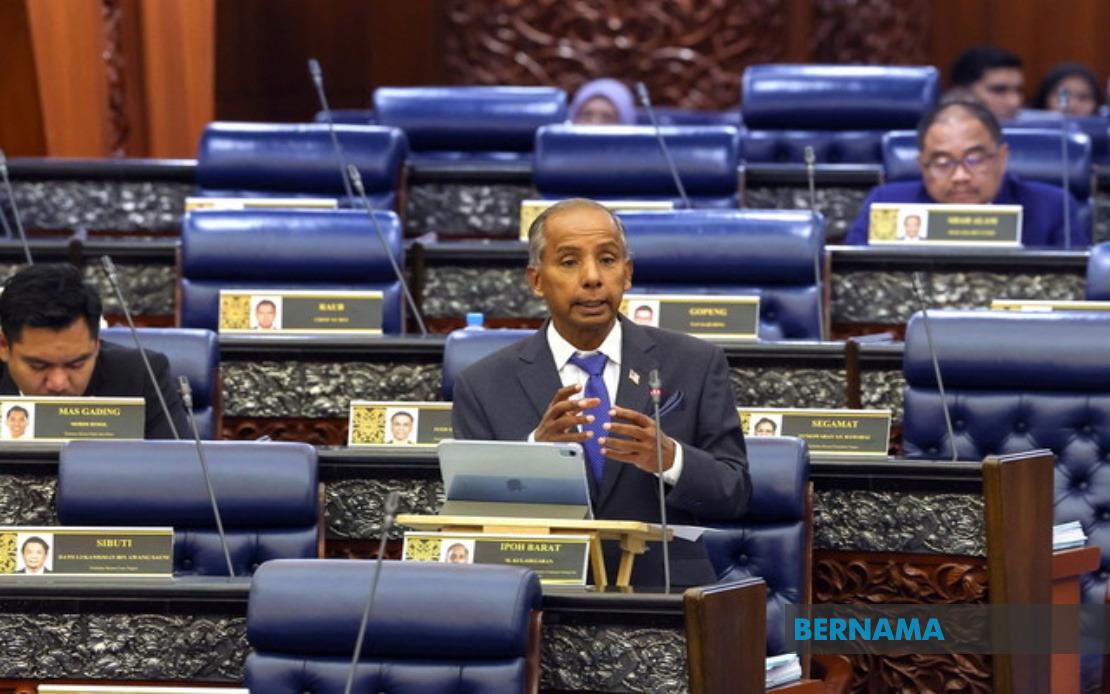
M. Kulasegaran, serving as Deputy Minister in the Prime Minister's Department responsible for law and institutional reform, outlined the scope and timeline of the review during parliamentary proceedings. He emphasized that the project demands thorough consultation across the electoral ecosystem, extending to all registered political parties and broader stakeholder groups before any binding determination emerges. This multi-layered engagement process reflects recognition that changes to voting mechanisms carry substantial implications for multiple constituencies and require consensus-building across traditionally competing interests.
The completion of this study is targeted for next year, providing a considerable window for deliberation and feedback gathering. This extended timeline suggests the government recognizes the complexity of implementing postal voting systems, which require robust administrative frameworks to prevent fraud, ensure ballot security, and maintain voter authentication across different regions with varying infrastructural capabilities. For Malaysian voters, particularly those in rural areas of Sabah and Sarawak or those with health constraints, such a system could materially enhance electoral participation by removing logistical barriers to casting ballots.
In a related parliamentary development that extends beyond postal voting specifically, Kulasegaran indicated government receptiveness to structural reform of the Election Commission itself. Questions have periodically surfaced regarding the institutional positioning of the EC, which currently operates under the Prime Minister's Department framework. The proposal under consideration would relocate the commission to operate directly within Parliament's purview, a structural adjustment aimed at enhancing the independence and perceived autonomy of electoral administration.
Kulasegaran characterized this institutional repositioning as a "good suggestion" warranting serious deliberation, signaling that the government intends to elevate the matter for consideration by relevant decision-making bodies. Such a reconfiguration would represent a notable institutional evolution for Malaysia's electoral system, as it would alter reporting relationships and accountability structures. Placing the EC under Parliament rather than the executive would theoretically create additional buffers against political influence, though implementation would require constitutional and legislative amendments.
The timing of these discussions reflects broader debates occurring across Southeast Asia regarding electoral modernization and institutional integrity. Countries in the region have grappled with balancing technological innovation in voting mechanisms against traditional safeguards, and Malaysia's exploration of postal voting sits within this regional context. The Malaysian government's willingness to examine both procedural innovations and institutional restructuring suggests recognition that electoral confidence requires continuous examination and refinement.
For Malaysian voters, particularly diaspora populations and those geographically dispersed, postal voting could address persistent challenges in election participation. Traditionally, Malaysians working abroad or residing in remote constituencies have faced significant obstacles when attempting to cast ballots, sometimes requiring costly travel or forfeiting their franchise. A well-designed postal system could expand democratic participation while maintaining the security and verification mechanisms essential for electoral integrity.
Separately, parliamentary discussion touched upon enforcement of existing electoral regulations, specifically concerning mobile telephone usage at polling stations. Kulasegaran reported that the Election Commission maintains confidence in the adequacy of current oversight mechanisms governing this prohibited conduct. The Commission indicated no intention to upgrade mobile phone restrictions to a distinct criminal offense under the Election Offences Act 1954, instead relying on existing enforcement infrastructure to maintain polling station integrity.
This stance reflects a broader philosophy regarding regulatory expansion; rather than continually adding new offenses to the statutory framework, the government prefers to optimize existing mechanisms and enforcement protocols. However, some observers argue that explicit codification as a specific offense might serve as a clearer deterrent and provide election officials with more straightforward prosecution avenues. The debate over how extensively to regulate conduct within polling stations reflects tensions between electoral security and administrative efficiency.
The postal voting initiative must navigate several practical and political considerations that Malaysian policymakers will weigh during the study phase. Implementation would require establishing protocols for ballot production, distribution, collection, and verification across three geographically and administratively distinct regions. Sabah and Sarawak, as federal territories with distinct electoral circumstances, present particular complexity, as would ensuring equitable access across urban and rural areas of Peninsular Malaysia.
Political parties occupy central positions in this evaluation process, as they benefit or suffer depending on postal voting accessibility to their supporter bases. Opposition parties in rural constituencies might champion postal voting expansion if they perceive it benefiting their voters, while parties dominant in urban centers might harbor concerns about administrative burden or fraud risks in decentralized voting. These political calculations, while natural, underscore why broad stakeholder consultation remains essential before implementation.
The consultation process itself will likely generate competing claims regarding postal voting efficacy based on international experiences. Jurisdictions worldwide employ postal voting with varying success metrics, and Malaysian authorities will presumably examine both cautionary tales and success stories. Some nations have expanded postal voting substantially, while others have encountered fraud vulnerabilities or administrative challenges that informed subsequent restrictions. Malaysia's examination should draw on these comparative experiences while accounting for distinctive national circumstances.
Moving forward, the EC's study represents a pivotal moment for Malaysian electoral modernization. Whether postal voting ultimately proceeds depends partly on whether the consultation process produces consensus regarding implementation feasibility and security protocols. The parallel discussion regarding EC institutional positioning adds another dimension of potential change to Malaysia's electoral architecture. Together, these deliberations reflect an electoral system in transition, responding to contemporary challenges while attempting to preserve the procedural integrity fundamental to democratic legitimacy.

