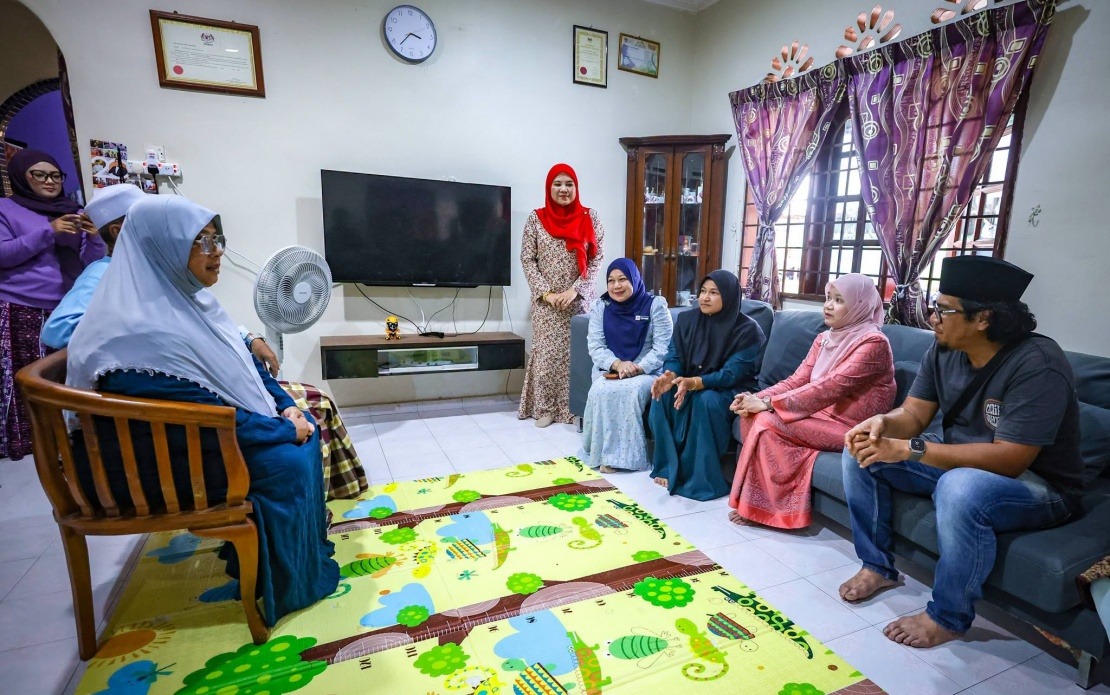
The Education Minister Fadhlina Sidek made a compassionate visit to the grieving family of Muhammad Raiyan Nufael, a Form Two student from Telok Mas in Melaka, following his unexpected death during a rugby training session. The tragic incident occurred on Wednesday evening at approximately 6 pm, leaving the school community and the ministry reeling from the loss of a young student. Through a Facebook post, the minister conveyed the condolences of the entire Ministry of Education, underscoring the gravity with which the government regards student welfare in educational institutions.
The young athlete, aged 14, had been participating in what should have been a routine rugby training session when the fatal incident unfolded. According to initial reports, Muhammad Raiyan had only been engaged in physical activity for approximately 15 minutes before the situation took a dire turn. The crisis emerged during what appeared to be a low-intensity phase of the training—he was listening to instructions delivered by the coaching staff following a scheduled break, making the sudden onset of his condition all the more shocking to those present at the scene.
The student's collapse during the briefing segment suggests that the physical demands of the training session, even in its early stages, may have triggered an underlying health condition. The fact that he experienced shortness of breath while seated and listening to coaching guidance raises critical questions about the adequacy of medical supervision and emergency preparedness protocols at school sports facilities. These questions will likely form the basis of investigations into whether proper safety measures were in place and whether staff were trained to recognise warning signs of cardiac or respiratory distress.
Education Minister Fadhlina's personal intervention in visiting the bereaved family demonstrates the seriousness with which the Ministry of Education views this incident. Her Facebook statement, expressing hope that "the soul of the late Muhammad Raiyan be placed among the righteous," reflects both her personal condolences and the official position of the ministry. Such high-level engagement signals that the government intends to examine what transpired and ensure similar tragedies do not recur in Malaysian schools.
The incident has potentially significant implications for how schools across Malaysia approach sports training and student supervision. Student-athlete deaths, while rare, raise urgent concerns about whether educational institutions have adequate medical personnel on standby during physical education classes and training sessions. Many Malaysian schools, particularly in smaller towns and rural areas, may lack ready access to trained medical professionals or automated external defibrillators during routine sports activities, a gap that authorities will need to address systematically.
Parental anxiety about student safety during sports participation may intensify following this tragedy. While rugby and other contact sports carry inherent risks, the manner in which institutions manage those risks—through proper medical screening, trained staff, emergency protocols, and appropriate supervision ratios—directly influences public confidence in school athletic programs. Schools will face increased pressure to demonstrate that they have implemented comprehensive safety frameworks.
The timing of the incident, occurring during a break and briefing rather than during intense physical exertion, complicates the typical narrative surrounding sports-related deaths. This suggests that the underlying cause may not be related to overexertion or poor conditioning alone, but potentially to an undiagnosed pre-existing condition. The importance of pre-participation medical screening for young athletes engaged in competitive sports cannot be overstated, as such evaluations can identify students at heightened cardiovascular or respiratory risk.
Malaysia's sporting culture has long emphasized physical development and competitive achievement among students, with rugby programmes in secondary schools forming part of this broader educational philosophy. However, this incident forces a recalibration of how institutions balance ambition for athletic excellence with paramount concern for student safety and wellbeing. The Ministry of Education will likely conduct a thorough review of current guidelines governing sports training, medical supervision, and emergency response procedures in schools nationwide.
The broader context of this tragedy includes ongoing global discussions about sudden unexplained nocturnal death syndrome and other conditions that can claim young, apparently healthy individuals. Malaysia's medical and educational authorities may benefit from international consultation and the adoption of best practices in student-athlete health monitoring, particularly given the tropical climate and physical demands characteristic of Malaysian schools.
As the investigation into Muhammad Raiyan's death proceeds, the focus will inevitably shift toward preventive measures and systemic improvements. Schools will be expected to enhance their emergency preparedness, ensure staff are trained in cardiopulmonary resuscitation and first aid, and implement more rigorous medical screening protocols for students participating in demanding sports. The tragedy serves as a sobering reminder that student safety must remain the unwavering priority in all educational and sporting activities.

