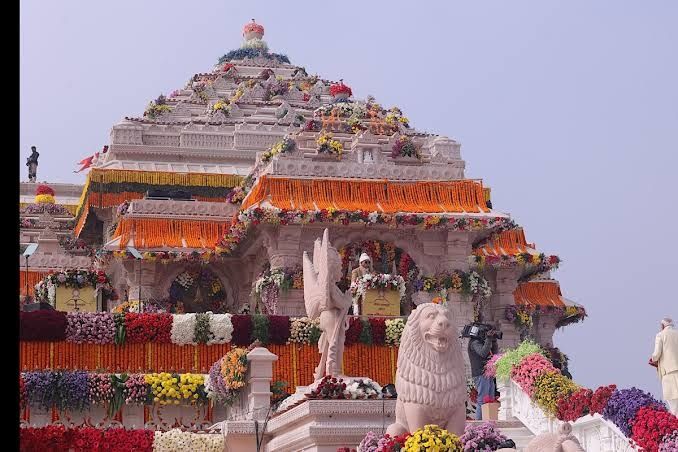
Authorities in Lucknow have arrested eight individuals in connection with allegations of theft and misappropriation of donations at the Ram Mandir temple in northern Uttar Pradesh, marking a significant controversy for one of India's most symbolically important religious sites. The arrests were formally announced on Thursday, June 25, following a criminal case registered against the accused, who include multiple temple staff members responsible for handling the cash and valuables donated by pilgrims.
The Ram Mandir occupies an especially prominent position in contemporary Indian politics, having been inaugurated in 2024 by Prime Minister Narendra Modi himself. The temple's construction on the site of a demolished mosque represents a pivotal moment in India's political and religious landscape, embodying the Hindu-nationalist ideology that has shaped Modi's political trajectory. The structure cost an estimated US$240 million to build, with all funding coming through public donations collected from devotees across the country.
The temple's construction and opening have been central to the Bharatiya Janata Party's political messaging and electoral strategy. The party's role in orchestrating the demolition of the Babri mosque in 1992 served as a watershed moment in Indian politics, energising the Hindu nationalist base and ultimately contributing to the BJP's ascent from opposition to becoming India's dominant political force. Modi himself has leveraged the temple's completion as a defining achievement of his administration, making the current theft allegations particularly damaging to his political brand.
The criminal investigation into the temple's operations reveals concerning irregularities in how donations have been managed and recorded. Those arrested were primarily engaged in the crucial functions of counting, sorting and securing the cash and precious metals—including gold and silver—offered by millions of visitors to the temple. The specific circumstances of the alleged embezzlement remain unclear, but police and investigators have determined sufficient evidence exists to proceed with formal charges against the accused individuals.
The scale of the alleged theft has not been officially confirmed by authorities, though opposition parties and media investigations suggest the amount could exceed US$20 million. This figure, if accurate, would represent a substantial portion of the donations collected since the temple's opening. The government's reluctance to disclose the full scale of the misappropriation has fuelled speculation and intensified public scrutiny, with many questioning the transparency of the investigation and the temple's management.
The emotional impact on donors has been immediate and profound. Viti Saxena, a 44-year-old homemaker who contributed to the temple's construction, expressed deep dismay at the allegations, questioning whether her donation ever reached the temple's coffers or was diverted by dishonest staff. Her sentiments reflect broader concerns among millions of Indian Hindus who made personal sacrifices to contribute to what they believed was a sacred collective project. The betrayal of that trust has cast a shadow over what was supposed to be a triumphant moment for Hindu nationalism in India.
Those arrested face serious criminal charges including breach of trust, theft, criminal conspiracy and corruption. These allegations suggest that the misappropriation was not merely a matter of administrative error but involved deliberate and coordinated criminal activity. The inclusion of conspiracy charges particularly indicates that authorities believe multiple individuals worked together to orchestrate the theft, raising questions about how such a scheme could persist within the temple's hierarchy without detection or accountability.
Uttar Pradesh Chief Minister Yogi Adityanath, whose state government established the Special Investigation Team tasked with examining the allegations, has publicly committed to ensuring that all guilty parties face justice. The formation of a dedicated investigation team underscores the gravity with which state authorities are treating the matter, though it also raises questions about why such irregularities were not detected through normal institutional oversight mechanisms.
The controversy presents a significant challenge to the political narrative that has long surrounded the Ram Mandir. What was meant to exemplify Hindu nationalist governance and religious devotion has instead become mired in accusations of criminal mismanagement and financial impropriety. The allegations strike at the heart of public trust in religious institutions and governance structures, coming at a moment when Hindu nationalism's credibility is particularly invested in the temple's success.
For Malaysian observers, the incident offers insights into the intersection of religion and politics in neighbouring India, particularly how religious sentiments can be mobilised for political advantage while simultaneously creating vulnerabilities for institutional failure and corruption. The case also demonstrates how even high-profile projects backed by national leadership remain susceptible to internal malfeasance if adequate oversight mechanisms are absent. As religious institutions across Asia grapple with managing large-scale donations, the Ram Mandir situation underscores the critical importance of transparent financial governance and accountable management structures within temples, mosques, churches and other faith-based organisations.

