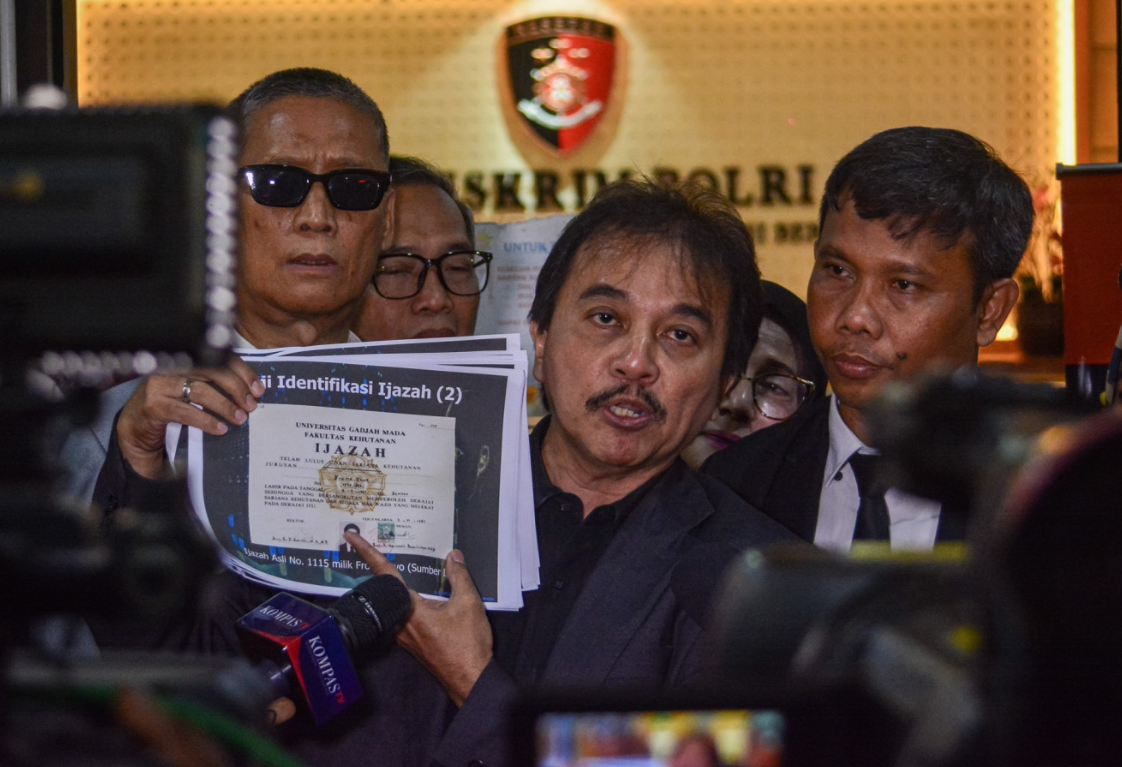
Former Indonesian youth and sports minister Roy Suryo has been taken into custody by Jakarta Police following accusations of defamation related to his public questioning of ex-president Joko Widodo's academic qualifications, signalling a dramatic escalation in a dispute that has festered for nearly half a decade. The detention, carried out Friday morning at the residences of both Suryo and health activist Tifauzia Tyassuma, represents a turning point in what had previously remained largely a social media and courtroom disagreement over whether Widodo's university diploma was genuine.
The arrests came as police prepared to transfer the case file to the Jakarta Prosecutor's Office, moving from the investigation phase toward potential prosecution. According to investigation director Sr Comr Iman Imanuddin, the detention followed standard procedures designed to streamline the handover of suspects and evidence once preliminary police investigations had reached completion. The General Crimes Directorate emphasised that the action served to prevent procedural bottlenecks and ensure all requisite administrative steps, including health examinations and evidence verification, proceeded without delay.
Suryo and Tyassuma face not only defamation charges but also accusations of electronically manipulating documents to substantiate their contentions that Widodo's credentials were fraudulent. These allegations carry significant legal weight under Indonesian law, potentially exposing them to severe consequences should conviction follow. The convergence of multiple charges reflects authorities' determination to treat the matter with considerable gravity.
The diploma controversy itself originated in 2019 when questions about Widodo's educational background surfaced across social media platforms, initially appearing as routine scepticism that gradually hardened into formal legal action. The dispute gained institutional weight in 2022 when a civil lawsuit was filed, and momentum continued gathering through 2025 with successive investigations and court proceedings. What began as unsubstantiated whispers had, by mid-2025, transformed into a formal criminal matter engaging multiple governmental bodies.
In May 2025, Indonesia's National Police formally declared Widodo's diploma authentic following their investigation, effectively shutting down their own inquiry into forgery allegations. However, this determination failed to settle the matter. During a subsequent case review held in July 2025, critics including Suryo renewed their objections to the police findings, suggesting that institutional pronouncements had not persuaded all sceptics. The persistence of doubt, even after official vindication, appears to have frustrated authorities sufficiently to pursue defamation prosecutions.
The legal framework underpinning these arrests derives from Indonesia's Electronic Information and Transactions Law, a broad statute that permits prosecution of digital-age offences including online defamation. The law carries maximum sentences of six years imprisonment, providing substantial leverage in negotiations and deterrence. That authorities selected this particular tool indicates their view that the accusations constituted more than mere political disagreement—they treated them as criminal conduct warranting state intervention.
Defence lawyers representing Suryo and Tyassuma immediately contested the detention's necessity and proportionality. Refly Harun argued that his clients had consistently appeared for questioning when summoned and questioned why detention was required when the case transfer to prosecutors would not occur until Monday. This procedural critique reflects broader tensions in Indonesian criminal justice between investigative thoroughness and suspects' rights, a balance that remains contested in the archipelago's legal system.
The investigation encompassed considerably broader participation than the two individuals now detained. Police had previously identified six additional suspects in the defamation matter, though three—Eggi Sudjana, Damai Hari Lubis and Rismon Sianipar—subsequently had charges dropped following mediation efforts. This pattern suggests that authorities may have pursued a graduated approach, reserving harsher measures for those deemed most culpable or least amenable to settlement.
For Malaysian observers, the case illustrates how political disputes over state institutions' credibility can escalate into criminal prosecutions in neighbouring democracies, raising questions about where accountability for officials ends and where political persecution begins. Widodo's transition from the presidency to elder statesman status has not insulated him from criticism, yet the state apparatus has moved decisively to shield his reputation through criminal law. The episode also demonstrates how digital platforms can amplify and perpetuate allegations, complicating efforts to distinguish legitimate political discourse from defamatory conduct that warrants legal intervention.
The detention represents a significant moment in Indonesian civil-military and judicial dynamics, revealing willingness among police and prosecutors to pursue high-profile political cases through the criminal justice system. Whether such prosecution ultimately succeeds will depend on evidentiary strength and judicial interpretation of what constitutes criminal defamation versus protected speech. The case will likely set precedent for future disputes involving public figures and contested claims about institutional legitimacy across Southeast Asia's largest democracy.
For regional observers, the unfolding prosecutions illuminate persistent vulnerabilities in how developing democracies balance institutional reputation protection against freedom of expression and the right to dissent. Suryo's detention, though justified by police procedure, raises fundamental questions about proportionality and whether criminal sanctions represent the appropriate response to political disagreement over factual claims. How Indonesian courts ultimately adjudicate these tensions will reverberate across Southeast Asia, where similar disputes involving public figures' credibility and official institutions' integrity periodically surface.

