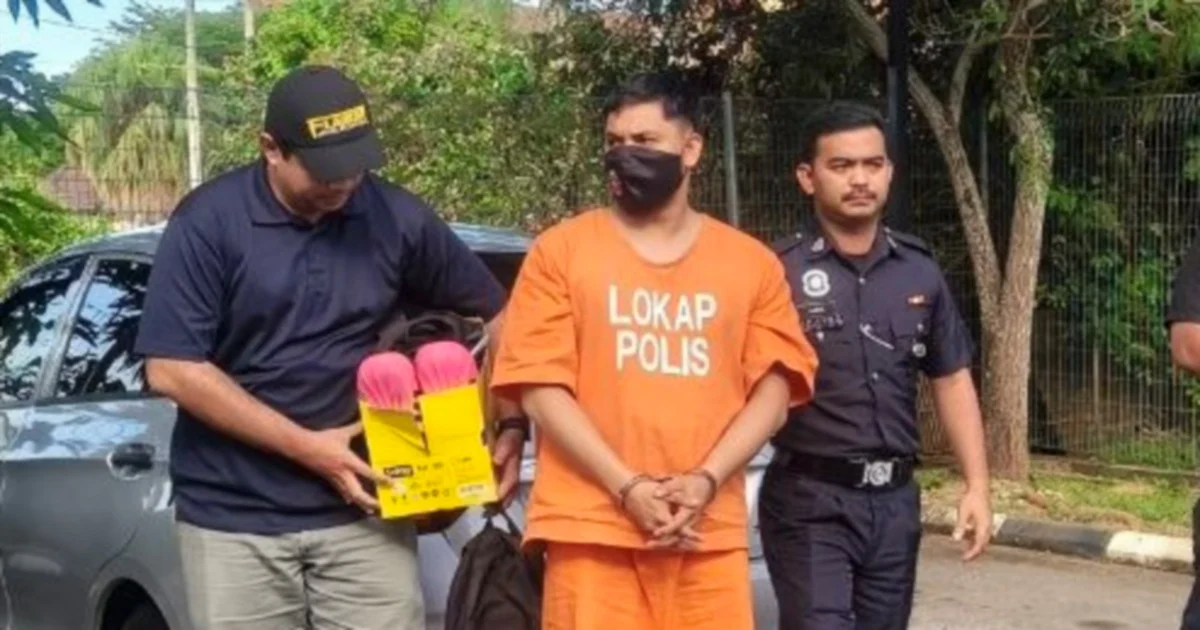
A former information technology professional in Besut faced court sanctions today after admitting to exploiting the government's Budi95 subsidy scheme through fraudulent identity documentation. The magistrate handed down a RM18,000 fine, with the sentence including a custodial alternative of 18 months imprisonment should the monetary penalty remain unpaid. The defendant pleaded guilty to three separate counts involving the unauthorised use of other individuals' identity cards.
The Budi95 programme represents a significant government initiative designed to provide targeted financial assistance to qualifying Malaysian citizens during economic challenges. Like many similar subsidy schemes, it operates through strict identity verification protocols to ensure benefits reach legitimate recipients and prevent misappropriation of public funds. The case highlights vulnerabilities in implementation where personal documentation can be manipulated for unauthorised claims, even by individuals with technical expertise who understand digital systems.
Identity fraud remains a persistent problem across Southeast Asia, with Malaysia seeing consistent attempts to exploit government welfare and subsidy programmes. The sophistication of such schemes often correlates with the perpetrator's professional background, as individuals with IT expertise may possess knowledge of system vulnerabilities or data handling procedures. The ease with which modern identity documents can be replicated or misused underscores the challenge authorities face in protecting both citizens' personal information and public resources simultaneously.
The defendant's background as an IT engineer raises particular concerns about insider knowledge exploitation. Technical professionals may understand weak points in verification systems or possess familiarity with government database architectures that facilitate fraudulent claims. This category of offence—where professional expertise intersects with criminal intent—creates additional layers of risk for programme administrators seeking to balance accessibility with security.
The Budi95 scheme's susceptibility to abuse reflects broader challenges facing Malaysia's social safety net infrastructure. As digital government services expand and more Malaysians access subsidies online, the attack surface for fraudulent activity inevitably increases. Balancing ease of access for genuine beneficiaries against robust fraud prevention mechanisms remains a perpetual tension in programme design.
Magistrate's court proceedings in Besut typically handle cases involving smaller offences and financial crimes within defined thresholds. The three-count guilty plea suggests prosecution successfully demonstrated multiple instances of identity misuse rather than a single isolated incident. This pattern indicates deliberate, repeated exploitation rather than opportunistic one-time fraud, which likely influenced sentencing severity.
Criminal penalties for identity fraud in Malaysia carry substantial weight, reflecting legislators' intent to deter such crimes. The RM18,000 fine represents a significant financial consequence, particularly for an individual no longer engaged in formal IT sector employment. The custodial default provision—18 months imprisonment if fines go unpaid—effectively doubles the punishment burden by threatening loss of liberty alongside financial liability.
Identity card misuse carries implications extending beyond individual prosecution. Each fraudulent claim diverts limited government resources from genuinely vulnerable Malaysians who depend on subsidy programmes for essential needs. The cascading effects include programme administrators spending resources investigating suspicious claims, implementing costlier verification procedures, and ultimately reducing programme efficiency for legitimate beneficiaries across the nation.
The case emerges during heightened government scrutiny of subsidy programme integrity. Malaysian authorities have progressively tightened verification protocols and enhanced data-sharing between agencies specifically to combat this category of fraud. Enhanced biometric verification, cross-referencing with multiple government databases, and improved document authentication represent evolving countermeasures against perpetrators exploiting outdated systems.
Regional context matters significantly here. Throughout Southeast Asia, identity fraud targeting government schemes has emerged as a growing concern. Singapore, Thailand, Indonesia, and Philippines have each reported similar cases involving individuals misusing personal identification documents to access subsidies. Malaysia's approach—combining strict prosecution with sentence transparency—serves as deterrent signalling within the broader regional context.
The IT sector's reputation faces collateral damage from cases where technically-skilled individuals leverage their expertise for criminal purposes. Such prosecutions reinforce public perception that professionals with system knowledge sometimes exploit that advantage for personal gain. This dynamic potentially influences government hiring policies and security clearance procedures affecting the broader technology workforce.
Moving forward, this conviction underscores the necessity for continuous system modernisation within government subsidy administration. Biometric authentication, real-time verification protocols, and artificial intelligence-driven anomaly detection represent emerging tools that reduce opportunities for identity-based fraud while maintaining accessibility. Malaysian authorities continue developing these technological safeguards to protect programme integrity.
The sentence sends mixed signals about fraud deterrence effectiveness. While RM18,000 represents substantial personal financial consequence, repeat offenders sometimes calculate expected losses against potential gains from fraudulent claims. The custodial threat provides additional leverage, though successful prosecution depends on authorities identifying fraud—a detection challenge growing more complex as fraud schemes evolve.

