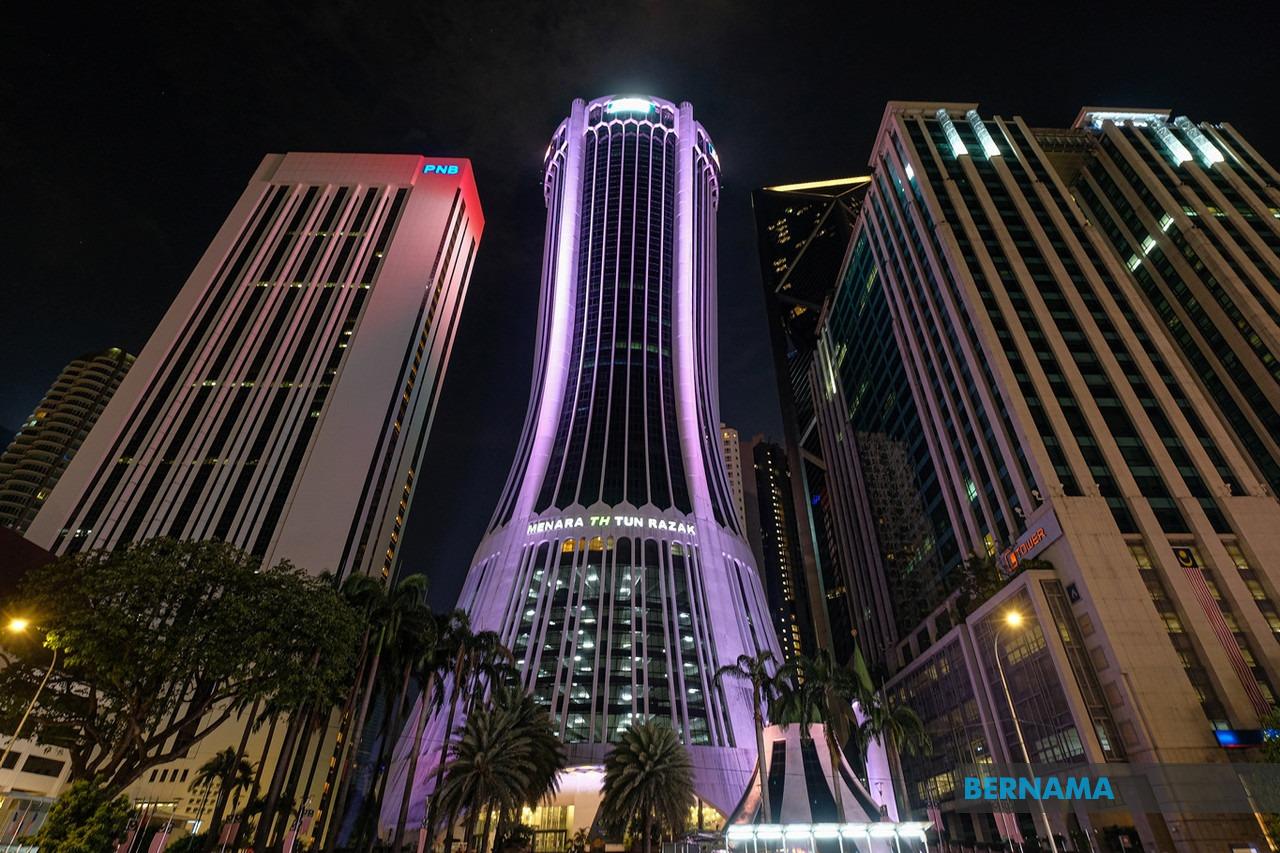
The demand for transparency surrounding Tabung Haji's governance crisis has intensified, with senior academics and analysts pressing authorities to make the Royal Commission of Inquiry findings public without further delay. Their calls underscore growing concerns that withholding the report risks deepening public mistrust in an institution that serves as a custodian of Muslim savings for millions of Malaysians undertaking the haj pilgrimage.
Dr Mazlan Che Soh, a political science lecturer at Universiti Teknologi MARA's Seremban campus, has articulated a nuanced position that balances the need for accountability with caution against politicisation. He emphasises that depositors and the broader public deserve clarity about what went wrong at Tabung Haji, particularly given the institution's unique role as a trust-based financial body rather than a conventional bank. The inquiry's findings, he contends, are essential to establish factual truth, safeguard the interests of those who have entrusted their savings to the organisation, and implement substantive reforms that prevent recurrence of past mistakes.
Rather than releasing the full report immediately, Mazlan proposes a measured approach that prioritises public understanding. His recommendation centres on publishing an executive summary that distils key findings, alongside a detailed account of which RCI recommendations the government has already implemented and what remains to be done. This tiered disclosure strategy could provide the transparency depositors rightfully expect whilst allowing authorities to manage the information's rollout responsibly and ensure legal processes are not compromised.
The political dimensions of the issue cannot be ignored. Mazlan acknowledges that the report's contents will inevitably shape perceptions among Malay-Muslim voters and Tabung Haji depositors, particularly as Malaysia heads towards electoral contests. However, he offers a counterbalancing observation that suggests the report's release alone would unlikely trigger seismic shifts in voter behaviour or overall political support. Electoral choices, he notes, flow from multiple considerations including household finances, state government performance, candidate integrity, long-standing party attachments, and organisational strength at grassroots level.
Dr Jamaie Hamil of Universiti Kebangsaan Malaysia's Faculty of Social Sciences and Humanities reinforces the case for action, pointing to the protracted nature of the Tabung Haji controversy. He notes that governance improvements have been incrementally introduced spanning from the previous Pakatan Harapan administration through to the current MADANI Government, yet public confidence remains fractured by the absence of comprehensive findings disclosure. This extended period of uncertainty undermines efforts to rebuild institutional credibility and leaves outstanding questions unanswered.
The urgency of the matter has resonated beyond academic circles. Wan Osman Hashim, a retired civil servant aged 70, articulated public sentiment in a social media video that gained circulation after being shared by Communications Minister Datuk Seri Fahmi Fadzil. His message captured the anxiety of ordinary savers: government action is needed to prevent further institutional losses, justice must be served for those whose money may have been mismanaged, and confidence in Tabung Haji's integrity must be restored so Malaysians can continue contributing their savings with assurance.
The Tabung Haji crisis carries particular weight in Malaysian society because the institution embodies more than financial functionality. It represents accumulated resources of millions of Muslim households, each contribution a manifestation of religious commitment and family sacrifice towards fulfilling haj obligations. When governance failures occur at such an institution, the breach extends beyond contractual relationships into the realm of trust and communal responsibility. This dimension explains why expert opinion uniformly emphasises transparency as non-negotiable.
Prime Minister Datuk Seri Anwar Ibrahim has indicated receptiveness to disclosure, expressing confidence that the Cabinet will approve public release of the RCI report once it is formally presented for consideration. This apparent openness at the highest political level creates an opportunity window, though the final determination will depend on what the Cabinet decides when presented with the full report and its implications. The Prime Minister's stance suggests the government recognises that prolonged withholding of findings increasingly contradicts stated commitments to transparency and good governance.
For Malaysian depositors and the broader public, the significance extends beyond institutional accountability. How authorities handle the Tabung Haji RCI report will establish a benchmark for how government addresses future institutional crises and whether official commitments to transparency withstand political pressure. The expert consensus, articulated by academic analysts across multiple universities, converges on a single point: delayed disclosure serves no legitimate public interest and only perpetuates the uncertainty that undermines confidence in one of Malaysia's most important savings institutions.

