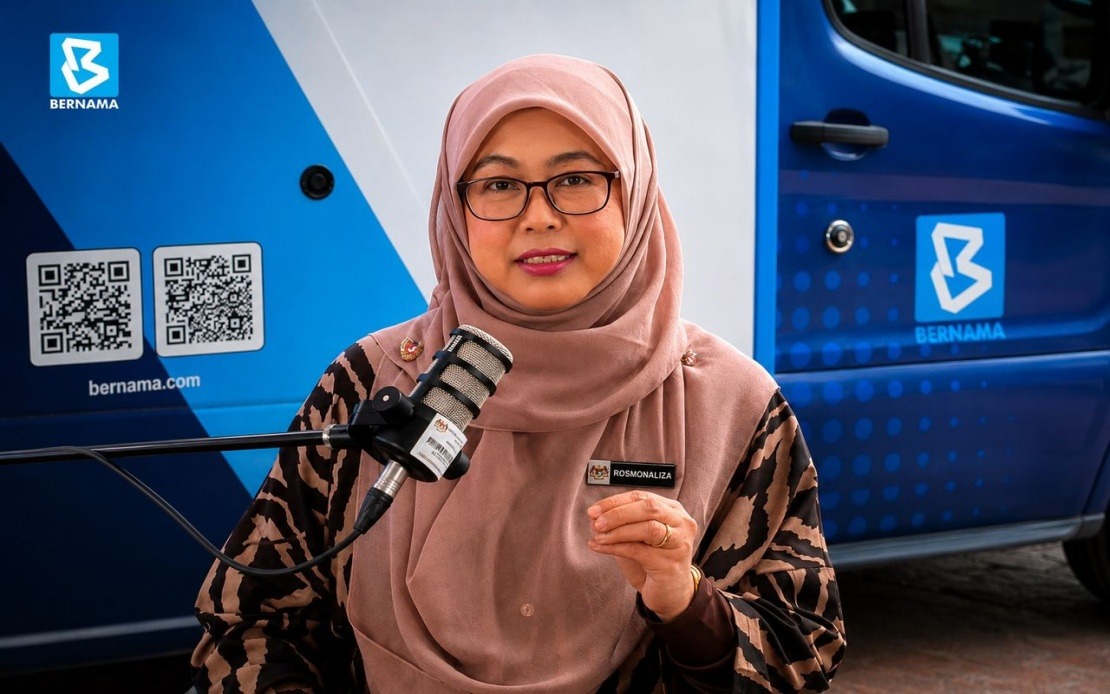
The changing demands of modern family life mean fathers must embrace responsibilities that extend far beyond earning an income, according to the National Population and Family Development Board (LPPKN). Speaking at a podcast discussion, Rosmonaliza Abdul Ghani, director of LPPKN's Family Well-being Division, stressed that contemporary fathers are increasingly expected to demonstrate active engagement in nurturing their children's emotional development whilst supporting their educational journey. This represents a fundamental shift in how Malaysian society conceptualises the father's place within the family unit, moving away from the historically narrow definition of paternal responsibility towards a more holistic and emotionally invested model of parenting.
The transition reflects broader societal changes that have reshaped work patterns, family structures and expectations around parental involvement across Southeast Asia. Rosmonaliza observed that fathers today occupy a dual role—they remain economic providers for their households, but they are simultaneously agents of positive change tasked with constructing resilient family units capable of weathering contemporary pressures. This expanded conception of fatherhood requires fathers to cultivate meaningful communication channels with their children, demonstrate emotional availability, and actively participate in educational decisions and support. Without these elements, families risk fragmentation under the weight of modern stresses, from financial uncertainty to mental health challenges.
A significant cultural shift is evident in the growing openness among Malaysian men toward seeking professional support. Rosmonaliza highlighted that more fathers are now willing to engage with counselling services and participate in family therapy sessions alongside their spouses and children. This represents a welcome departure from traditional masculine norms that often discouraged men from acknowledging vulnerability or pursuing help. The willingness to seek assistance signals recognition that parenting challenges—whether financial strain, mental health struggles, or relationship difficulties—require collaborative problem-solving rather than silent endurance. LPPKN has responded to this emerging demand by expanding its suite of support services, offering counselling, therapeutic interventions, and personality assessments tailored specifically to fathers navigating contemporary challenges.
The board has deliberately created a non-judgmental environment where fathers can openly discuss their concerns without fear of stigma or social censure. By positioning counselling as a strength rather than an admission of failure, LPPKN aims to destigmatise help-seeking behaviour among men and normalise emotional expression within family contexts. This approach acknowledges that fathers do not exist in isolation from their emotional lives, nor should they be expected to absorb life's pressures without support. The expansion of male participation in family counselling services demonstrates that when services are appropriately designed and culturally sensitive, men will engage with resources that help them become more effective parents and partners.
The importance of paternal presence becomes starkly evident when examining the social consequences of father absence. Drawing on experience working with underprivileged urban populations and children living on the streets, observers note that many of Malaysia's social problems—from substance abuse to juvenile delinquency—correlate strongly with absent or disengaged fathers within households. When household heads struggle with addiction or economic desperation, the resulting family breakdown creates cascading negative outcomes for children, who often lack the stability, guidance and emotional security necessary for healthy development. These children frequently become vulnerable to exploitation, criminal involvement, or adoption of maladaptive coping mechanisms. The problem extends beyond individual family tragedy; it represents a systemic challenge affecting communities and straining social services.
Addressing fathers in crisis demands an approach grounded in compassion rather than condemnation. Those working with vulnerable populations emphasise that punitive or judgmental interventions often entrench problems rather than resolve them, particularly when dealing with individuals whose sense of masculine identity has been threatened by job loss, poverty, or perceived failure. Instead, engagement strategies rooted in religious values, cultural principles of family obligation, and human dignity prove more effective in encouraging fathers to reclaim their household responsibilities. This perspective recognises that many struggling fathers retain desire to fulfill their roles but lack the psychological resources, economic opportunities, or social support systems necessary to do so effectively.
The role of family members in supporting fathers through difficult periods cannot be overstated. Rosmonaliza emphasised that spouses and children themselves constitute vital resources in helping fathers navigate pressure and prevent the internalisation of problems that might otherwise manifest as dysfunction or withdrawal. When families actively demonstrate appreciation for paternal contributions and consciously invest in quality time together, children develop stronger attachments to their fathers whilst fathers feel valued beyond their economic function. This creates positive reinforcement loops that strengthen family bonds and provide emotional ballast during difficult periods. Children who recognise their father's sacrifices develop deeper gratitude and respect, whilst fathers who receive such recognition find motivation to continue investing in their families despite external challenges.
The emphasis on quality over material provision represents a crucial reorientation of family values appropriate to Malaysian contexts facing both opportunity and uncertainty. In societies where economic pressures can consume parental attention entirely, there is risk that children equate parental love with material provision whilst failing to appreciate emotional presence and invested engagement. Rosmonaliza's message that paternal presence carries more significance than material goods speaks to deeper human needs for connection, security and belonging that no consumer product can satisfy. This perspective challenges the consumerist trap into which many middle-class Malaysian families have fallen, where parental duty becomes defined by provision of gadgets, tuition or branded goods rather than by genuine relational investment.
The recognition that fathers must play expanded roles carries implications for Malaysian workplace culture, educational policy, and social support systems. Employers who create inflexible environments that demand fathers sacrifice family time for career advancement undermine the national interest in stronger families. Schools that treat parental involvement as maternal responsibility marginalise fathers from educational partnerships with their children. Government policies that provide maternal support but overlook paternal needs create structural barriers to the kind of shared parenting that modern families require. A comprehensive national approach to strengthening families through enhanced paternal engagement would recognise these systemic constraints and work to remove them, whether through flexible work arrangements, parenting education for men, or workplace acknowledgment of family responsibilities.

