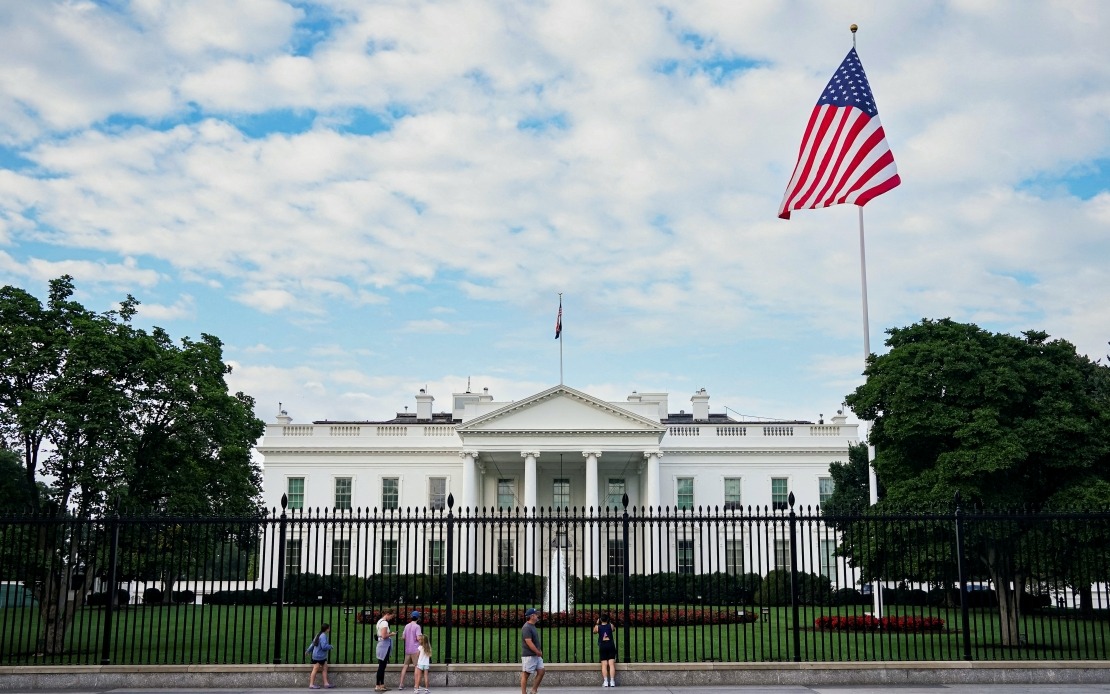
American authorities have successfully thwarted what officials describe as a sophisticated and coordinated attack scheme targeting a high-profile Ultimate Fighting Championship event held at the White House on Sunday to commemorate President Donald Trump's 80th birthday and America's 250th anniversary. FBI Director Kash Patel disclosed the foiled plot via social media on Tuesday, revealing that the agency and partner law enforcement organisations had detected the threat on June 10, several days before the scheduled event.
The alleged attack plan demonstrated alarming tactical complexity, according to officials who briefed media outlets. The conspiracy reportedly centred on deploying explosive-laden drones to target buildings adjacent to the UFC venue, creating chaos through a mass evacuation that would funnel crowds into a predetermined area where an armed sniper team lay in waiting. This two-phase approach suggests careful planning and coordination among perpetrators spanning multiple locations across the United States.
Law enforcement response proved decisive and comprehensive. Five individuals were taken into custody by Monday, with investigators simultaneously identifying a broader network comprising 23 people suspected of involvement in the plot. Officials indicated that the conspiracy extended beyond the initial drone-and-sniper scheme, with a "second wave" allegedly planning to breach the White House perimeter itself. The identification of such an extensive network raises questions about how surveillance and intelligence gathering capabilities detected the threat early enough to prevent potential loss of life.
The UFC America 250 event itself proceeded as scheduled despite security concerns, drawing approximately 4,000 spectators to the South Lawn of the White House for the unprecedented cage-fighting spectacle. Before the event, legal challenges emerged when two Virginia residents filed suit arguing the gathering violated applicable regulations. However, a federal judge in the US District Court for the District of Columbia rejected their motion to block the proceedings on Friday, permitting organisers to complete preparations and allowing the event to proceed under enhanced security protocols.
For Malaysian observers and Southeast Asian readers, this incident underscores how sophisticated attack planning increasingly transcends borders and involves coordinated networks rather than lone actors. The alleged use of drone technology in a hypothetical assassination plot reflects evolving security threats that nations across the region must contemplate as drone technology becomes more accessible and prevalent. The rapid identification and arrest of suspects before execution suggests that US intelligence agencies deployed advanced surveillance and data analysis capabilities, areas where developed nations maintain significant technological advantages over developing economies in the region.
The political dimensions of this foiled plot warrant examination as well. Coming amid broader patterns of political violence across the United States, the incident reflects deepening polarisation and the willingness of some individuals to resort to extraordinary measures against political opponents. In April, another individual breached security at the White House Correspondents' Dinner armed with guns and knives, subsequently facing charges related to attempting to assassinate the president. These successive incidents within months suggest rising ambient tension around presidential security and political opposition in America.
For countries like Malaysia with their own histories of political contention and security concerns, the American experience offers cautionary lessons about the dangers of unchecked political rhetoric that might inspire violent action among extremists. While Malaysia maintains different constitutional and security frameworks, the underlying principle remains relevant: that responsible political discourse and leadership messaging matter profoundly in determining whether disagreements remain peaceful or escalate into violence.
The broader implications extend to international security cooperation as well. Intelligence sharing and coordinated law enforcement responses, as demonstrated by the FBI working with multiple partners to identify and apprehend suspects, represent models that ASEAN nations might consider strengthening through expanded regional security partnerships. Given increasingly transnational dimensions of security threats including terrorism, organised crime, and now sophisticated political violence plots, enhanced intelligence sharing and coordinated response capabilities serve mutual interests across the region.
The incident also highlights ongoing tensions in American political culture regarding the balance between security and openness. Hosting major public events at iconic government facilities requires accepting inherent risks while simultaneously deploying robust protective measures. The decision to proceed with the UFC event despite detected threats demonstrates confidence in security arrangements, though the incident revealed just how determined and coordinated potential adversaries have become. This calculus between maintaining democratic openness and protecting against increasingly sophisticated threats represents a challenge that democratic societies globally must navigate continually.
As investigations continue and the cases proceed through the American justice system, officials will likely release additional details about how the plot was discovered, what motivated the suspects, and what vulnerabilities in security protocols the incident revealed. These details will be studied by security professionals worldwide, including those responsible for protecting Malaysian government facilities, diplomatic missions, and public figures. The foiled plot serves as a reminder that vigilance, intelligence gathering, and rapid response capabilities remain essential components of modern security infrastructure, particularly for high-profile events and personalities.

