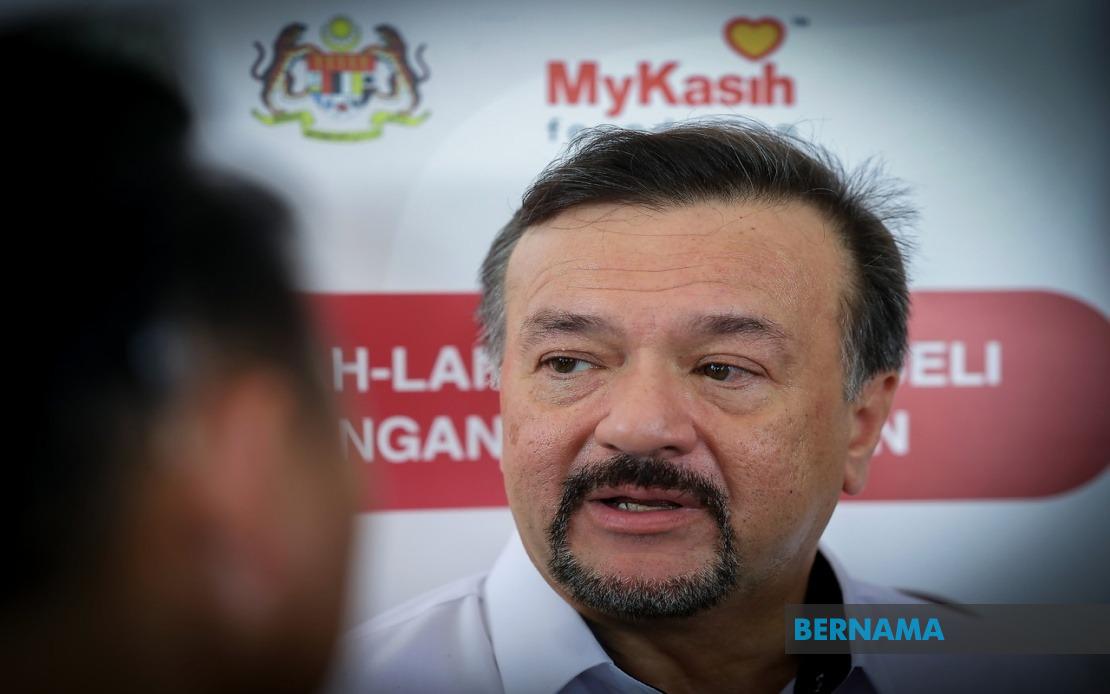
The Malaysian government is adopting a flexible stance towards improving the BUDI MADANI Diesel programme, with the Ministry of Finance indicating readiness to consider fresh proposals that would strengthen its effectiveness. Finance Minister II Datuk Seri Amir Hamzah Azizan emphasised this adaptability during a media briefing in Kuching on June 24, reinforcing the government's commitment to ensuring the subsidy initiative functions without disruption. The ministry's receptiveness extends to contentious questions around quota expansion, though any decisions will be grounded in hard evidence rather than speculation or political pressure.
The foundation of the government's approach rests on empirical performance metrics accumulated since the programme's inception. Rather than making hasty adjustments based on anecdotal complaints, Amir Hamzah pointed to five months of operational data—January through May of this year—which demonstrated that quota constraints are less severe than critics suggested. The figures revealed that merely 0.76 per cent of participants consumed more than 200 litres of diesel during the monitoring period, a statistic that challenges narratives about the programme being fundamentally undersized. This evidence-based framework allows policymakers to distinguish between genuine systemic problems and isolated instances of unusually high consumption.
The minister's remarks reflect a broader philosophy about subsidy management that the government has refined through previous targeted assistance schemes. When Malaysia introduced subsidised fuel for the ride-hailing sector, initial feedback suggested the allocated quotas were inadequate for drivers' operational needs. Rather than dismissing these complaints, the government commissioned reviews of actual consumption patterns tracked by ride-hailing platforms themselves. This pragmatic approach revealed that consumption varied significantly across individual drivers, prompting a tiered solution that now offers participants two quota tiers—600 litres and 800 litres—with advancement based on demonstrated usage requirements.
This historical precedent matters considerably for understanding how the BUDI Diesel programme may evolve. The e-hailing experience demonstrates that the government does not view subsidy structures as immutable once implemented; instead, it treats them as living mechanisms requiring periodic recalibration. However, the recalibration process demands concrete data rather than conjecture. By insisting on usage evidence before expanding quotas, the government attempts to prevent a common pitfall of subsidy programmes: the tendency to over-allocate resources to those who do not genuinely need them, thereby inflating fiscal costs and undermining the scheme's targeted nature.
For Malaysian businesses and drivers relying on diesel subsidies, the policy stance carries important implications. The willingness to consider improvements suggests that legitimate grievances will not be ignored indefinitely, yet the emphasis on data-gathering means that stakeholders must document their consumption patterns to support requests for adjustment. Those operating at the margins of current quota allocations should ensure their fuel purchases are properly recorded through official channels, as such documentation becomes the currency through which the government evaluates whether modifications are warranted.
The programme's design reflects contemporary thinking about subsidy reform across Southeast Asia. Rather than extending universal support regardless of need, targeted schemes attempt to direct resources to those most dependent on them. Malaysia's approach aligns with the International Monetary Fund's long-standing advocacy for subsidy rationalisation, though the Malaysian government has chosen to maintain support for essential consumption groups while tightening eligibility. This balance—preserving assistance for those who genuinely need it while eliminating windfalls for wealthier households—has become the template for how developing economies approach subsidy policy.
The Works Minister Datuk Seri Alexander Nanta Linggi's presence at the briefing underscores the cross-ministerial dimension of this initiative. Diesel subsidies affect transport infrastructure, logistics costs, and public services delivery—domains touching multiple government portfolios. This multi-departmental engagement ensures that quota and policy decisions account for broader economic impacts beyond the finance ministry's immediate purview, recognising that transportation and construction sectors depend on predictable fuel pricing.
For consumers and businesses in Malaysia, the minister's openness translates into a pathway for engagement. Those believing the current allocations are inadequate have recourse through documented feedback, provided they can substantiate their claims with consumption records. The government's demonstrated flexibility with the e-hailing programme suggests that well-reasoned petitions supported by usage data will receive serious consideration. This creates incentives for transparency and accurate reporting rather than encouraging black-market transactions or grey-zone practices.
The timeline for any adjustments remains uncertain, but Amir Hamzah's insistence on allowing the system to operate before major revisions suggests the government intends to monitor the programme through at least the first full operational year. This extended observation period permits the identification of structural issues—where the problem is inherent to the programme's design—as opposed to temporary adjustment phases where users adapt their consumption patterns. As more data accumulates, particularly across different seasons and economic cycles, the ministry will have increasingly sophisticated insights into whether quota levels align with actual needs.
The government's position also reflects awareness of fiscal constraints facing Malaysia's public finances. While subsidies provide tangible relief to target populations, their cost compounds if allocations exceed genuine consumption requirements. By conditioning quota expansions on usage evidence, the finance ministry protects the programme's long-term sustainability. If quotas remain adequate for 99.24 per cent of users, as the current data suggests, expanding them universally would represent inefficient spending that could otherwise fund other development priorities.
Stakeholders monitoring the BUDI Diesel programme should recognise that the government's receptiveness does not mean imminent changes. Rather, it indicates a commitment to evidence-based governance and a willingness to reconsider positions if circumstances warrant. This philosophy suggests that the programme's framework—while not permanently fixed—will remain stable absent compelling data demonstrating systemic failure. For transport operators, logistics companies, and commercial users dependent on diesel subsidies, this creates a planning environment characterised by transparency and predictability, essential conditions for business confidence and investment decisions.

