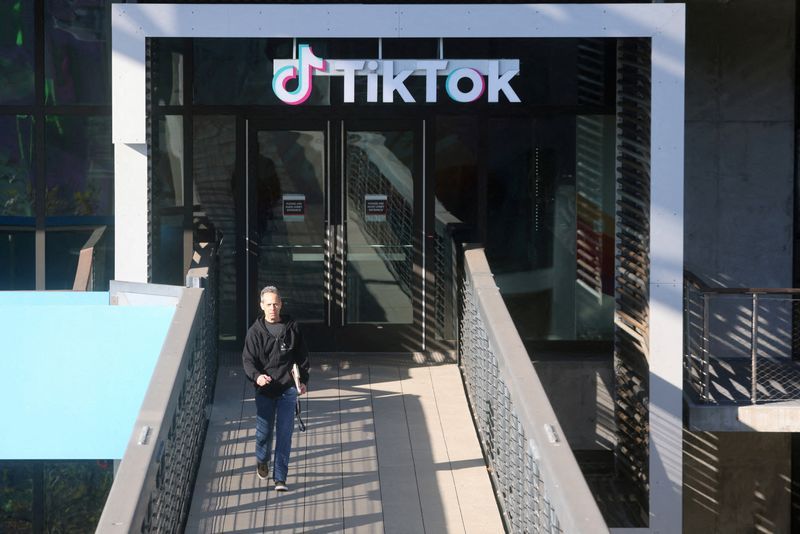
Florida's attorney general has initiated legal action against TikTok, alleging systematic violations of the state's child protection statute that prohibits social media platforms from allowing minors aged 14 and under to establish user accounts. The suit, filed in St. Lucie County state court, represents the latest regulatory challenge to the Chinese-owned video platform as American states intensify scrutiny over its safeguarding practices. Attorney General James Uthmeier, a Republican, contends that TikTok not only permits underage account creation but simultaneously misrepresents the extent to which young users encounter violent or sexually explicit material on the service.
The complaint characterises TikTok's conduct as a calculated deception of parents and guardians who rely on platform policies to protect their children. Uthmeier stated that the company prioritises revenue generation over user safety, a characterisation that reflects broader frustrations among state officials regarding tech industry practices. The lawsuit demands that a court compel TikTok to implement structural changes ensuring compliance with Florida law, alongside monetary penalties reflecting the alleged harms. The legal action targets ByteDance, the Beijing-headquartered parent company that operates TikTok as its flagship international service, though enforcement mechanisms remain complex given corporate structures spanning multiple jurisdictions.
TikTok has responded by acknowledging ongoing communications with Florida authorities and confirming that it has begun suspending accounts belonging to users under 14 operating within the state. A company spokesperson emphasised that TikTok continues refining its platform features in response to the statutory requirements introduced this year. The platform's defence rests partly on its assertion that it maintains rigorous minor protection protocols and intends to contest the complaint vigorously. This measured response suggests the company recognises both the legal substance of child-safety concerns and the political dimensions of state-level enforcement actions.
The lawsuit targets H.B. 3, legislation that took effect in January 2025 and represents Florida's aggressive approach to regulating social media age restrictions. The statute establishes an outright ban on account creation for users under 14 while requiring parental authorisation for those between 14 and 16. This tiered consent framework reflects policymakers' acknowledgment that different age groups require proportionate protection levels. Notably, the law has already generated constitutional challenges, with a federal judge temporarily blocking its enforcement on First Amendment grounds before Florida appealed, creating legal uncertainty even as the state aggressively pursues platform compliance.
Florida's enforcement strategy extends beyond TikTok. In an earlier action, the state sued Snap, the company behind Snapchat, accusing it of employing deliberately addictive features and knowingly permitting children as young as 13 to establish accounts. Florida's complaint against Snap characterised the company's conduct as unusually egregious, particularly given Snapchat's marketing claims portraying the platform as age-appropriate for teenagers whilst simultaneously enabling access to pornography and illicit drug transactions. Snap has mounted a constitutional defence arguing that H.B. 3 infringes children's First Amendment rights, a legal theory that federal courts have found plausible enough to warrant preliminary injunctions, even as appeals proceed.
This Florida litigation must be understood within the context of a nationwide enforcement surge targeting social media companies. More than 25 state attorneys general have filed lawsuits against TikTok specifically, predominantly invoking state consumer protection statutes that characterise the platform as engineered to addict young users, thereby contributing to documented mental health deterioration among adolescents. These coordinated actions reflect a shift in regulatory philosophy whereby states increasingly assert authority over technology industry practices affecting minors, moving beyond traditional reliance on federal oversight mechanisms that critics argue have proven inadequate.
The litigation landscape has expanded dramatically beyond regulatory enforcement to encompass private litigation. Meta Platforms and Alphabet's Google faced a jury finding of negligence in a Los Angeles trial involving a young woman alleging depression and anxiety stemming from platform addiction during childhood. TikTok, named as a co-defendant, opted to settle before trial rather than proceed. The company similarly resolved a Kentucky school district claim by agreeing to pay $8 million, suggesting TikTok's calculation that settlement expenses remain preferable to prolonged litigation exposure despite contested liability theories. These individual and institutional lawsuits collectively represent thousands of claims currently advancing through American courts, creating cumulative reputational and financial pressure on the platforms.
The constitutional challenges embedded within this enforcement framework warrant close attention, particularly for Malaysian policymakers considering similar regulations. The federal judge's ruling that H.B. 3 violates the First Amendment reflects American jurisprudence's particular scepticism toward age-based content restrictions, even when justified by compelling child protection interests. However, that ruling has been temporarily suspended on appeal, meaning Florida retains enforcement authority whilst judicial review proceeds. This legal ambiguity mirrors comparable tensions in other democracies attempting to balance children's developmental needs against free speech principles and the practical realities of regulating global technology platforms.
For Malaysia and Southeast Asia, the Florida litigation offers several instructive lessons. First, it demonstrates that state-level enforcement remains feasible despite tech platforms' global scope and corporate complexity. ByteDance's willingness to implement account suspensions in Florida suggests that platforms possess technical capacity to enforce geographically-specific policies when regulatory pressure becomes sufficiently severe. Second, the coordination among American state attorneys general illustrates how multi-jurisdictional alignment amplifies regulatory effectiveness beyond what isolated action by single states might achieve. Third, the constitutional questions raised by H.B. 3 highlight tensions between child protection and fundamental rights that any regional regulatory framework must acknowledge and address.
The TikTok case also reflects American society's evolving understanding of social media's impact on adolescent mental health. Whilst Facebook and Instagram operated for years with minimal legislative scrutiny regarding age-based access restrictions, TikTok faces more aggressive regulatory response, partly reflecting heightened awareness of platform design patterns that optimise for engagement regardless of developmental consequences. This generational shift in policy responsiveness suggests that future regulations in Malaysia and throughout Southeast Asia might incorporate more sophisticated provisions addressing algorithmic recommendation systems, content filtering mechanisms, and transparent disclosure requirements rather than relying exclusively on age verification gates.
Looking forward, TikTok's response to Florida's enforcement actions will likely influence how comparable legal challenges proceed elsewhere. If the platform successfully defends against H.B. 3 claims on constitutional grounds, state-level child protection laws throughout America may face sustained judicial scepticism. Conversely, if TikTok reaches settlements or loses key litigation, other jurisdictions including those in Southeast Asia may interpret such outcomes as validating their own child-safety legislative agendas. The stakes extend beyond individual company liability to encompass fundamental questions about regulatory authority over technology platforms, the feasibility of age-based access systems, and whether market-driven approaches to child safety have proven inadequate, necessitating legislative intervention.
Ultimately, Florida's lawsuit against TikTok represents not merely a narrow dispute over account creation policies but rather a broader reckoning with social media's societal impacts. The state's aggressive enforcement posture, combined with similar actions against Snap and mounting private litigation, signals that American regulators increasingly reject technology industry self-regulation as a sufficient framework for protecting minors. Whether this enforcement momentum will penetrate TikTok's corporate defences through litigation remains uncertain, but the accumulating legal and political pressure suggests that the platform's operational practices in the United States face substantial transformation, regardless of specific case outcomes.

