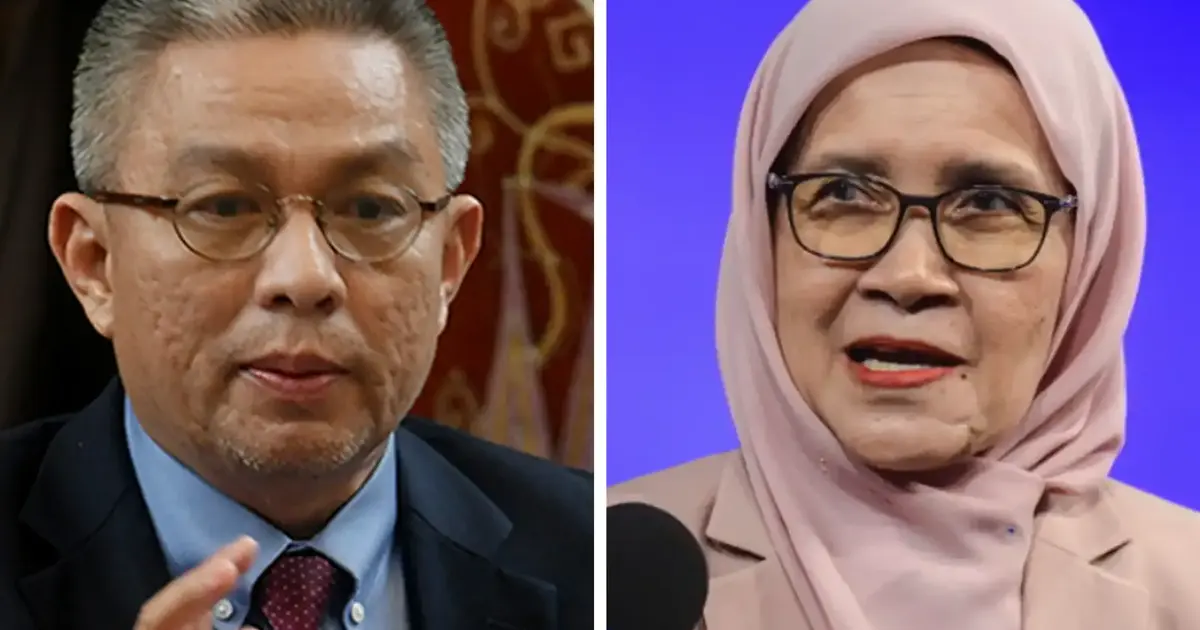
Onn Hafiz Ghazi, the chairman of Barisan Nasional in Johor and a former health minister, has confirmed his intention to defend his Machap parliamentary seat in the forthcoming state elections. The move underscores the senior Umno politician's commitment to consolidating the coalition's electoral position in Malaysia's southern stronghold, where Barisan has long maintained significant political influence despite national fluctuations in support.
Onn Hafiz's decision to contest reflects a broader strategy by Umno to maintain continuity in key constituencies while leveraging the profile of established figures who have held ministerial office. His background in the health portfolio, particularly relevant given the post-pandemic focus on healthcare governance and public health management, positions him as a candidate with demonstrated executive experience in critical areas of national concern. The timing of his announcement signals that Umno and its broader coalition partner intend to field their strongest possible roster of candidates across Johor's electoral battlegrounds.
The Machap seat has historically been a Barisan stronghold, and Onn Hafiz's return to contest it demonstrates the coalition's confidence in retaining the seat despite shifting political dynamics across Malaysia. His tenure as health minister would have given him exposure to high-level policy decision-making and administrative challenges, experiences that candidates often leverage in campaign narratives emphasising competence and proven governance credentials. For Johor voters, his ministerial background may serve as a tangible marker of seniority within party hierarchies and potential access to federal resources and influence.
Onn Hafiz's return to active electoral politics after his health ministry tenure illustrates the pattern whereby Malaysian politicians transition between executive roles and legislative representation. This dual engagement in both ministerial appointments and electoral contests reflects the constitutional structure that permits such movements, though it also raises questions about the time and attention ministers can devote to constituency-level governance. His position as Johor BN chairman additionally indicates that party leadership structures view him as a crucial figure for coordinating campaign strategies and managing coalition dynamics within the state.
The Johor state elections have consistently attracted national attention because the state remains a critical political laboratory in Malaysian politics. With a population representing a significant electoral bloc and a track record of voting patterns that sometimes presage broader national shifts, Johor results are closely monitored by analysts and political observers assessing the health of Malaysia's governing coalitions. Onn Hafiz's candidacy will likely feature prominently in pre-election narratives about whether Barisan can maintain its traditional dominance in the state or whether opposition forces can make inroads into previously secure constituencies.
Umno's commitment to fielding high-profile returnees like Onn Hafiz also reflects internal party calculations about member morale and activist engagement. When senior figures with ministerial experience choose to contest elections, it can energise grassroots party machinery and demonstrate to supporters that established leaders remain confident in electoral prospects. Conversely, it may also invite scrutiny regarding his ministerial record and decisions made during his tenure in the health portfolio, providing opposition candidates with potential lines of attack grounded in government performance and policy outcomes.
The Machap constituency, like many in Johor, likely encompasses both urban and rural demographic segments with varying economic priorities and concerns. Candidates defending seats must typically address local issues such as infrastructure development, water security, education quality, and economic opportunities alongside broader policy platforms. Onn Hafiz's prior ministerial experience, while in the health sector, does not necessarily grant him direct authority over these matters, yet his seniority within Umno may facilitate access to federal allocations and resources for constituency development projects.
Barisan's decision to field Onn Hafiz reflects its institutional capacity to mobilise established political figures with recognisable names and ministerial credentials. In Malaysian electoral contests, candidate selection often weighs name recognition, perceived competence, local rootedness, and factional positioning within parties. An ex-minister typically scores highly on these metrics, though individual performance in previous roles and any controversies or scandals can substantially affect electability and voter sentiment. The coalition's positioning of Onn Hafiz suggests confidence that his profile will translate into electoral support in Machap.
For Southeast Asian observers monitoring Malaysian political developments, Johor elections serve as indicators of whether long-established coalition arrangements can adapt to evolving voter preferences or whether new political alignments are reshaping the region's largest democracy. Onn Hafiz's contest will form part of a broader electoral mosaic revealing whether incumbency and ministerial experience remain competitive advantages in contemporary Malaysian politics or whether voters increasingly prioritise alternative criteria when evaluating candidates. The outcome in Machap and similar Johor constituencies will help clarify these questions heading into potential future national elections.
The announcement of Onn Hafiz's candidacy also occurs within the context of Umno's broader efforts to strengthen its position within Barisan and Malaysia's political landscape. The party has invested in narratives about governance experience and administrative competence, seeking to contrast its track record with opposition parties' limited ministerial exposure. By deploying figures like Onn Hafiz who have held senior executive portfolios, Umno aims to reinforce messaging about its institutional depth and capacity to manage government effectively. Whether these strategic calculations resonate with voters will become apparent once campaigning intensifies and Machap constituents evaluate their options.

