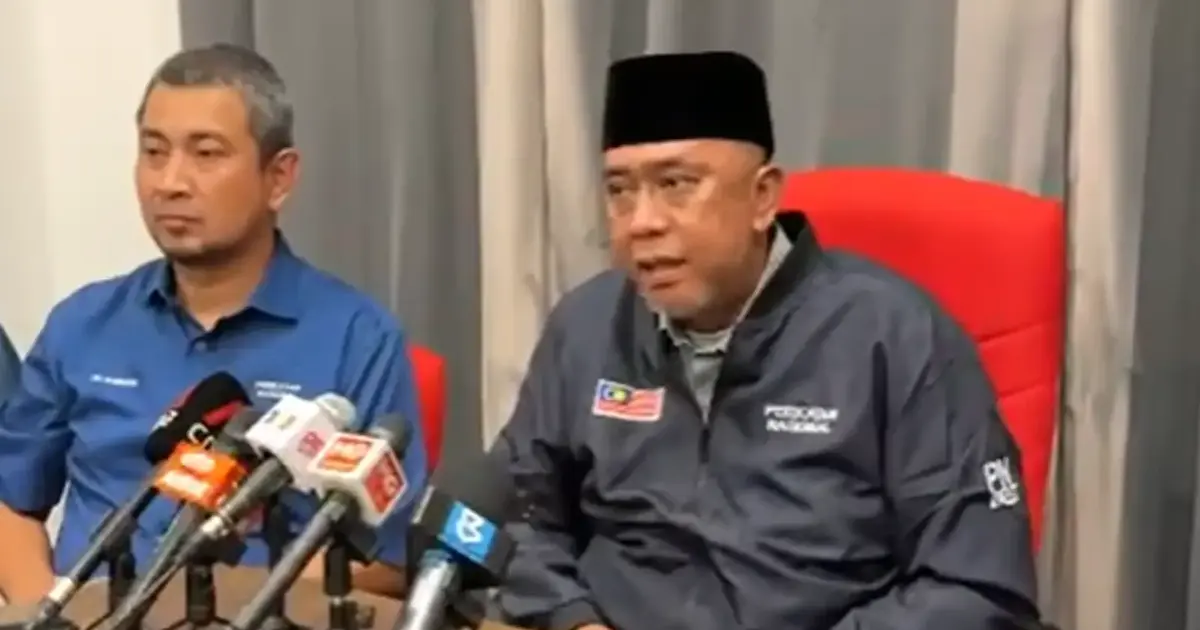
Abd Mutalip Abd Rahim, who previously represented Layang-Layang in parliament, has severed ties with Umno and joined Bersatu, setting up a potential three-cornered contest in the constituency after the Umno leadership decided to cede the seat to its coalition partner MCA.
The move marks a significant shift in the political landscape of Layang-Layang, a parliamentary seat in Johor that has traditionally been held by Umno. The decision to allocate the seat to MCA under the broader Barisan Nasional coalition framework has prompted Abd Mutalip to seek a new political home, ultimately leading him to Bersatu, a component party of the Perikatan Nasional alliance.
Abd Mutalip's departure underscores ongoing tensions within the Umno-led coalition regarding seat distributions ahead of electoral contests. The allocation of constituencies among coalition partners remains a contentious issue, particularly when sitting representatives from one party are effectively sidelined to accommodate another party's ambitions or strategic positioning.
By joining Bersatu, Abd Mutalip positions himself to contest Layang-Layang under the Perikatan Nasional ticket, which has emerged as a significant political force in Malaysian politics. This move reflects the fluidity of party politics at the federal level, where representatives frequently reassess their political affiliations based on electoral viability and seat allocation decisions.
The implications of this development extend beyond the individual politician. The split allocation of a traditionally Umno stronghold signals potential fractures within the Barisan Nasional coalition, even as the alliance continues to seek unity ahead of future elections. Layang-Layang voters will face a clearer choice between Barisan Nasional's MCA candidate, Perikatan Nasional's representative, and presumably other contenders, fundamentally altering the electoral dynamics in this Johor constituency.
For Bersatu, Abd Mutalip's recruitment represents a strategic gain in Johor, where Perikatan Nasional has been working to expand its footprint. The presence of an incumbent or experienced representative can bolster campaign efforts and provide ground-level insight into constituency issues and voter preferences.
This development also illustrates the broader phenomenon of party-switching in Malaysian politics, where seat allocations and electoral mathematics often drive political realignments. Politicians frequently migrate between parties when their prospects within their current party diminish, or when alternative platforms offer better chances of contesting in their preferred constituencies.
The Umno leadership's decision to hand Layang-Layang to MCA reflects calculations about coalition strength, ethnic representation, and electoral strategy. MCA, representing Malaysian Chinese interests within Barisan Nasional, may have been deemed better positioned to retain or capture the seat, despite the historical Umno control. Such coalition arithmetic, while intended to maximize overall electoral performance, can create resentment among incumbent representatives denied the opportunity to defend their seats.
Abd Mutalip's transition to Bersatu also highlights the party's strategy of attracting experienced parliamentarians and political figures to strengthen its electoral appeal. Having fielded candidates with proven track records in constituencies can enhance credibility and voter confidence, particularly in seats where Perikatan Nasional aims to break Barisan Nasional's traditional strongholds.
For Johor voters in Layang-Layang, this realignment introduces greater political choice and potentially more competitive campaigning. The triangular contest that appears set to unfold will likely generate more engaging electoral debates, as candidates from different coalitions articulate their respective visions for the constituency.
The decision also raises questions about long-term stability within coalition arrangements. If experienced representatives continue to defect when their constituencies are reallocated to partners, the cohesion and electoral effectiveness of both Barisan Nasional and Perikatan Nasional could face ongoing challenges. Coalition discipline becomes harder to maintain when individual politicians perceive unfair treatment or diminished prospects within their parties.
Moving forward, how Umno and Bersatu manage their relationship in Layang-Layang will be watched closely by political observers. The contest will serve as a test case for coalition viability and voter preferences between Barisan Nasional and Perikatan Nasional in this important Johor seat, with implications reverberating throughout the broader Malaysian political ecosystem.

