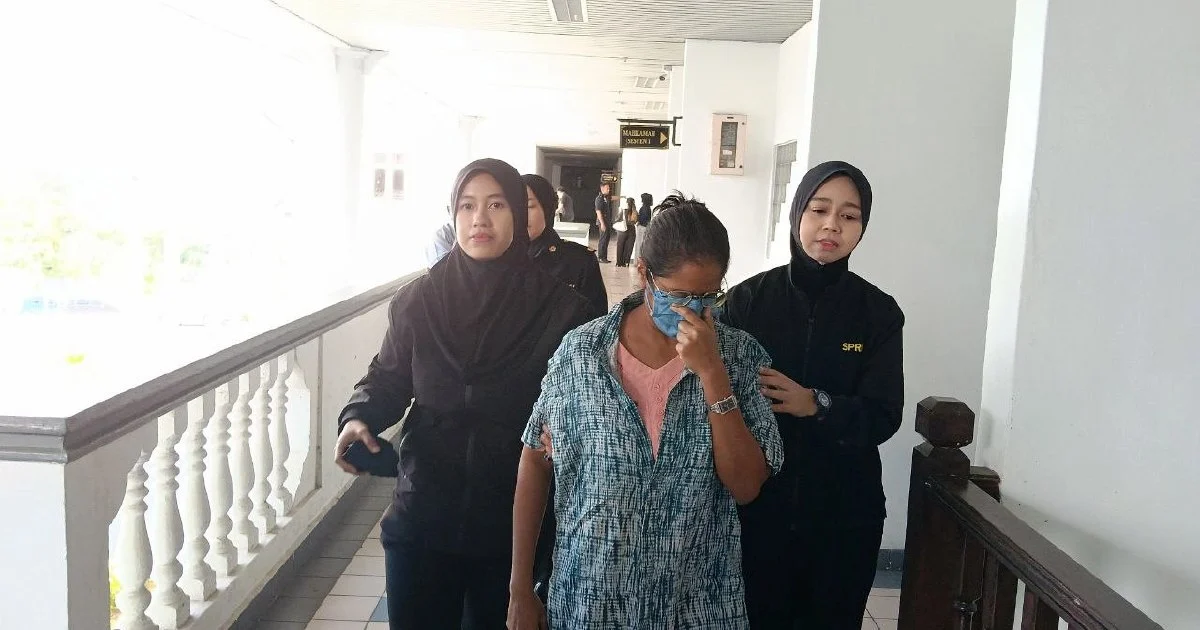
A former high-ranking official in the Melaka state administration made an appearance at the Ayer Keroh Sessions Court today, confronted with seven serious charges alleging systematic misappropriation of public funds and fraudulent deception of state executive council members. The accused faces accusations involving the unlawful appropriation of more than RM60,000, a sum that raises questions about internal financial controls and accountability mechanisms within the state apparatus.
The prosecution's case centres on allegations that the ex-officer engaged in both direct embezzlement of state resources and deliberate deception of senior government functionaries entrusted with overseeing the administration. Such charges, when levelled against civil servants occupying positions of authority, carry particular gravity in Malaysia's governance framework. The Melaka state government, like other state administrations across the country, relies on institutional safeguards and individual integrity to prevent financial irregularities that can erode public confidence and divert resources from essential services.
The scale of the alleged misappropriation—exceeding RM60,000—suggests this was not an isolated administrative error but rather a pattern of conduct that went undetected for a period. Financial irregularities of this magnitude within state government offices typically indicate inadequate audit trails, insufficient segregation of duties, or a breakdown in supervisory oversight. For Malaysian states grappling with budget constraints and competing developmental priorities, such losses represent meaningful resources that could have been channelled towards public welfare programmes or infrastructure development.
Melaka, as one of Malaysia's smaller states by population and revenue base, faces particular challenges in maintaining robust financial governance systems. The state has historically relied on a relatively lean administrative apparatus, which can sometimes create vulnerabilities when individuals in key positions abuse their authority. This case underscores the importance of implementing stronger internal control mechanisms, regular audits, and a culture of transparency within state governments.
The involvement of state exco members in the alleged deception adds another dimension to the case. These executive council members bear collective responsibility for state governance and resource allocation. If high-ranking officials were systematically misled about fund utilisation, this represents not only financial misconduct but also a serious breach of the fiduciary duty owed to the state and its citizens. The implications extend beyond the individual accused to encompass systemic weaknesses in how state finances are monitored and reported.
Cases of this nature are not uncommon across Malaysia's thirteen states and three federal territories, though the frequency suggests that training and accountability frameworks for civil servants remain inconsistent. The Malaysian civil service, though generally professional, operates within a hierarchical structure that can sometimes insulate senior officials from immediate scrutiny. Implementing whistleblower protections and encouraging junior staff to report financial irregularities without fear of retaliation could potentially prevent such situations from escalating.
The judicial process unfolding at Ayer Keroh Sessions Court will be closely watched by state government officials and civil service observers. The court's findings will carry implications for how state administrations approach internal audit, financial oversight, and disciplinary measures. Furthermore, the case may prompt other state governments to review their own financial control systems and identify potential weaknesses before similar situations occur.
For Malaysian taxpayers in Melaka, this case crystallises concerns about how their contributions to state revenue are safeguarded. While the overwhelming majority of civil servants perform their duties honestly, even isolated instances of large-scale misappropriation can undermine public trust in government institutions. The recovery of misappropriated funds, should the accused be convicted, becomes as important as the conviction itself from a public interest perspective.
The broader context of governance in Malaysian states reveals that corruption and financial misconduct, though monitored by agencies like the Malaysian Anti-Corruption Commission, continue to pose challenges. Structural improvements in financial reporting, greater transparency in government procurement, and stronger accountability measures remain priorities for state administrations seeking to build institutional credibility.
As the case proceeds through the courts, attention will focus not only on establishing the culpability of the individual accused but also on identifying what institutional failures enabled the alleged misconduct. State governments across Malaysia would benefit from examining their own administrative practices against the lessons this case provides. The Melaka situation serves as a timely reminder that vigilance in financial governance is not a luxury but a fundamental requirement for maintaining public trust and ensuring that state resources serve their intended purpose.

