Malaysia Athletics faces a critical crossroads in its organizational governance, with prominent figures in the sports establishment sounding alarms about compliance failures that could strip the nation of its hosting rights for the 2027 Southeast Asian Games. Datuk Zaiton Othman, a decorated former Sports Commissioner and former national heptathlon athlete, issued a pointed warning that Malaysia Athletics must urgently rectify governance breaches and ensure strict adherence to the constitution and operational guidelines of World Athletics, the international governing body for track and field sports.
The implications of non-compliance extend far beyond administrative inconvenience. Should Malaysia Athletics face enforcement action from World Athletics, the consequences would be severe: the national body could be suspended or have its registration cancelled entirely. For Malaysia, the host nation of the 2027 SEA Games, this would mean the awkward and unprecedented scenario of being unable to organize athletics events at its own Games—a situation that underscores the gravity of current governance concerns.
The situation carries equally troubling consequences for Malaysian athletes competing on the international stage. A suspension of Malaysia Athletics' registration would effectively prohibit national competitors from participating in World Athletics-recognized international competitions, effectively isolating Malaysia's track and field talent from global competitions including the Olympic Games, World Championships, and continental events. For a nation that has historically produced strong performances in distance running and sprints, such isolation would represent a significant setback to athletic development and international standing.
Athletics represents one of the most reliable medal-producing sports for Malaysia at the SEA Games, ranking alongside swimming and shooting in its contribution to the national gold medal tally. At the regional Games, track and field events offer 47 gold medals across various disciplines, with particular prestige attached to the marquee 100-metre sprint and the 4x100-metre relay—events that capture regional sporting passion and generate international visibility. The potential loss of these events from Malaysia's hosting portfolio would diminish the Games' appeal and reduce opportunities for Southeast Asian athletes to compete at home.
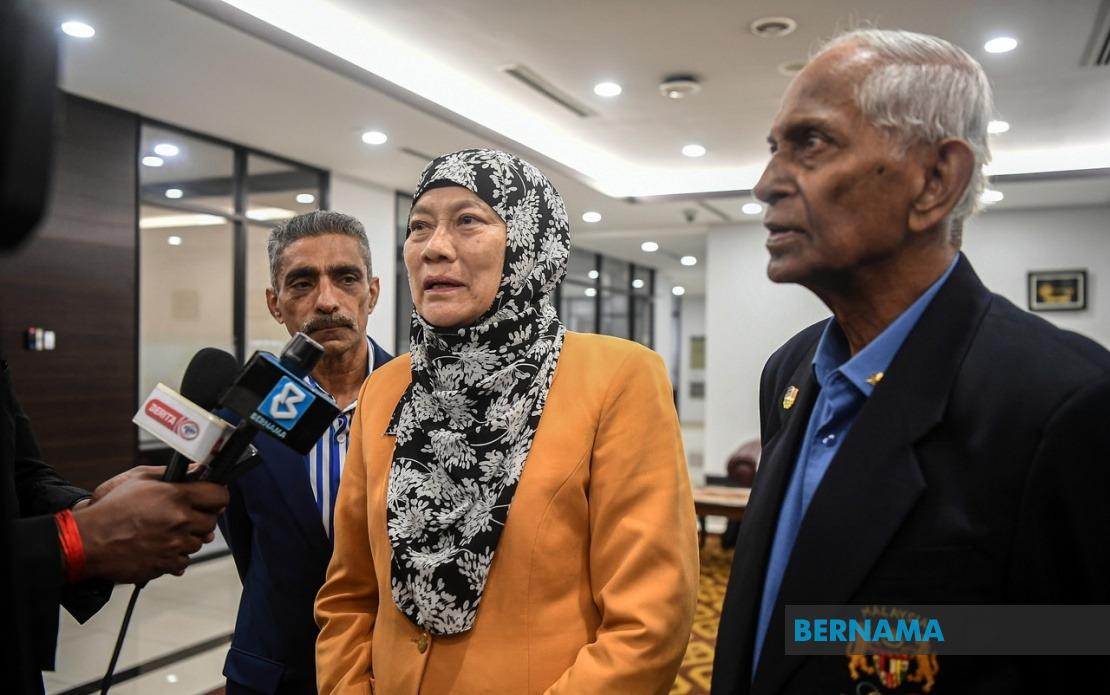
Zaiton articulated the concern during a meeting with Youth and Sports Minister Dr Mohammed Taufiq Johari at Parliament, where she was accompanied by Olympian Datuk Karu Selvaratnam and Datuk Noorul Ariffin Abdul Majeed, former chairman of the National Athletes Welfare Foundation. The delegation represented the Reformation in Sports and Excellence (RISE) initiative, signalling that governance concerns extend beyond isolated voices and reflect broader anxiety within Malaysia's sporting community about institutional health.
The concerns have emerged as Malaysia Athletics works to resolve constitutional misalignments with World Athletics standards. Malaysia Athletics president Karim Ibrahim took a leave of absence from his position ahead of an Annual General Meeting scheduled to address necessary amendments to align the organization's constitution with World Athletics requirements. This proactive step suggests awareness of the compliance gap, though critics argue remedial action should have occurred sooner given the visibility and international implications of the issues involved.
Karim Ibrahim's own history adds complexity to the governance narrative. He remains subject to a 2018 suspension imposed by World Athletics—a penalty upheld by the Court of Arbitration for Sport (CAS) upon legal challenge. Despite this sanction, he retained eligibility to contest and serve on the Asian Athletics Federation Executive Council through the 2019-2023 term, a technical nuance that reflects the sometimes-labyrinthine nature of international sports law and organizational hierarchies. The fact that a sanctioned individual continues to lead efforts toward compliance raises questions about whether structural reforms address underlying governance weaknesses.
Zaiton emphasized that while the government cannot directly intervene in the internal affairs of sports associations—a principle rooted in the autonomy traditionally granted to national governing bodies—the Sports Development Act 1997 provides the Ministry of Youth and Sports and the Sports Commissioner with specific authority to monitor compliance, issue reprimands, and enforce adherence to regulatory frameworks. This statutory authority represents potential leverage to ensure Malaysia Athletics implements necessary reforms and maintains standing with international bodies.
The emphasis on governance reform reflects a mature understanding within Malaysia's sporting establishment that institutional credibility and compliance underpin both athlete development and national sporting achievement. Poor governance at the federation level cascades downward, affecting coaching quality, competition standards, talent identification systems, and ultimately the ability of national athletes to compete at their peak internationally. Conversely, robust institutional frameworks create stability that allows athletes to focus on training and performance rather than navigating organizational dysfunction.
For Southeast Asian readers, the situation illuminates the vulnerability of national sports bodies to international compliance regimes. As sports governance becomes increasingly professionalized and international federations impose stricter constitutional and procedural requirements, nations must invest in professional management, legal expertise, and transparent decision-making processes to maintain standing with global bodies. Malaysia's experience serves as a cautionary reminder that even a major regional sporting power faces tangible consequences for governance shortcomings.
The coming weeks represent a pivotal moment for Malaysia Athletics as it works toward constitutional amendments and organizational restructuring. The success or failure of these efforts will determine not only the nation's ability to host athletics at the 2027 SEA Games but also the competitive opportunities available to Malaysian track and field athletes in the years ahead. The spotlight on governance issues has shifted from a potential embarrassment to an urgent operational imperative.