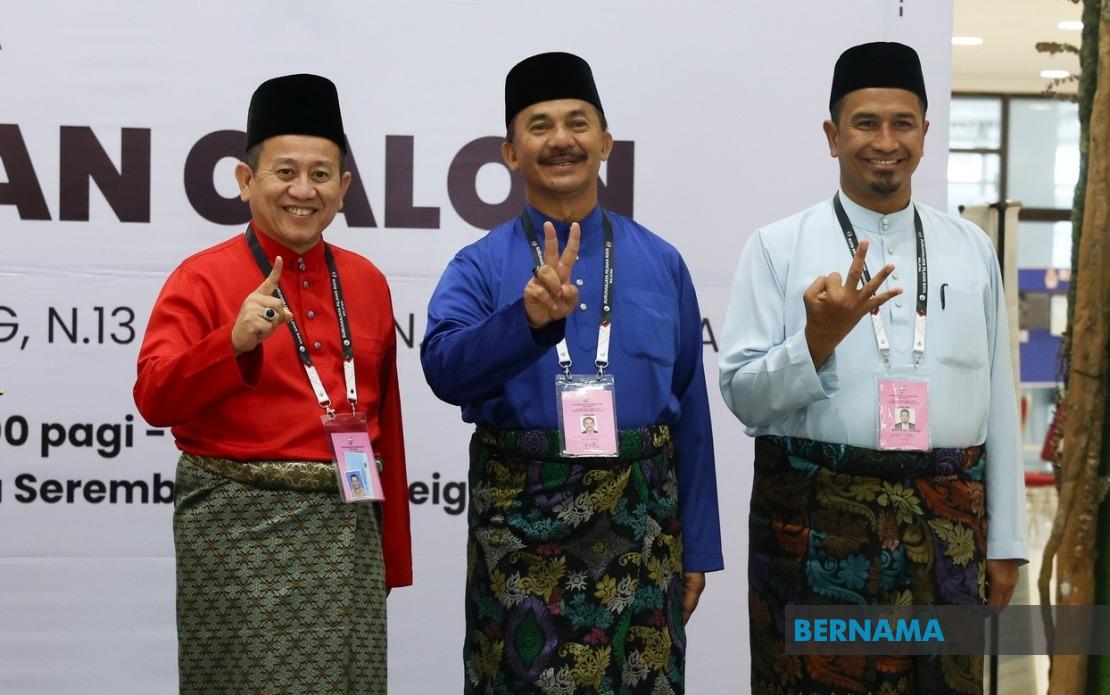
The 16th Negeri Sembilan State Election is poised to deliver a markedly different campaign landscape, distinguished by the prominent participation of first-time candidates who have injected genuine freshness into an electoral contest long dominated by familiar names and entrenched interests. As the nomination period concluded on July 18, political coalitions across the spectrum have struck a deliberate balance between experienced lawmakers and untested newcomers, a strategic calculation that reflects broader shifts in voter expectations and party management philosophy throughout the nation.
Pakatan Harapan, fielding candidates for all 36 State Legislative Assembly seats, has committed to bringing 24 debut candidates into the contest. This represents a substantial renewal of its political roster in a state where the coalition has maintained considerable influence. Alongside these newcomers, PH has strategically retained several high-profile incumbents to ensure continuity and leverage existing support networks. Among the established figures contesting under the PH banner is Datuk Seri Aminuddin Harun, the Negeri Sembilan PH Chairman, who has repositioned himself from the Sekamat seat to contest the Linggi constituency, a tactical shift designed to consolidate party strength in a different demographic area.
The presence of national figures further strengthens PH's campaign apparatus. Transport Minister Anthony Loke, who serves concurrently as DAP Secretary-General, will defend his Chennah seat, bringing significant clout and media attention to the coalition's broader narrative. Such high-profile names provide institutional weight and policy gravitas that counterbalance the inevitable inexperience of new candidates, allowing parties to present both continuity and innovation simultaneously.
Barisan Nasional has adopted a comparatively more conservative approach to candidate renewal, fielding 13 new faces among its 25 nominees. This suggests the coalition places greater emphasis on retaining experienced representatives who have previously proven successful in local contests. Datuk Seri Mohamad Hasan, UMNO Deputy President and Foreign Minister, will continue representing Rantau, cementing BN's reliance on senior ministerial figures to anchor voter confidence. Similarly, Datuk Seri Jalaluddin Alias, the BN state chairman, remains committed to defending the Pertang seat that he successfully secured in 2023, continuing the pattern of incumbent retention.
Interestingly, BN has also orchestrated some internal repositioning. Datuk Ismail Lasim, having represented Senaling in the previous state election, will now contest from Juasseh, demonstrating the coalition's willingness to relocate established candidates where electoral mathematics suggest improved prospects. This calculated movement of political assets across constituency boundaries reflects sophisticated campaign planning grounded in detailed polling data and demographic analysis.
Perikatan Nasional's participation across 11 seats reveals a more fragmented organizational structure encompassing multiple component parties—PAS, Gerakan, Parti Wawasan Negara, and the Malaysian Indian People's Party—each bringing their own candidate preferences and local networks. This coalition structure inherently necessitates compromise and power-sharing arrangements that constrain unified messaging, a structural disadvantage relative to the more cohesive PH and BN formations.
Bersatu's independent electoral participation represents a significant development. Contesting under its own party logo rather than adopting the Perikatan Nasional banner signals organizational autonomy and suggests confidence in standalone appeal. Datuk Tun Faisal Ismail Aziz, serving as party Information Chief, exemplifies Bersatu's commitment to generational renewal, though the party has balanced this with experienced defenders such as Hanifah Abu Bakar, who will again contest the Labu seat. This bifurcated strategy allows Bersatu to demonstrate both vitality and institutional memory simultaneously.
The broader competitive landscape extends beyond the three major coalitions. Parti Berjasa, Parti Orang Asli Malaysia, and Parti Sosialis Malaysia each field singular candidates, while four independent candidates complete the roster. Though individually marginal, these peripheral participants collectively represent 8 of the 103 total candidates, underscoring the complexity of electoral fragmentation within Negeri Sembilan's political ecosystem.
The candidate age profile offers revealing insights into generational change. The oldest candidate, Datuk Abd Latiff A Tambi at 70 years old, competes from the Gemencheh seat on the PH ticket, whilst Leevineshwaraan Murugan, a 23-year-old Bersatu nominee for Sri Tanjung, represents the youngest entrant. This near-50-year age differential symbolizes the span of political experience in contention and provides voters with explicit choices across generational lines. Younger voters may identify with fresh candidates untethered to historical political conflicts, whilst older constituencies may gravitate toward experience and established track records.
The election timeline has been structured to permit advance voting on July 28, with general polling scheduled for August 1. This compressed calendar provides limited time for new candidates to establish voter familiarity, potentially advantaging established names whose brand recognition already exists within constituencies. Campaign effectiveness will therefore depend considerably on party machinery efficiency and media coverage intensity.
For Malaysian voters, particularly those in Negeri Sembilan, this election fundamentally represents a choice not merely between coalitions but between competing visions of political renewal. The substantial presence of debut candidates signals parties' acknowledgment that voter preferences have shifted beyond traditional factional loyalties toward demanding demonstrable competence, policy clarity, and authentic commitment to local constituencies. The infusion of 58 new candidates among 103 total nominees suggests a political ecosystem in genuine transition, one where organizational hierarchies must increasingly justify themselves through performance rather than merely invoking historical legitimacy.

