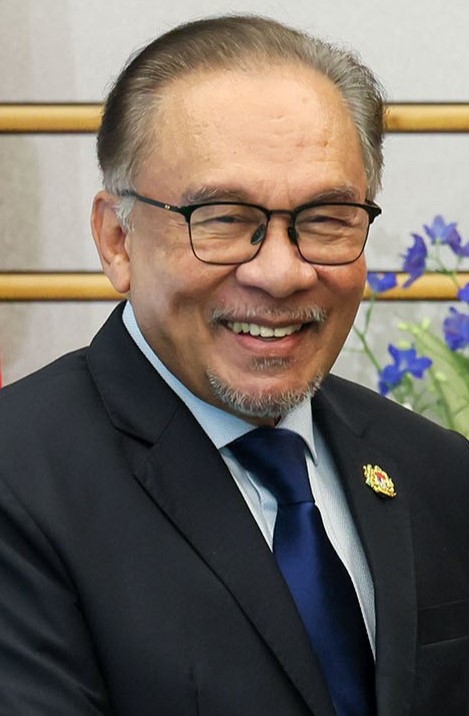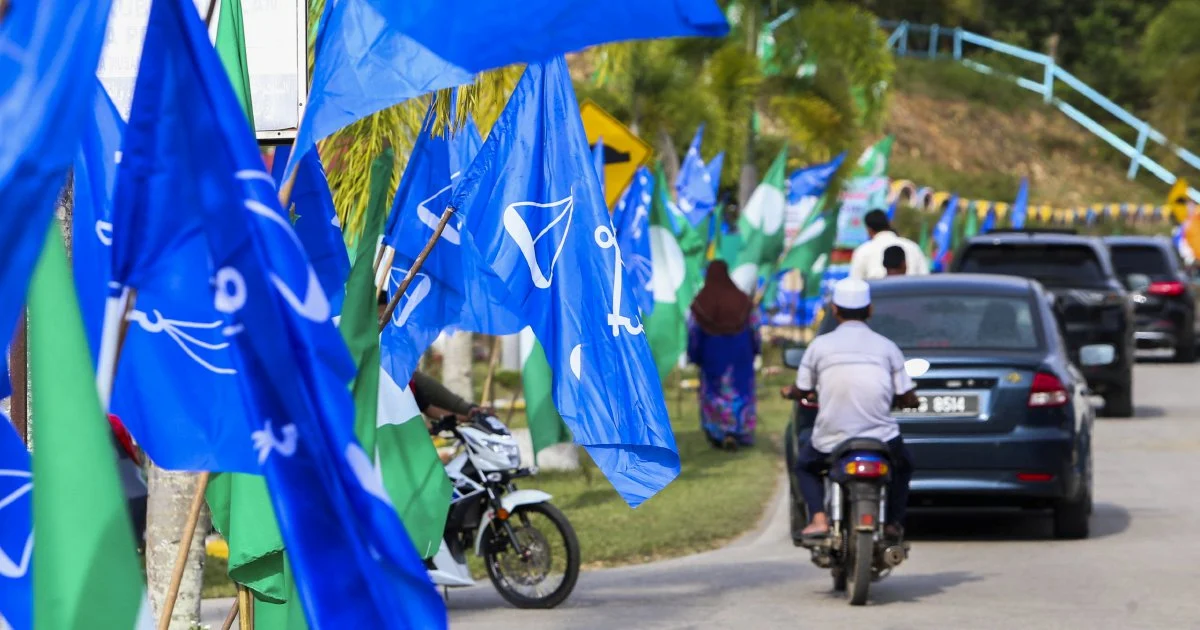
Pas Vice-President Datuk Mohd Amar Nik Abdullah has projected that Malaysia's 16th general election will probably take place sometime between late October and November, marking a significant timeline indicator from within the Islamic party as political speculation intensifies across the nation.
The timing projection carries particular weight given Pas's position as a major coalition partner in the current government framework. As one of the most electorally significant Malay-Muslim parties in Malaysia, Pas commands considerable influence in determining when an election might be advantageous for the ruling coalition. The party's informal signalling about election timing often reflects internal government discussions and strategic calculations that have not yet been formally announced by the Prime Minister or Election Commission.
An October-November window would provide several strategic advantages for the incumbent administration. The monsoon season in northern and eastern Malaysian states, which typically intensifies during late October through March, could potentially impact voter turnout in constituencies prone to flooding and poor road conditions. Holding elections before the worst of the wet season sets in would circumvent logistical challenges that could affect campaign effectiveness and voting accessibility in Peninsular Malaysia's eastern seaboard, particularly in states where Pas holds significant sway.
The projected timeline also aligns with Malaysia's constitutional frameworks and the tenure patterns of recent administrations. With the current political configuration having been in place for a considerable period, speculation about fresh electoral mandates has mounted steadily. An end-of-year election would allow sufficient time for campaigning and preparation while remaining within the typical political cycle expectations that observers have noted since the previous general election.
For voters and stakeholders across Malaysia, an October-November election would provide clarity during a period of considerable uncertainty. Economic conditions, inflation pressures, and public service delivery remain focal points for electorate evaluation. Political parties across the spectrum have been building momentum and organisational structures in anticipation of a possible call, with the timing window narrowing choices between competing agendas and policy platforms.
Regionally, the timing considerations reflect broader Southeast Asian political patterns. Neighbouring countries have similarly evaluated election timing through the lens of seasonal and economic conditions. Malaysia's approach to scheduling polling day has historical precedent—previous administrations have considered monsoon impacts, school calendars, and fiscal year transitions when determining optimal election periods.
Pas's public positioning on election timing also reflects the party's confidence in its electoral prospects. Having consolidated support across key constituencies, particularly in northern Malaysia, Pas leadership appears willing to contest an election at what it perceives to be a favourable moment. The party's involvement in the government coalition has allowed it to influence policy and maintain relevance among its support base, factors that may bolster confidence heading into fresh elections.
The October-November projection comes amid broader political manoeuvring by various coalitions preparing their respective campaign strategies. Opposition parties have similarly been organising for an election call, recognising that the current political window remains open. The predictability offered by Pas's statement, whether intentional or otherwise, allows stakeholders to calibrate their preparations accordingly.
For Malaysia's economy and business sector, election timing carries measurable implications. A mid-to-late year poll would conclude electoral processes by year-end, potentially providing stable governance into the new calendar year. This sequence allows incoming administrations or newly mandated governments to present annual budgets and fiscal plans without the uncertainty that might otherwise cloud investor confidence during campaign seasons.
International observers and diplomatic circles also monitor Malaysian election timing closely, as the nation's political stability influences regional dynamics and bilateral relationships. An October-November election would place Malaysia's political recalibration within a comprehensible international timeline, allowing external stakeholders to adjust their engagement strategies accordingly.
While Pas Vice-President Datuk Mohd Amar Nik Abdullah's statement does not constitute official confirmation from the Election Commission or Prime Minister's office, such projections from senior government coalition figures typically reflect informed assessments of internal discussions. The specificity of the late October to November window suggests substantive deliberation has already occurred regarding feasible dates and optimal timing conditions.
The coming months will prove decisive for Malaysian politics. Parties must finalise candidate selections, refine policy platforms, and mobilise grassroots support networks in anticipation of what appears to be an increasingly foreseeable election window. Voters nationwide will likely begin intensifying scrutiny of government performance and opposition proposals, recognising that a formal election call may arrive with limited notice once the Election Commission receives the green light to proceed.
Ultimately, while no election date remains certain until formally announced, Pas's public timeline projection signals that Malaysia's political leadership has substantially narrowed its options to a definite seasonal and monthly window, bringing greater clarity to an otherwise fluid political environment and allowing all stakeholders to prepare for what appears to be an imminent democratic exercise.