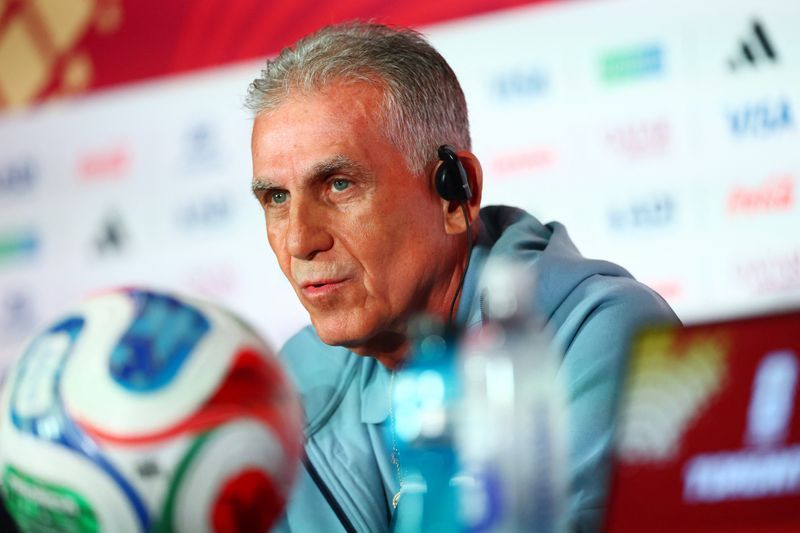
Ghana will take the field against Panama in their World Cup Group L encounter with or without Thomas Partey, according to coach Carlos Queiroz, who declared the West African side's readiness for the critical fixture at Toronto Stadium. Speaking at a press conference on Tuesday—mere hours before a Canadian federal court was set to rule on an appeal challenging the midfielder's entry refusal—Queiroz projected calm resolve, emphasising that his tactical blueprint remained intact regardless of whether the Villarreal player could participate.
The saga surrounding Partey's presence at the tournament has dominated pre-match discourse. Canadian authorities had denied the midfielder entry to the country, a decision that triggered swift legal action from Ghanaian officials determined to overturn the ruling. The midfielder faces allegations of rape and sexual assault in British courts, charges he has consistently denied. The timing of the court hearing—just one day before Ghana's decisive group-stage encounter—added urgency and uncertainty to Queiroz's preparation.
Queiroz's measured demeanour at the press conference reflected the professionalism expected of a veteran coach navigating a complex situation. When pressed on Partey specifically, the 73-year-old Portuguese tactician declined to elaborate, dismissing speculation as peripheral to his core responsibility. "To add more comments about issues that are nonsense is not part of my business," he stated tersely. His philosophy centred on adaptation and resource management—a pragmatic approach that acknowledged contingency planning without conceding psychological ground to the controversy.
The coach's tactical assessment of Panama revealed a deep understanding of his opponents. He characterised the Central American side as well-organised and experienced, attributes earned through their qualification achievements and tournament pedigree. Yet Queiroz avoided the trap of over-respecting their capabilities, identifying specific vulnerabilities he believed Ghana could exploit. This balanced evaluation—acknowledging strength whilst isolating weaknesses—underpinned his confidence in Ghana's competitive capacity.
When articulating Ghana's offensive potential, Queiroz catalogued a range of attacking assets. The squad possessed quality across multiple dimensions: genuine experience accumulated through previous World Cup campaigns, technical skill at individual level, physical pace to trouble defensive systems, and dribbling ability in one-on-one situations. His emphasis on Ghana's strength in direct encounters suggested a match plan favouring dynamic, aggressive football rather than cautious containment. The coach appeared intent on dictating tempo and intensity rather than merely responding to Panama's approach.
Beyond tactical discussion, Queiroz engaged with the broader governance debate surrounding this World Cup tournament. The mandatory hydration breaks mandated by FIFA had attracted criticism and commentary from players and coaches questioning their necessity and implementation. Queiroz adopted a circumspect stance, arguing that premature judgment served little purpose. Instead, he called for comprehensive evaluation upon the tournament's conclusion—specifically requesting what he termed an "integrity report" examining whether the rule genuinely prioritised player welfare or served commercial interests.
The coach's demand for transparent scrutiny reflected deeper scepticism about FIFA's decision-making processes. By invoking "integrity," Queiroz suggested that the governing body's motives required independent verification. His implication—that marketing considerations might outweigh genuine health concerns—articulated a suspicion shared by many within professional football that rule changes sometimes serve financial rather than sporting objectives. This critical stance, voiced diplomatically, nonetheless positioned Queiroz as a thinking coach unwilling to accept regulatory decisions uncritically.
For Malaysian and Southeast Asian audiences, the Ghana-Panama encounter carries broader significance within World Cup Group L dynamics. Both nations occupy crucial positions in the tournament structure, and the outcome directly influences qualification prospects. Ghana's experience and recognised global standing contrast with Panama's emergence as a formidable CONCACAF representative. The match represents the type of genuinely competitive encounter that defines modern World Cup football, where continental powerhouses clash with rising challengers.
Queiroz's tenure as Ghana coach brought extensive European pedigree to West African football. His previous roles with Portugal and other continental sides meant he approached international management with cosmopolitan tactical awareness. This experience base informed his measured confidence ahead of facing Panama—neither dismissive of the opposition nor paralysed by respect. The balance suggested a coach comfortable operating under pressure, accustomed to navigating complex political and sporting environments whilst maintaining focus on matchday performance.
The uncertainty surrounding Partey's availability remained genuinely consequential. If the midfielder successfully gained entry, Ghana would regain access to a player of demonstrable quality and experience at European elite level. If the appeal failed, Queiroz would need to reorganise his midfield structure, potentially shifting tactical approach and team selection accordingly. His pre-match rhetoric—emphasising preparedness regardless of circumstance—functioned both as genuine tactical statement and psychological reassurance to Ghana's supporters and media contingent.
As the teams prepared for Wednesday's encounter, the broader context of international football justice and governance intersected with sporting competition. Queiroz's refusal to allow extraneous issues to distract from technical preparation exemplified the professional detachment required of modern coaches. Yet his demand for accountability regarding FIFA's rule modifications demonstrated that accepting governance did not require abandoning critical perspective. Ghana's World Cup campaign would unfold against this complex backdrop of legal proceedings, commercial pressures, and sporting ambition.

