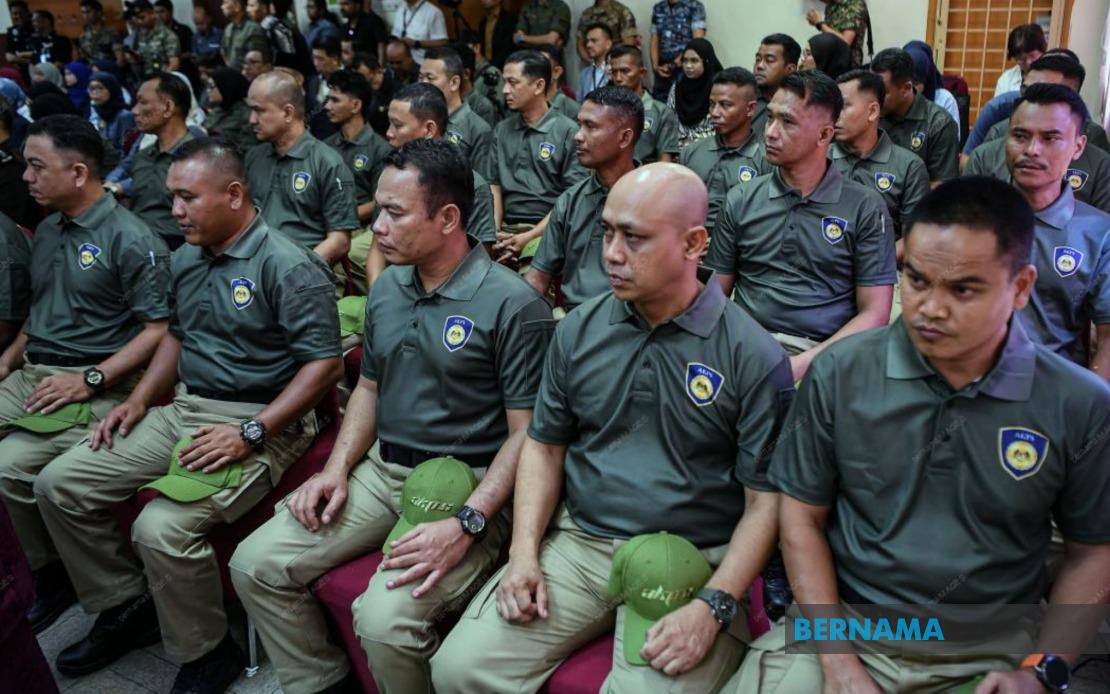
The Malaysian government has moved to reassure thousands of Border Control and Protection Agency (AKPS) personnel that their employment security, advancement opportunities and welfare entitlements will remain fully intact as the organization transitions to a new service framework administered by the Public Service Department beginning July 1. Deputy Home Minister Datuk Seri Dr Shamsul Anuar Nasarah made the commitment during parliamentary questioning on June 25, signalling official concern about workforce stability amid the structural reorganization of a critical national institution.
The assurances address anxieties within AKPS ranks that the shift could disadvantage officers in terms of career progression, length-of-service recognition, superannuation arrangements or broader employment protection. Dr Shamsul emphasized that personnel electing to remain within their original departmental service classifications will experience no detriment whatsoever. This approach respects existing contractual relationships while accommodating those who prefer to adopt the new organizational framework, reflecting a compromise between institutional modernization and employee protection.
AKPS itself represents a significant consolidation effort, having been formed through the integration of multiple enforcement bodies responsible for securing Malaysia's extensive border infrastructure. The agency now oversees movement control across 122 formal entry points nationwide, coordinating the flow of people and merchandise across the country's maritime, air and land boundaries. This expansive remit makes AKPS operationally critical to national security, trade facilitation and immigration administration, rendering workforce morale and retention directly relevant to Malaysia's strategic interests.
The staffing architecture that AKPS inherited from its constituent agencies relied heavily on temporary secondments, a transition mechanism that has now evolved into permanent establishment discussions. Officers previously deployed from their parent agencies into AKPS positions filled those roles through formal reassignment arrangements rather than direct recruitment. The pending restructuring therefore requires clarification about future organizational placement, a concern that Dr Shamsul addressed by confirming that personnel declining transfer appointments would maintain interim status within AKPS pending final disposition.
For those who do not transition into the new scheme, alternative pathways remain available through repatriation to their original departments, subject to position availability and organizational requirements as determined by respective departmental heads. This dual-track approach provides flexibility while acknowledging that not all seconded officers may wish to transfer permanently. The arrangement also recognizes bureaucratic realities: parent agencies will ultimately govern whether returning personnel can be accommodated given existing staffing levels and operational demands.
Current AKPS staffing levels reveal both progress and ongoing gaps in establishment. As of mid-June, the agency had filled 6,824 of its 8,403 authorized positions, representing approximately 81 percent occupancy. The 1,579 remaining vacancies represent a meaningful shortfall affecting operational capacity across the border security apparatus. Dr Shamsul indicated that filling these gaps proceeds collaboratively among AKPS leadership, the Home Ministry, the Public Service Department and the relevant parent agencies, suggesting a coordinated recruitment effort rather than isolated departmental initiatives.
To attract and retain qualified personnel despite the organizational transition, AKPS offers financial incentives absent from standard civil service packages. Officers receive additional annual salary increments beyond baseline compensation, supplemented by a RM200 service incentive payable periodically. These supplementary arrangements aim to offset the uncertainty associated with reorganization while compensating staff for the specialized demands of frontier duties, where officers face irregular hours, challenging conditions and heightened security responsibilities. The economic incentive package signals governmental recognition that border security roles require inducements beyond conventional remuneration.
The timing of this restructuring carries broader implications for Southeast Asian border management as the region navigates complex security challenges including transnational trafficking, irregular migration and resource trafficking. AKPS modernization reflects Malaysian policymakers' determination to enhance institutional capacity at points of entry and exit, where intelligence gathering, risk assessment and law enforcement intersect. Service scheme reforms fundamentally reshape how personnel are managed, deployed and held accountable across these critical touchpoints.
Parliamentary oversight of the transition process, demonstrated through Rushdan Rusmi's question regarding institutional stability and civil servant welfare, reflects legitimate legislative interest in protecting workforce rights during administrative restructuring. The Deputy Home Minister's detailed response—covering everything from promotion safeguards to vacancy statistics—acknowledges that large-scale organizational change requires transparent communication and credible assurances to affected employees. This parliamentary engagement establishes a public record of government commitments should future disputes arise over implementation.
The restructuring's success ultimately depends on maintaining operational continuity at entry points where border officials process hundreds of thousands of transactions daily. Service interruptions due to staff uncertainty or morale deterioration could compromise trade flows, passenger processing and security screening across the entire border network. By explicitly protecting existing rights and offering alternative pathways for those uncomfortable with transition, the government attempts to minimize disruption while proceeding with modernization.
Looking forward, the July 1 implementation date approaches as AKPS enters a critical phase requiring careful personnel management, transparent communication and genuine commitment to protecting officer interests. The gap between authorized and filled positions will need attention beyond the transition period itself, particularly if vacancy rates affect border security effectiveness. Malaysian stakeholders—from civil service unions to business groups dependent on efficient border processing—should monitor whether the government delivers on its assurances and whether the new service scheme ultimately enhances or undermines AKPS operational performance across the nation's 122 international gateways.

