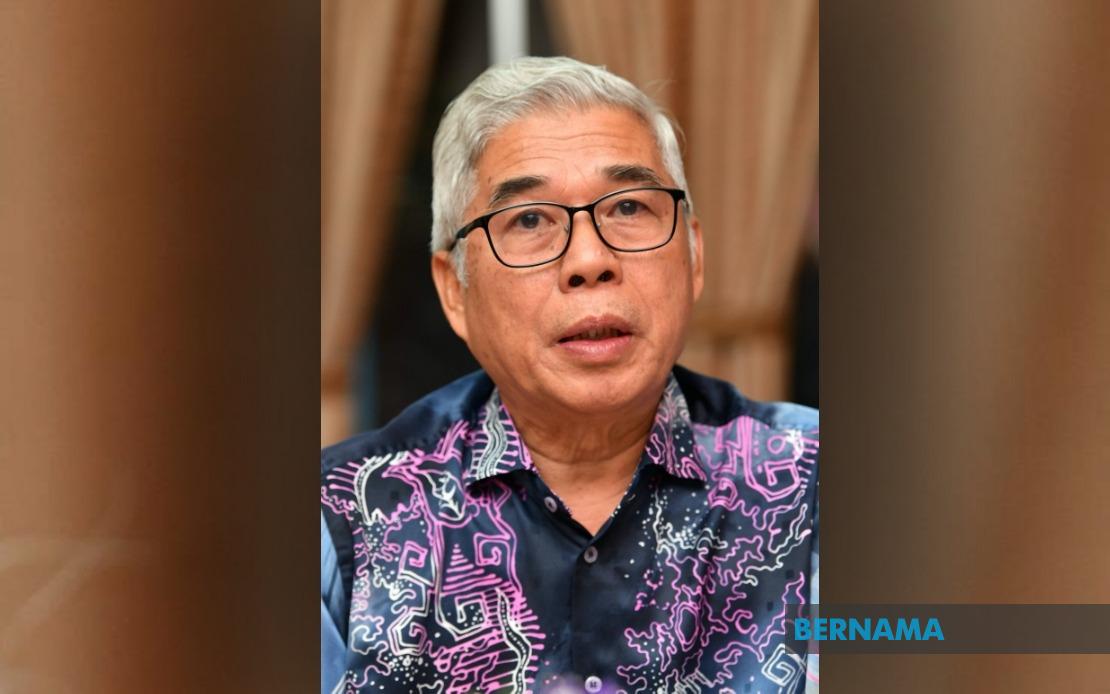
Pasir Gudang Member of Parliament Hassan Abdul Karim has made a pointed appeal to the ruling MADANI Government to avoid calling an early general election, contending instead that the administration should exhaust its constitutional term and allow its policy agenda to bear fruit. His intervention comes amid speculation about a potential early dissolution of Parliament, particularly following mixed electoral performances by PKR in recent state-level contests across Sabah, Johor and Negeri Sembilan.
In a carefully worded Facebook statement titled "DON'T CRY PKR, Dunia Belum Kiamat" (Don't Cry PKR, The World Has Not Ended), Hassan sought to reassure his party while simultaneously counselling patience and strategic restraint at the highest levels of government. The message reflects an apparent tension within MADANI's coalition, with some voices advocating for prompt consolidation of electoral support whilst others argue that premature polling could squander the opportunity to demonstrate governmental competence in areas critical to economic recovery and public confidence.
Hassan's central thesis hinges on the proposition that Prime Minister Datuk Seri Anwar Ibrahim should resist the temptation to dissolve Parliament hastily in response to recent electoral setbacks. Instead, he contends that PKR should take time to conduct a thorough post-mortem of state election results, reorganise its organisational machinery, and craft a more effective electoral strategy. The implication is clear: tactical retreat and consolidation now could yield superior positioning for a general election fought when governing has tangibly improved conditions rather than merely promised reform.
The timeframe Hassan advocates—extending the government's current mandate until late 2027 or early 2028—would allow nearly four full years from the start of MADANI's tenure for its economic programmes to demonstrate measurable results. This duration is premised on the assumption that macroeconomic improvements, visible signs of reduced corruption, and improved public service delivery require a minimum period to materialise and gain popular recognition. Within Malaysian political culture, where voter memory tends to crystallise around recent performance indicators, this timing could prove strategically advantageous for a governing coalition seeking renewal of its mandate.
The MP emphasised that the next 12 to 18 months offer a critical window for the government to strengthen Malaysia's economic foundations, attract substantial foreign direct investment, and rebuild public confidence in institutional performance. By Hassan's logic, these achievements would constitute the most credible campaign narrative available to MADANI when facing voters at a general election. Conversely, an early poll fought during a period when such gains remain nascent or uncertain could allow opposition forces to frame the government's record as incomplete and inadequate.
Hassan's statement also reflects pragmatic recognition that electoral sentiment responds to prevailing mood. Recent state election results in Sabah, Johor and Negeri Sembilan have generated negative perceptions within PKR and its coalition partners, creating what he characterises as a "sentiment" that could unduly influence the timing of a general election. By attempting to depersonalise recent setbacks and redirect focus toward long-term institutional performance rather than immediate political recovery, Hassan seeks to build intellectual case for patience amongst a potentially impatient political base.
The invocation of economic policy delivery as the centrepiece of a renewed government mandate is strategically significant for a coalition that came to power during economic uncertainty and has faced persistent criticism from opposition parties regarding management of inflation, employment and investment. Hassan's framing suggests that by 2027-2028, substantially improved economic metrics could overwhelm other considerations in voter calculations. This reflects broader understanding within MADANI circles that voter dissatisfaction with economic circumstances represents its primary vulnerability.
Hassan's exhortation to party members and supporters not to succumb to despondency following recent electoral losses serves multiple functions. On one level, it addresses potential demoralisation within PKR's grassroots; on another, it subtly reminds senior party leadership that maintaining cadre morale and organisational cohesion requires plausible narrative of eventual victory. By framing temporary electoral setbacks as surmountable obstacles rather than harbingers of terminal decline, Hassan attempts to sustain internal party momentum during a politically vulnerable period.
For Malaysian observers and Southeast Asian political analysts, Hassan's intervention illuminates the genuine complexity of governing coalition management. MADANI is not monolithic; different components hold varying assessments regarding the optimal timing for electoral renewal. While some parties and faction may fear continued erosion of support if elections are delayed, others judge that remaining in government and demonstrating policy delivery offers superior long-term prospects. Hassan's statement articulates the latter perspective with clarity and strategic reasoning.
The broader implication extends to questions about institutional confidence and democratic maturity. Hassan's argument that governments should be afforded reasonable time to implement programmes and demonstrate competence rather than facing immediate electoral judgment reflects a particular vision of democratic governance. Whether Malaysian voters will ultimately reward such patience, or whether opposition narratives gain traction during the intervening period, remains uncertain. What is evident is that discussion of GE16 timing will likely remain contested terrain within and beyond the ruling coalition as 2024 progresses.

