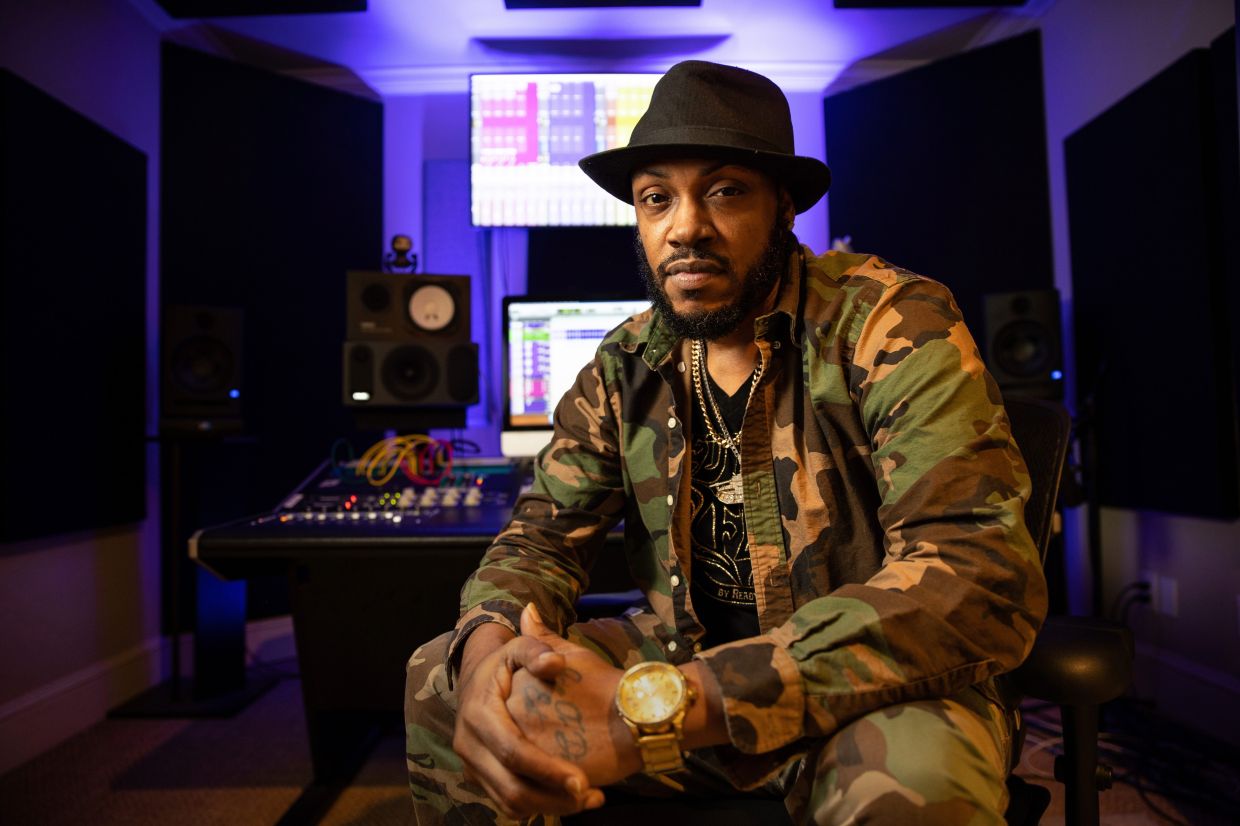
US rapper Mystikal, born Michael Lawrence Tyler, will spend the next two decades behind bars following his conviction for raping a woman at his Louisiana residence in 2022. The rapper, who earned multiple Grammy nominations during the early 2000s at the peak of his career, received the sentence this week after accepting responsibility for the crime through a guilty plea to third-degree rape charges.
In March of this year, Mystikal accepted a plea agreement that capped his potential sentence at 20 years, significantly lower than the maximum punishment available under Louisiana law. The deal also represented a substantial reduction in severity compared to the original charge of first-degree rape, which would have automatically imposed a life sentence with no possibility of parole. Legal experts note that plea agreements of this nature typically reflect negotiations between prosecutors and defence teams seeking to avoid lengthier trials while securing guilty verdicts.
The sentencing hearing on Tuesday revealed the disturbing nature of the assault. The victim provided testimony describing an attack that involved multiple forms of violence. According to local reporting from ABC affiliate WBRZ, the woman detailed how Mystikal punched her, choked her, pulled out her braids, and forcibly raped her at his home in Prairieville, located approximately 18 miles south of Baton Rouge. Her presence in the courtroom underscored the human cost of the crime and gave voice to a victim whose suffering extended far beyond the physical injuries sustained during the assault.
In a striking moment captured during the hearing, Mystikal appeared to acknowledge the severity of his actions. When responding to the victim's testimony and her request for maximum punishment, he reportedly told the judge: "If I did that to you, I deserve the max sentence." The statement suggested some recognition of the harm caused, though legal observers note that such expressions of remorse near the conclusion of criminal proceedings can carry limited weight given the long period between the alleged offence and the conviction.
Just days before the sentencing hearing, Mystikal's legal team attempted to withdraw the guilty plea, filing a motion that argued their client "did not have sufficient opportunity to fully consider the consequences" of accepting responsibility for the crime. The move was ultimately unsuccessful, and the plea stood firm. This last-minute reversal attempt, which ultimately failed, highlighted the tension between strategic legal maneuvering and the finality that comes with guilty pleas in serious criminal cases.
The rapper has remained in custody at Ascension Parish Jail since his arrest in 2022, held without bond as he awaited trial. His confinement reflects the seriousness with which authorities treated the allegations and the judge's assessment that he posed a risk either to public safety or as a flight risk. During the extended pretrial detention period, Mystikal has had considerable time to contemplate his circumstances and the collapse of his entertainment career.
Mystikal's criminal history includes a previous sexual assault conviction that demonstrates a troubling pattern of behaviour. In 2003, he pleaded guilty to sexual battery and received a six-year prison sentence for that earlier offence. The fact that he committed a similar crime two decades later, despite having served time for a related conviction, raises serious questions about rehabilitation and the effectiveness of the criminal justice system in preventing recidivism among perpetrators of sexual violence.
During his initial rise to prominence in the 1990s, Mystikal became a recognizable name in hip-hop and mainstream music. He achieved notable commercial success, including a substantial hit in 2000 that introduced his distinctive vocal style and energetic delivery to wider audiences. His early 2000s work earned him Grammy nominations in multiple categories, reflecting his relevance within the music industry at that particular moment. However, his 2003 sexual battery conviction effectively derailed his mainstream momentum, and the recent conviction will definitively end any possibility of professional rehabilitation or return to the music industry.
The case serves as another reminder of the persistent problem of sexual violence within entertainment industries and broader society. While the conviction and sentencing represent accountability through the legal system, advocates for survivors continue to emphasize that criminal punishment addresses only one aspect of a much larger societal issue. The victim's courage in testifying and seeking justice demonstrates the personal strength required of survivors to participate in legal proceedings against powerful figures with resources for lengthy legal battles.
For Malaysian and Southeast Asian audiences, this case reflects global patterns regarding sexual assault within entertainment sectors and the increasing willingness of victims to come forward despite the personal costs involved. The case also underscores broader questions about how the entertainment industry, globally, addresses allegations of sexual misconduct and whether the profession adequately protects vulnerable performers and those working within these spaces. As the #MeToo movement continues to influence how these allegations are handled internationally, the accountability shown in Mystikal's conviction demonstrates that even established performers face serious consequences in jurisdictions with robust legal protections for sexual assault survivors.

