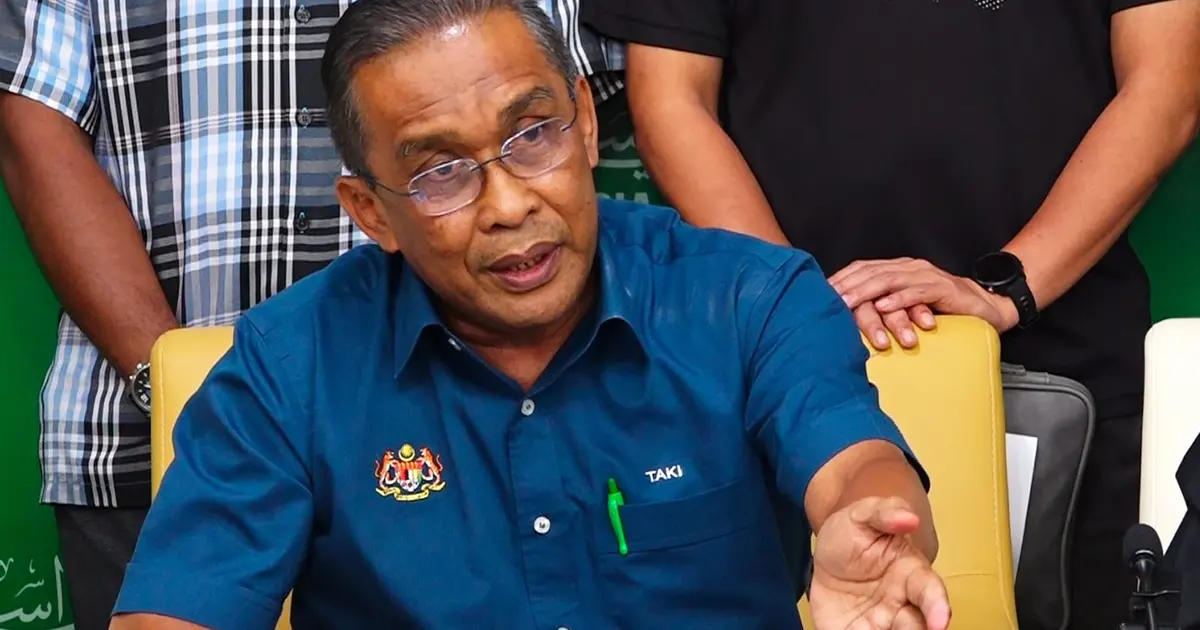
Perikatan Nasional's chief whip submitted formal notification to the Speaker of Dewan Rakyat regarding the appointment of Hamzah Zaman as the opposition leader, marking a significant realignment in parliament's political dynamics. The move comes after securing the backing of 61 opposition parliamentarians who endorsed the former Bersatu deputy president for the position, a crucial threshold that demonstrates substantial consensus within the bloc.
The timing of Hamzah's elevation to opposition leader reflects broader strategic calculations within Perikatan Nasional, which has been navigating complex inter-party dynamics since the 2023 general election. His return to the leadership position represents not merely a personnel change but a reassertion of the coalition's organisational coherence during a period when maintaining unified opposition messaging has proven challenging across Malaysia's fractious political landscape.
Hamzah's previous experience in senior parliamentary roles and his standing within Bersatu provide institutional credibility for the position. As deputy president of Bersatu—a party that has been instrumental in Perikatan Nasional's electoral performance—his appointment signals the coalition's confidence in maintaining disciplined parliamentary conduct. This becomes particularly relevant given the narrow margins by which government business often passes through parliament in Malaysia's current political environment.
The notification process itself carries constitutional weight. Formally advising the Speaker establishes the opposition leader's legal recognition and corresponding parliamentary privileges, including priority in submitting parliamentary questions, leading opposition debates during key sessions, and commanding media attention during significant legislative moments. These procedural mechanisms fundamentally shape how opposition parties can exercise scrutiny over the government.
For Malaysian governance, the establishment of a clearly designated opposition leader provides institutional stability in parliament. The Westminster-influenced system presumes the existence of recognised opposition leadership with defined responsibilities for holding government accountable. Without such clarity, parliamentary oversight becomes fragmented and less effective, a particular concern given Malaysia's mixed record on legislative scrutiny and government transparency.
The fact that 61 MPs agreed to support Hamzah's appointment demonstrates the practical capacity of Perikatan Nasional to maintain cohesion around leadership decisions. In Malaysian parliament, where government majorities have occasionally relied on narrow advantages, the opposition's ability to maintain internal discipline directly influences the legislative agenda's pace and character. This consensus suggests the coalition has managed potential internal rivalries concerning the opposition leadership role.
From a regional perspective, Malaysia's opposition dynamics carry implications for Southeast Asian democratic practices. The coalition includes parties representing diverse constituencies and ideological positions, from Islamist movements to multiracial formations. The ability to maintain coherent opposition leadership despite these differences offers lessons for other pluralistic democracies in the region grappling with managing diverse political coalitions.
Hamzah's appointment also reflects the evolving role of Bersatu within Malaysian politics. The party has undergone significant transformation since its formation, shifting between government and opposition roles. His elevation as opposition leader underscores Bersatu's strategic importance within Perikatan Nasional's structure and its capacity to generate MPs capable of commanding parliamentary respect and media presence.
The parliamentary consequences of this appointment will become evident in the coming months. Opposition leaders in Malaysia traditionally lead questioning during parliamentary sessions, coordinate responses to government policy announcements, and articulate the coalition's policy alternatives. Hamzah's effectiveness in these roles will substantially determine whether Perikatan Nasional can sharpen its opposition credentials and potentially rebuild support eroded during recent electoral contests.
Looking ahead, the stability provided by a formally recognised opposition leader may facilitate more structured parliamentary engagement. Rather than ad hoc opposition interventions from multiple quarters, a unified leadership structure allows parliament to function more predictably. However, this assumes Hamzah can maintain the coalition's discipline while navigating the competing interests of member parties and individual MPs seeking attention and influence within the opposition framework.
The appointment also carries longer-term strategic implications for Perikatan Nasional's positioning for future elections. Opposition leaders frequently become de facto potential prime ministers, and Hamzah's visibility in this role will shape public perception of the coalition's readiness for government. His parliamentary performance and media engagement over coming months will test whether the coalition can credibly present itself as a viable alternative government.
Finally, this development underscores the continuing importance of formal parliamentary procedures in Malaysian democracy. Despite informal power dynamics often characterising Malaysian politics, the requirement to formally notify the Speaker and secure parliamentary recognition of opposition leadership maintains institutional guardrails around democratic practice. These procedural requirements, though sometimes seeming technical, provide the framework through which Malaysia's democratic institutions function.

