Parti Wawasan Negara, the recently rebranded political vehicle formerly known as Parti Cinta Malaysia, has signalled its ambition to assume a peacemaking role in Malaysian politics by positioning itself between two of the nation's most influential Malay-based parties, PAS and UMNO. The move reflects growing concerns within Malaysia's political establishment about the consequences of sustained friction between these heavyweight organisations, particularly given their combined influence over the Malay-Muslim electorate and the Malay-dominated federal government structure.
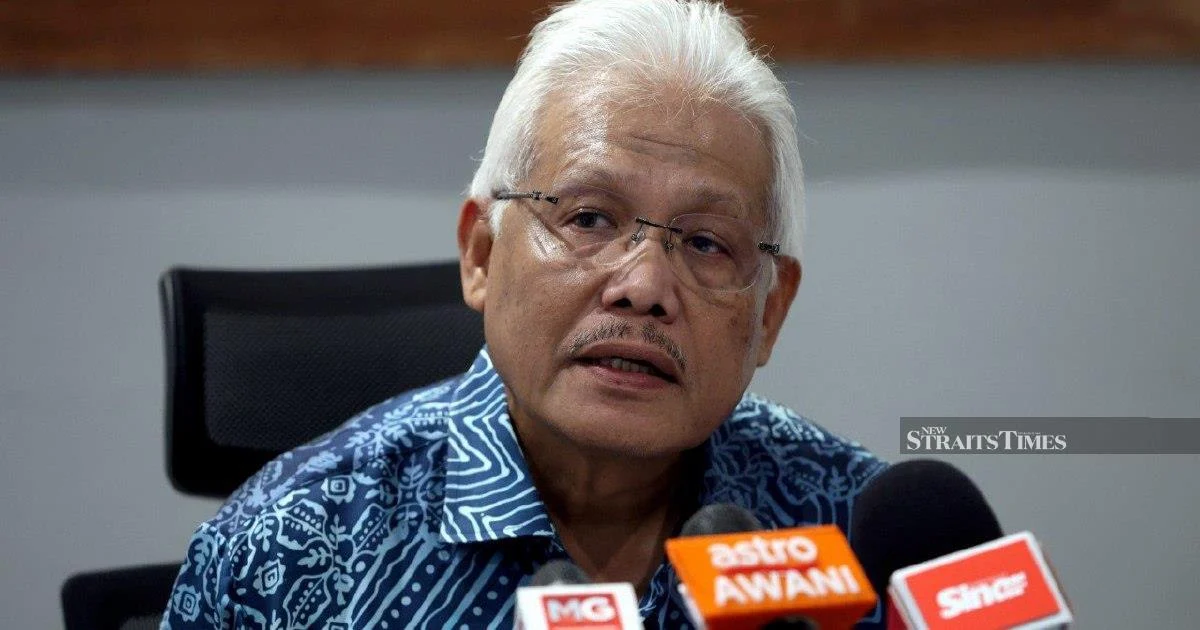
Under the leadership of Hamzah Zainudin, a veteran politician with extensive experience navigating Malaysia's complex political landscape, the party has adopted a constructive rather than confrontational stance towards the larger political players. This approach represents a departure from the adversarial mindset that typically characterises Malaysian politics, where nascent parties often attempt to carve out space through aggressive differentiation. Instead, Parti Wawasan Negara has chosen to frame itself as a stabilising force capable of identifying common ground between PAS and UMNO, whose relationship has historically oscillated between cooperation and competition depending on electoral cycles and intra-party dynamics.
The tensions between PAS and UMNO stem from multiple sources: ideological differences regarding the proper relationship between Islam and governance, competing claims over representation of Malay interests, and practical disputes over seat allocation and electoral alliances. These tensions have intensified in recent years as both parties vie for dominance within Malay-Muslim politics, sometimes to the detriment of broader political stability. The emergence of Parti Wawasan Negara as a mediatory force suggests that at least some political actors recognise the costs of perpetual conflict and view a neutral facilitator as potentially valuable.
For Malaysian readers, the significance of this initiative lies in its potential implications for future coalition-building at the federal level. The composition and stability of government coalitions directly affect policy implementation, resource allocation, and the consistency of governance. When the primary Malay-based parties are at loggerheads, coalitions become fragile, governments become vulnerable to sudden collapse, and the political system enters periods of uncertainty that can dampen economic confidence and complicate long-term planning. A party explicitly dedicated to bridging these gaps could theoretically contribute to more stable governing arrangements.
The rebranding from Parti Cinta Malaysia to Parti Wawasan Negara itself carries symbolic weight. The new name emphasises national vision rather than patriotic sentiment, suggesting a forward-looking orientation concerned with strategic governance rather than emotional appeals. This nomenclatural shift appears deliberate, designed to signal intellectual heft and policy-focused engagement rather than populist mobilisation. For a party aiming to play a mediatory role, such positioning matters considerably, as it establishes credibility with established political operators who might otherwise dismiss the effort as naive or self-serving.
Hamzah Zainudin's personal standing within Malaysia's political circles provides important ballast for this initiative. His career trajectory—holding significant positions within government and within various political structures—has familiarised him with the operational mechanics of Malaysian politics at elite levels. This insider perspective, combined with whatever political capital he has accumulated, provides a foundation upon which a credible mediation effort might be constructed. Politicians and parties are more likely to engage seriously with a would-be mediator who understands their institutional constraints and political pressures.
The emphasis on preventing divisions that could prove detrimental to ordinary Malaysians reflects awareness of governance costs. When political elites are absorbed in internecine conflicts, they have less bandwidth for substantive policy work. Infrastructure projects stall, legislation moves slowly through parliament, and the administrative apparatus becomes subject to political uncertainty that undermines efficiency. From a public interest perspective, political stability and elite consensus on major policy directions deliver tangible benefits to citizens through more coherent and consistent governance.
However, the success of such a bridging initiative remains contingent on whether PAS and UMNO leadership perceive genuine mutual advantage in cooperation and whether fundamental policy differences can be bracketed in favour of pragmatic alliance-building. The history of Malaysian political agreements suggests that such convergence is possible when circumstances align, though it often proves temporary and reversible. The strength of electoral incentives, ideological convictions, and organisational interests that divide these parties should not be underestimated.
Regionally, Malaysia's internal political stability has implications beyond its borders. As a major Southeast Asian economy and a key player in regional organisations, political uncertainty in Kuala Lumpur can reverberate across the region. Sustained governmental effectiveness and policy continuity matter for Malaysia's engagement with regional partners on trade, security, and other matters. To the extent that mediation efforts contribute to more stable domestic politics, they indirectly serve Malaysia's regional interests.
The coming months will reveal whether Parti Wawasan Negara can translate its mediatory ambitions into actual political influence. The party must demonstrate both that it possesses leverage capable of persuading larger parties to make concessions and that any agreements it facilitates actually prove durable. Without demonstrable success in bringing PAS and UMNO closer together on substantive matters—whether electoral cooperation, legislative priorities, or governance principles—the party risks being dismissed as a marginal actor playing at political theatre. Conversely, even modest successes in reducing friction or creating frameworks for consultation could enhance Hamzah Zainudin's profile and provide his party with genuine political space.

