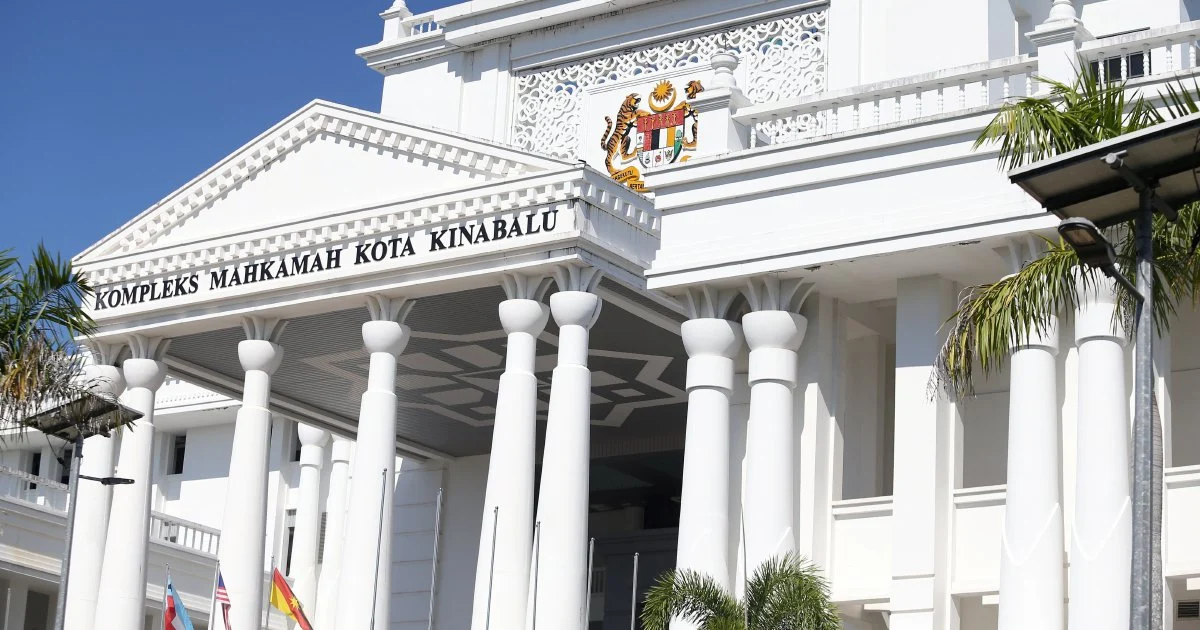
A forensic handwriting expert has reiterated her professional assessment during proceedings in the Coroner's Court in Kota Kinabalu, insisting that her analysis of the late Zara Qairina Mahathir's journals revealed inconsistencies suggesting multiple authors were responsible for certain entries. The expert's unwavering stance adds significant complexity to the ongoing inquiry into circumstances surrounding the death of the former Prime Minister's daughter.
The testimony underscores the critical importance of documentary evidence in Malaysia's coroner investigations, where handwriting analysis often serves as a foundational element in establishing authenticity and provenance of personal records. In cases involving high-profile figures, such examinations gain particular weight as they can influence broader conclusions about the deceased's state of mind, relationships, and activities in the period leading up to death. The expert's refusal to recant suggests confidence in her methodology and findings, despite what may be alternative interpretations or challenges to her conclusions.
Handwriting expertise in Malaysian legal proceedings has become increasingly sophisticated, employing contemporary forensic techniques that analyse not merely signature patterns but also pressure variations, ink consistency, and writing rhythm. These scientific approaches aim to distinguish between genuine personal documentation and entries that may have been added subsequently or by different individuals. The specificity of such analysis carries considerable weight in coroner proceedings, where establishing facts about the deceased's own communications can prove pivotal.
The relevance of this testimony extends beyond mere academic interest in forensic methodology. For readers across Southeast Asia following this case, the implications touch upon broader questions about transparency in high-profile investigations and the mechanisms available to courts for establishing truth when conventional witnesses cannot be called. Malaysia's coroner system relies heavily on such technical evidence to construct credible narratives around unexplained deaths, making expert testimony foundational to public confidence in judicial outcomes.
The late Zara Qairina Mahathir's death has generated sustained public attention throughout the region, given her family's prominence in Malaysian political and social spheres. The detailed examination of her personal journals, conducted through rigorous handwriting analysis, represents one mechanism by which authorities attempt to reconstruct her experiences and circumstances. The discovery of inconsistencies in journal authorship inevitably raises questions about who might have had access to these documents and what motivations existed for potential alterations or additions.
Forensic handwriting experts typically employ comparison methodologies, examining authenticated samples of an individual's writing against questioned documents to identify distinctive characteristics and variations. The expert's assertion that not all journal entries matched Zara Qairina's known handwriting patterns suggests the analysis identified threshold differences sufficient to support conclusions about alternative authorship. Such determinations require careful calibration, as even a single individual's handwriting can vary considerably depending on circumstances such as health, emotional state, writing surface, and time constraints.
The stakes involved in this testimony are considerable. Coroner's courts across Malaysia function as crucial fact-finding bodies for families and the public when deaths occur under circumstances requiring clarification. Their investigations, informed by expert evidence including forensic analysis, ultimately produce findings that can significantly impact public understanding of how deaths occurred and whether preventive or protective measures might have altered outcomes. In high-visibility cases, the credibility of such investigations rests substantially upon the quality and integrity of expert testimony.
For Malaysian legal practitioners and observers familiar with comparable cases, the expert's steadfast position carries specific significance. Previous Malaysian coroner investigations involving complex documentary questions have sometimes hinged upon competing expert opinions or challenges to forensic findings. The willingness of this expert to maintain her assessment despite potential pressure or alternative interpretations demonstrates the kind of professional integrity that strengthens rather than weakens the investigative process. Her reaffirmation effectively signals that her analysis was conducted according to established protocols rather than emerging from preliminary or uncertain conclusions.
The broader context of coroner proceedings in Malaysia reveals an interesting tension. These investigations operate simultaneously as fact-finding mechanisms and sources of public reassurance about official diligence and competence. When experts like this handwriting specialist provide detailed, consistent testimony grounded in technical methodology, they contribute to public confidence that serious attention has been devoted to understanding circumstances that might otherwise remain opaque. Conversely, inconsistency or wavering in expert testimony can undermine such confidence.
As these proceedings continue in Kota Kinabalu, the expert's reaffirmation serves to anchor one portion of the investigative record. Coroner's courts must ultimately synthesize multiple evidentiary streams—medical findings, testimony from witnesses, expert analysis, and documentary evidence—into comprehensive findings. The handwriting analysis provides specific, technical insights into whether the journals that may inform conclusions about the deceased's state of mind actually originated entirely from her own hand. This distinction matters considerably when courts attempt to distinguish between documented facts about what Zara Qairina experienced and recorded versus what others may have documented about her.

